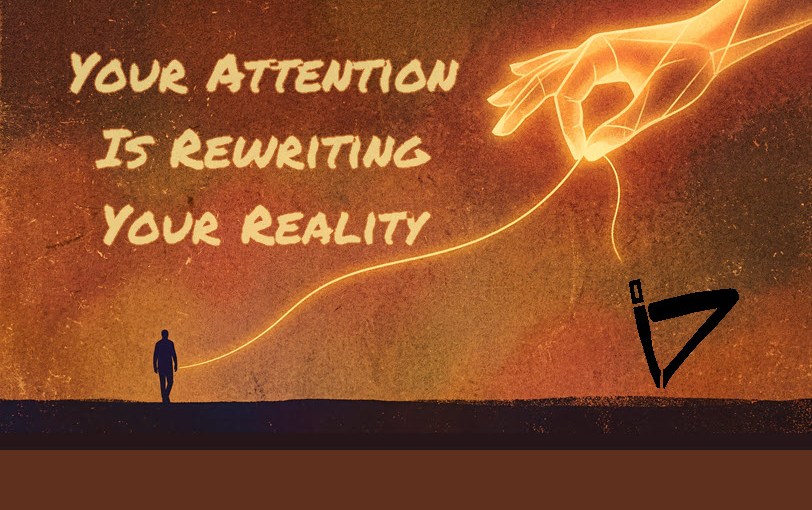

Your Brain Is Curating Your World

Synchronized Synchronicity (Or Maybe Just Paying Attention)
Today is Cinco de Mayo:
A holiday many United States of Americans treat like Mexico’s Independence Day.

Cinco de Mayo. or, what it really is “5th of March.”

It marks a single battle in 1862, but here in the U.S., it’s been repackaged into something else entirely: a reason to drink.
I’m not drinking right now —
And I’m not sure I ever want to again.

This post is about synchronicity. At times in my life, I perceived this phenomenon in an overzealous or spiritual way. I like the idea of mysterious forces working behind the scenes, and I’m sure that plays a big part in our experience. But I don’t want to delve too deep into that side of this here—not because I don’t believe it, but because I don’t want to waste energy trying to prove something that isn’t provable.

My point here is that we all live in the same universe, and that universe is connected to itself. As much as we would like to perceive ourselves as individual participants in the ecosystem, the truth is that through our surroundings, we are all connected to each other.

What got me thinking about this was a series of events that happened to me over the past month. Actually, all of it happened in the last week.

Let me start by just saying my family loves to go to Babler State Park, just southwest of St. Louis city in Missouri. We go there at least a few times a year.

I’ve gotten fully involved in my local chapter of ATD. (That is the Association of Talent Development in St. Louis.) The local chapter has been very supportive of my trying to grow as a professional into being a better instructional designer and training facilitator. The relationship has grown to the point where I’m now serving on the board as the Director of Educational Technology. Being on the board means that I know a lot more about what’s going on and what’s being offered by the chapter.

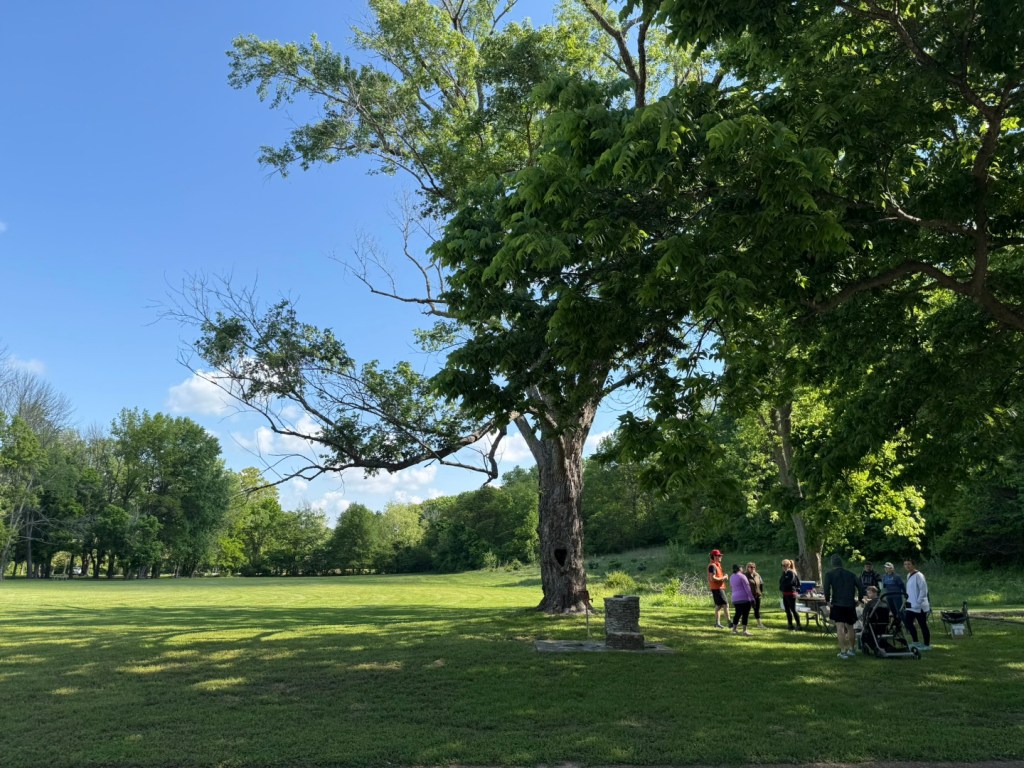
ALT="Wide Angle of ATD members standing under tree at Babler State Park."

So when something came up about networking in nature, I raised my hand right away and said I’m there, whatever you need me to do. I think there were some discussions about what parks we all liked in the area, so I probably mentioned that I like Castlewood, Babler, and Creve Coeur Park. So this event ended up happening in Babler.

As we were preparing for the event, I was talking with Sarah Garner, who is organizing the whole thing, and I was joking with her. I said, I’m going on a field trip next week—guess where it is? It’s at Babler. She responded with a 😆.

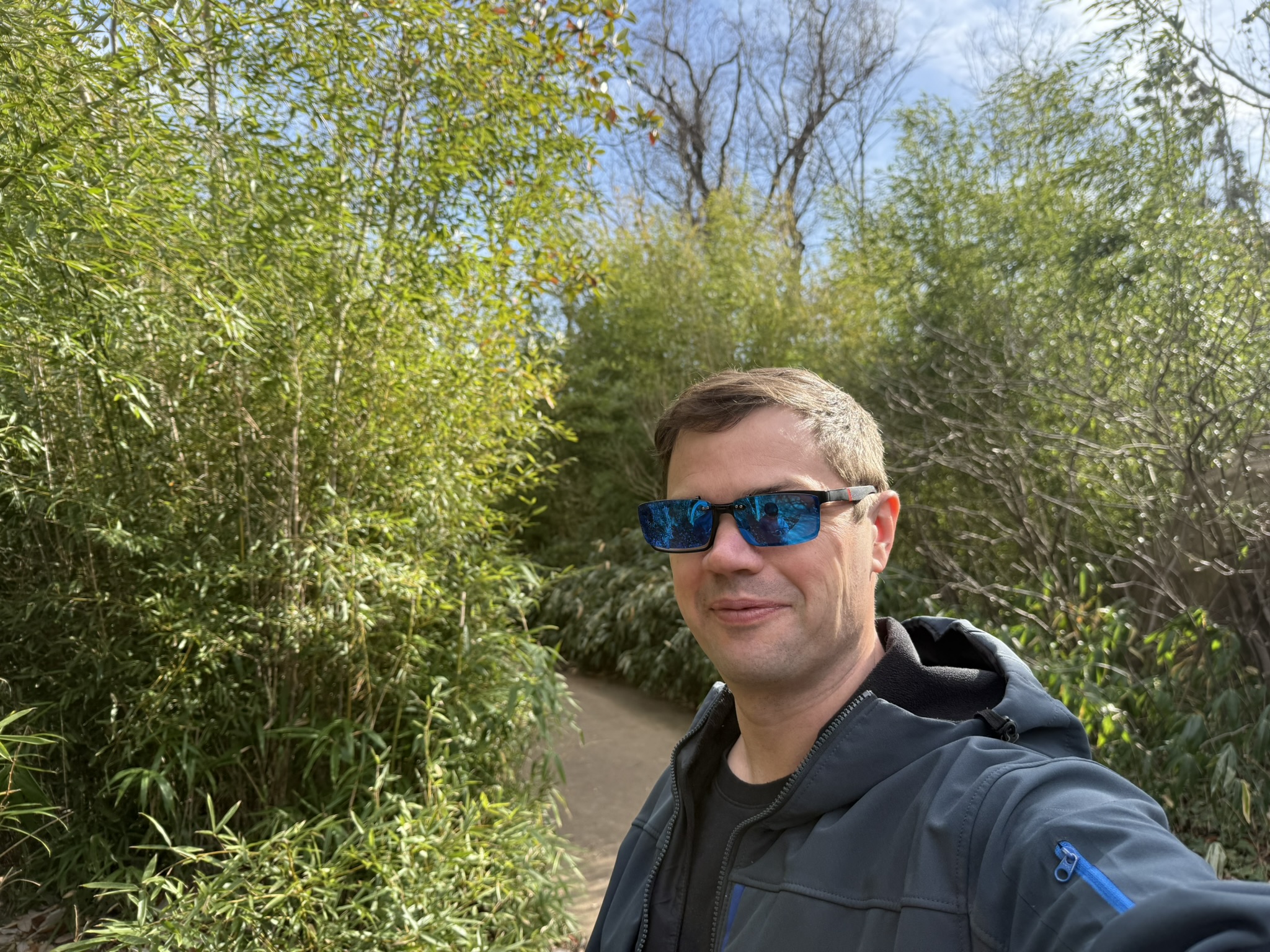
So I went to that event last week at Babler, and our meeting spot was right next to the pavilion that our family always goes to.

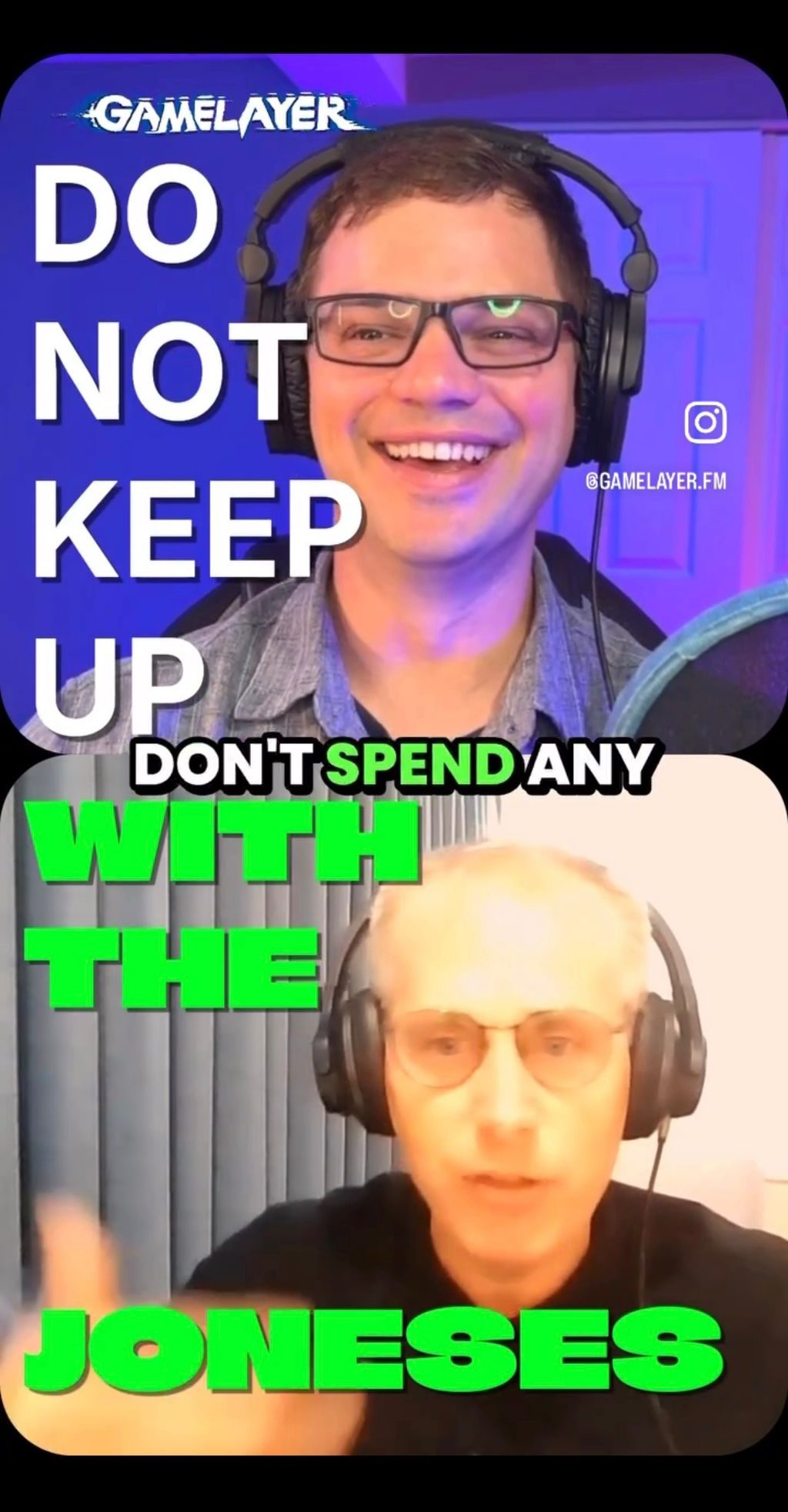
Then, a couple of days later, I was recording a podcast with Dave Smiderle – from Burlington, Ontario, Canada; and since this is GameLayer, we were talking about games and learning. Out of the blue, Dave brought up geocaching. Where you use GPS to find specific coordinates on a map. Someone leaves you a treasure, you fill out the log, put in a new treasure, and then continue on your hike.

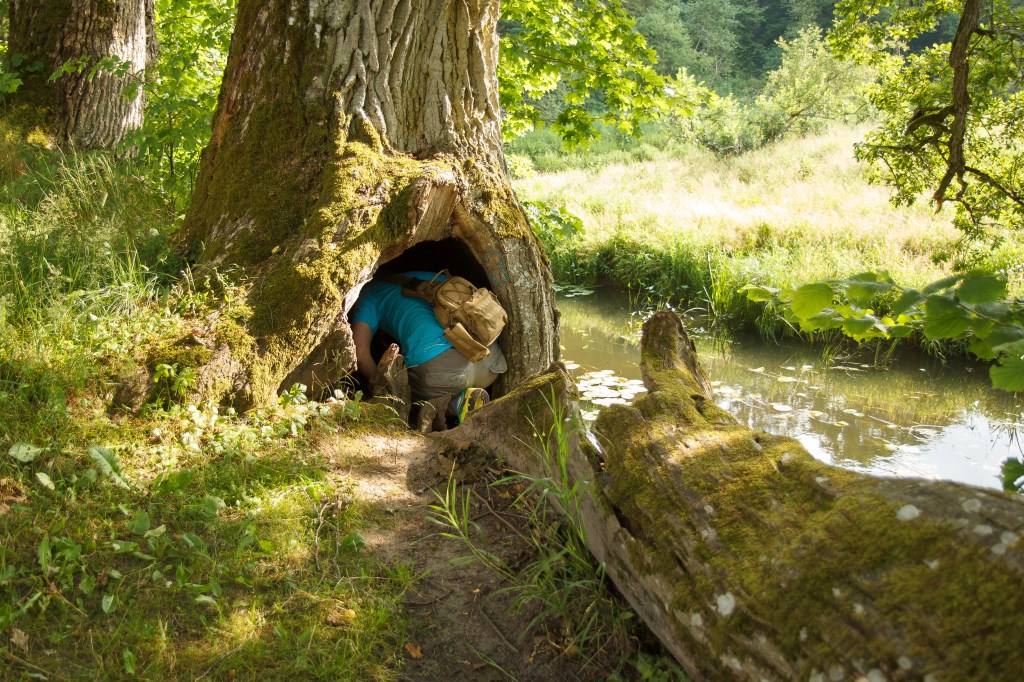
Geocaching, a man looking for a hide in a wooden cavity
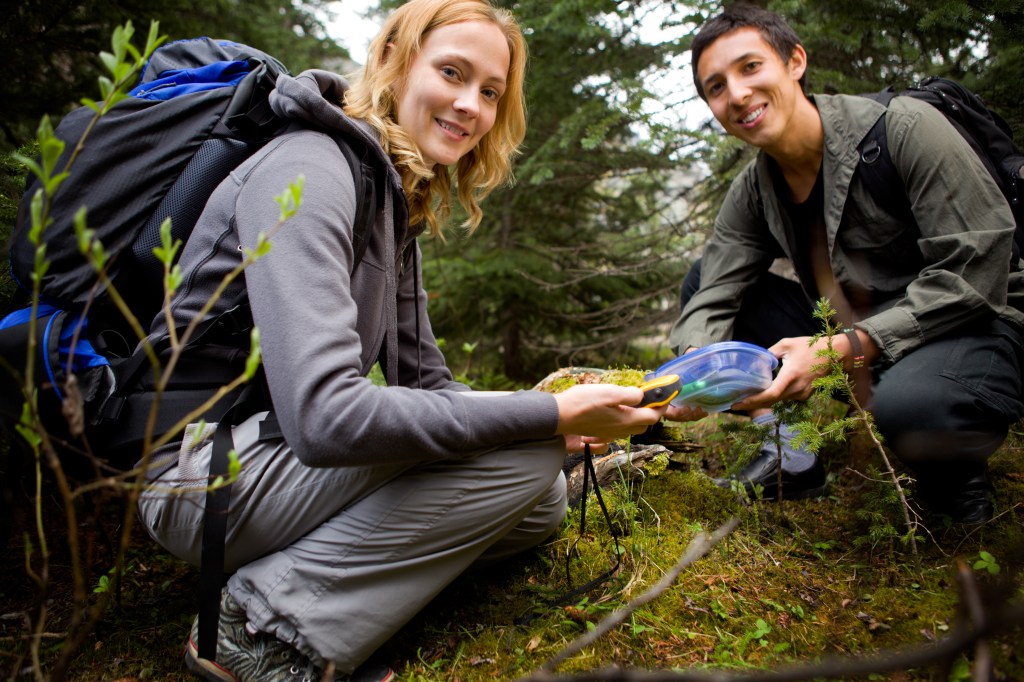
Two people finding a geocache in the forest. Shallow depth of field with sharp focus on woman.

I mentioned to Dave S. that I’ve heard about geocaching from some art friends in college who loved the adventure of the whole thing.

That episode is dropping soon, and you can hear more about it there.

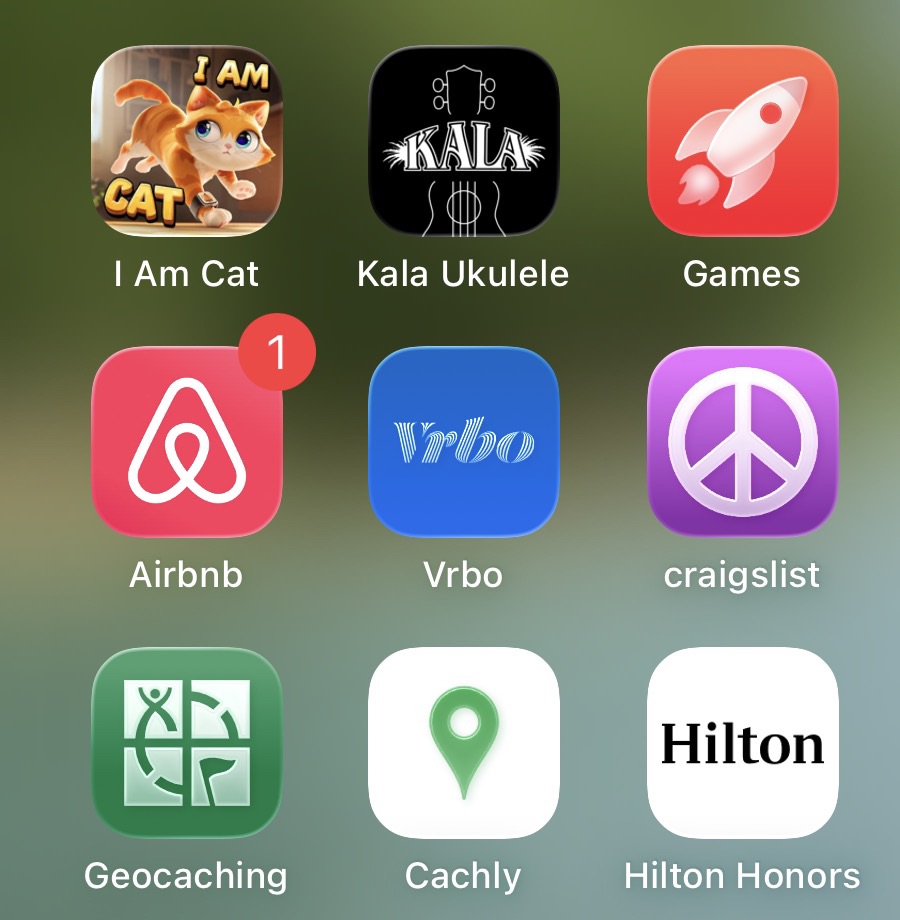
Just yesterday, I received a text message on an app called ClassDojo from my child’s teacher. She shared that we will be traveling to Babler State Park and partaking in a geocaching activity. Now, in my inner self, I sensed the synchronicity of everything that was happening in my life. In the podcast with Dave, I expressed a deep interest in getting into geocaching, and I meant it. And it feels to me like my sincere interest is what caused the activity at the field trip I’ll be at next Thursday to be geocaching.

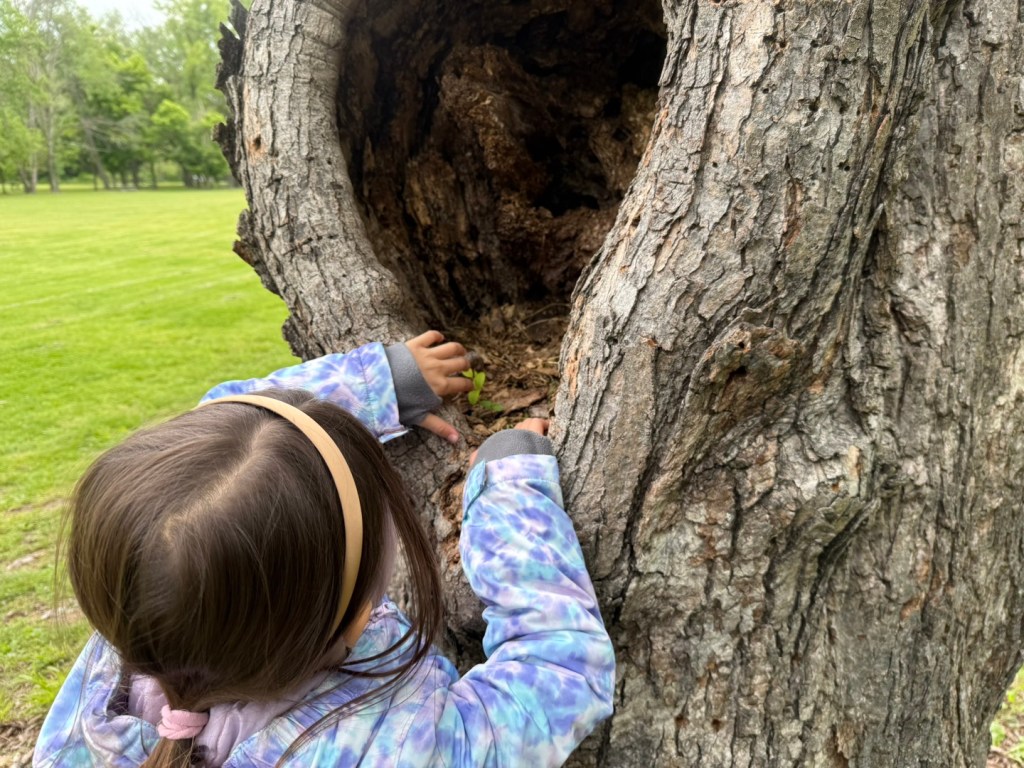
ALT="Picture of a young girl exploring the hollow inside a tree."

One could easily argue that I’m making this all up, and I think that is a perfectly rational stance. Here’s why: now I’ve been talking about geocaching more, and a colleague at work named Karen said, “Oh, geocaching—I used to do that with my kids.” Now I’m learning more about the process from her. I’m not arguing that there’s some underground magic happening behind the scenes.

It’s coming up more because I’m thinking about it and talking about it more. …right?

So, what’s my point in all of this, you ask?

My point here is that if you seek something out and set your intention on something, then that thing will find you. Half because you’re looking for it, and half just because you notice it more. It might be a bit of a stretch to argue that the universe is going to rearrange itself around your intentions and desires, but after a while, it really does sort of feel like that.

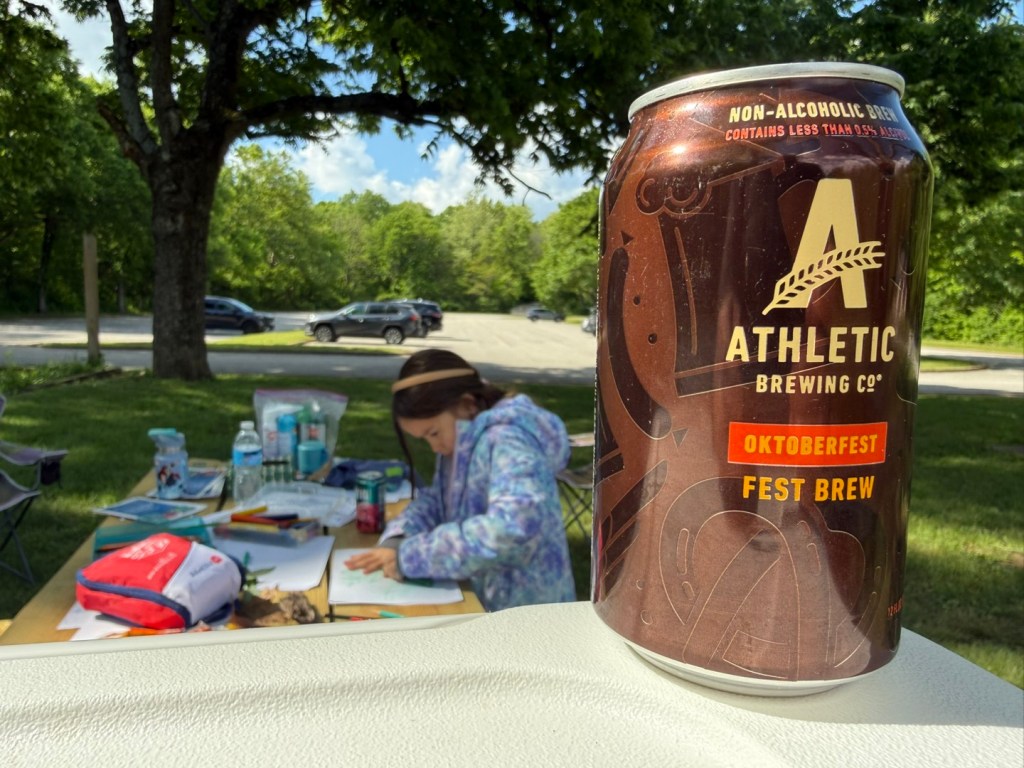
Let me tie it back into drinking—or not drinking alcohol—Or drinking NA—for Cinco de Mayo. While I was at Babler State Park for the ATD networking-in-nature event, I looked in the cooler and saw my favorite non-alcoholic (NA) beer. It is Athletic. It’s a beer that’s brewed to be nonalcoholic. They are NOT trying to reproduce some other famous beers without the alcohol.

This results in an incredibly delicious beer-like beverage, which just happens to not have alcohol in it. If I hadn’t made the conscious decision over the last couple of years to cut alcohol out of my life, I wouldn’t have known about this beer, and it wouldn’t have been a noticable.

alt="Picture of Athletic beer at Babler State Park"

But because I have done that, and because I’ve grown very fond of Athletic brand beer, I brought it up and asked Sarah if she brought that. She said, “I’m an advocate!”

I called out, “Me too!” over the picnic table, and several people looked at us, getting excited about some beer that doesn’t even have alcohol in it. Now, these people are probably concerned about my mental well-being, and that’s fair from their vantage point.

The fact of the matter remains: if you start to pursue a certain thought, object, or culture, then those thoughts, those objects, and that culture will start to seek you out as well. Why is that? Because the entire universe really is a single item. It is all connected, and the flap of a butterfly’s wing can cause a wind that in turn leads to a series of events that topple a mountain.

If you’ve made it this far, then I implore you: the next time something seems to find you, let yourself believe that magic is real. Just trust for a minute that the universe itself is consciously providing you with what you desire. Give it a shot—not because it is an entirely provable thought process, but because it enriches your experiences and provides meaning beyond language. And from my perspective, enriching experiences are all that matter.

It very well may not be the case that the universe is out to conspire for or against you. …But I know one thing to be true: human perception is always colored by our previous experience, and when things don’t make sense, the human mind fills in the gaps without us even knowing. Our perception of the world is provably inaccurate. Also, the human mind is an infinitely creative machine, and it feeds on what you give it. So be mindful of what you’re feeding it, because it literally shapes your perception of the world around you. And in turn, your perception recreates the world you live in.

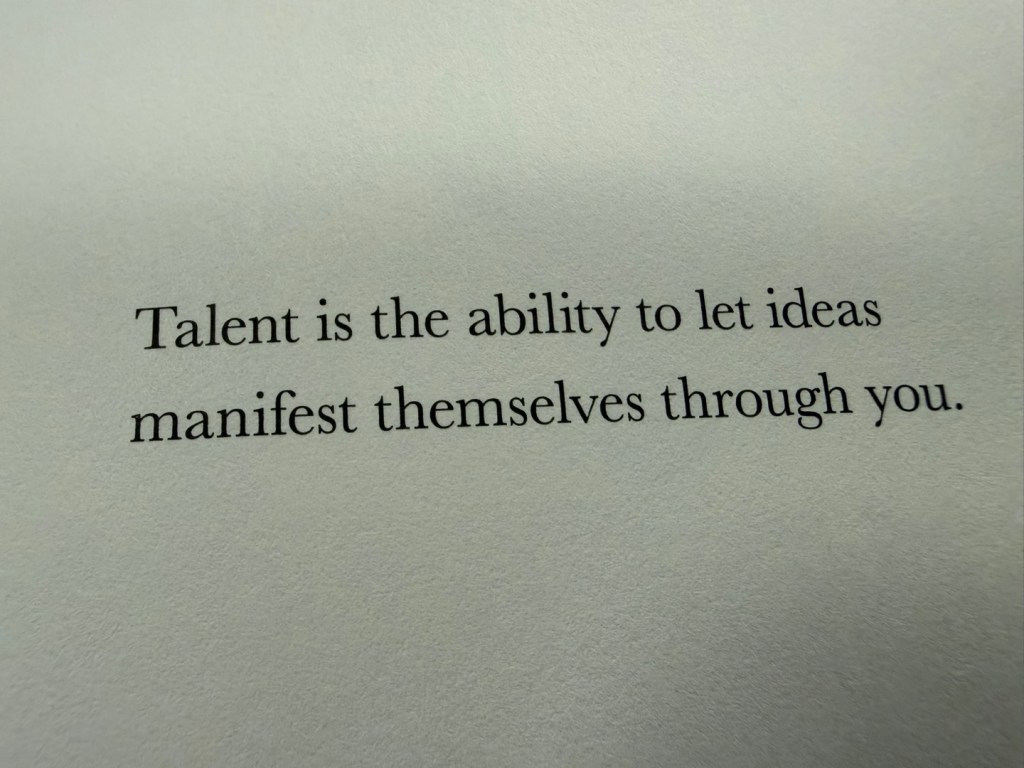
ALT="Quote from Rick Rubin"

~ Rick Ruben

Finding Your Tribe by Embracing Differences

Learning who your tribe isn’t can be just as valuable as learning who it is.

In my last post, I wrote about choosing yourself. I intended to go deeper into personal identity and the idea of pursuing multiple ideas to see which ones “choose you back,” but I didn’t quite get there. Those are threads I’ll come back to.

For now, I want to explore a related concept: focusing on the 33% of your audience who truly resonate with you.

That recent post was inspired by the song “Choose Yourself“.

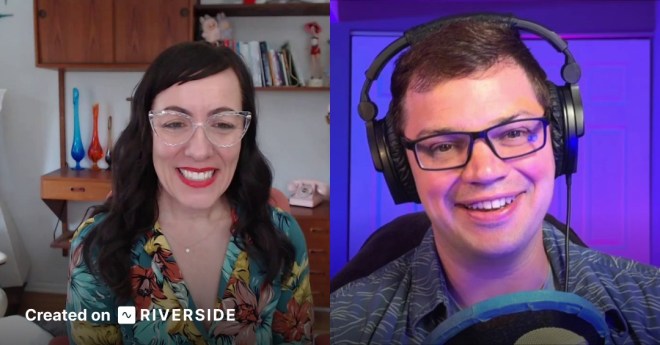
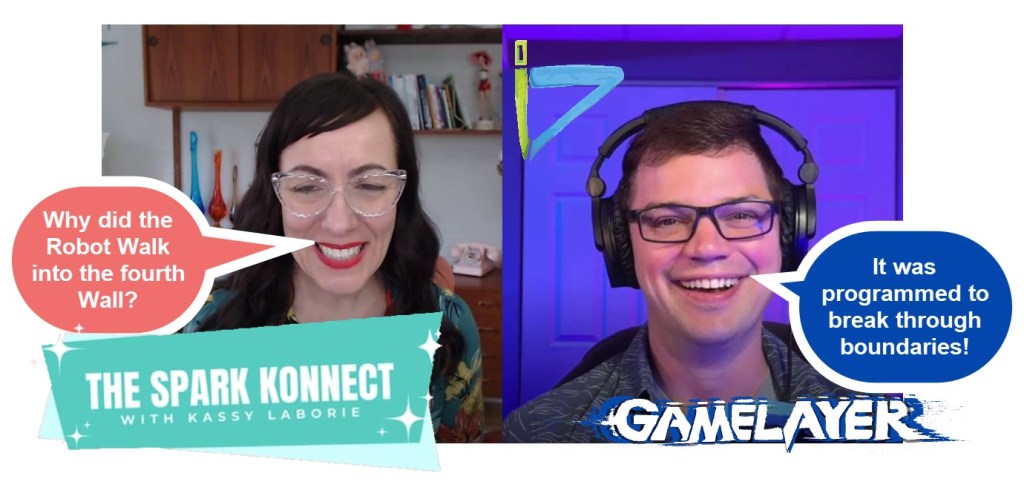
This post was inspired by a recent podcast conversation with my friend Kassy LaBorie that will drop this week on The Spark Konnect – Podcast.

I’ve written about Kassy before—she wears red pants as a bold expression of her personality. (I’ve also written about occasionally wearing blue pants myself.) These small choices act as signals of identity.

Kassy shared something interesting with me. The guest she had on before our episode was nothing like either of us. The guest was bold, outspoken, highly analytical, competitively athletic, and focused professionally on detecting deception through body language.

Her energy didn’t match Kassy’s at all. Kassy was candid—she found the interview difficult. So much so that she questioned whether she should publish it at all.

I argued that she should, and I want to explain why.

Let me go back to where this idea started for me.

In high school, I had an uncomfortable realization: if I truly valued thoughtful conversation—Socratic debate, the kind that leads to truth—then I would have to engage with people I didn’t agree with… or even like.

That’s not easy.

It requires accepting that your worldview might not be perfect. And that’s uncomfortable for anyone.

At a recent tour of an electrical manufacturing plant, the presenter said the equipment was not electrified. As a person of learning, I had to test his hypothesis.

Now fast forward to today, where many of us are creating content—podcasts, blogs, conversations—with friends, acquaintances, or even strangers. Some we agree with, some we partially understand, and some we fundamentally disagree with.

That spectrum matters.

If I only interview people who think, talk, and act like me, I’m doing a disservice to my audience.

If everyone on the Game Layer Podcast metaphorically “wears blue pants,” then the idea of blue pants as individuality loses meaning. It becomes uniform. It fades into sameness.

Truth doesn’t emerge from agreement—it emerges from challenge.

We grow by engaging with people who think differently. Not just people who prefer a different brand of peanut butter, but people whose perspectives fundamentally challenge our beliefs.

Of course, there’s a valid concern: what if the differences are too great?

What if someone’s worldview feels incompatible with your own?

That’s worth considering.

Maybe Kassy’s previous guest lives in a world neither of us would choose to inhabit. That’s okay. We can decide what we allow into our lives.

But even then, there’s still value.

We can learn from people we don’t understand. From people we don’t like. From people we don’t want to become.

Exposure expands our understanding of the human experience.

I experienced this firsthand in a podcast micro-episode I recorded a few months ago.
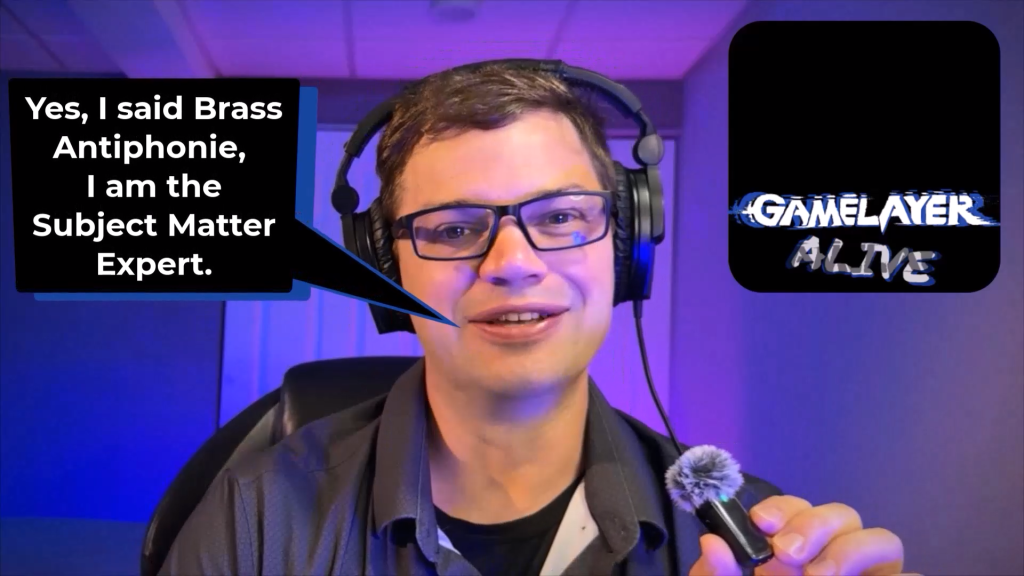
I do a show on Game Learning and Creativity called GAMELAYER.

I spoke with someone whose industry doesn’t allow time for creativity or game-based learning. He said it plainly: he doesn’t have time for that.

Instead of pushing back, I listened.

Really listened.

By the end of the conversation, I found myself agreeing with him—even though his perspective challenged the core theme of my podcast: that life and work should include joy, creativity, and play.

So how can both be true?

My goal is to be in an environment where my creative strengths are used. That’s how I thrive.

People who thrive in that same way—those are my people.

But that doesn’t mean everyone needs to think like me. …and it definitely doesn’t mean every guest on my podcast should agree with my perspective.

In fact, the opposite is true. The show becomes stronger when it includes voices that challenge the premise.

New Office DIGS!

Because those are the same challenges these ideas will face in the real world.

When I listened to Kassy’s episode, I noticed something important.

She didn’t shut down.

She stayed open.

She listened to the perspective, asked questions, and acknowledged that the conversation stretched her—and would likely stretch her audience too.

That’s exactly the point.

Why did both of us approach it this way?

Part of it comes from our backgrounds in theater.

In theatre, listening isn’t passive. You listen with your whole body. You’re not analyzing someone to judge them—you’re trying to feel what they feel and understand their emotional state.

The other part comes from our work as facilitators.

Good facilitators seek first to understand, and then help others understand.

That’s the skill.

You don’t build a meaningful platform by only surrounding yourself with agreement.

You build it by engaging with difference—thoughtfully, intentionally, and with curiosity.

Because the goal isn’t just to find your tribe.

It’s to understand the full landscape of people—especially the ones who challenge you.

Choosing Yourself: A Journey to Personal Empowerment

I don’t Choose Myself…AND that’s been the problem. I’ve spent my life choosing others’ expectations over myself—and I’m done.

Hey, I’m Dave Kolmer, the guy behind Improvement Dave. My word for the year is FOCUS. (Read more here.) Not as a slogan, but as a commitment to refine what matters and clear out what doesn’t. I need to:

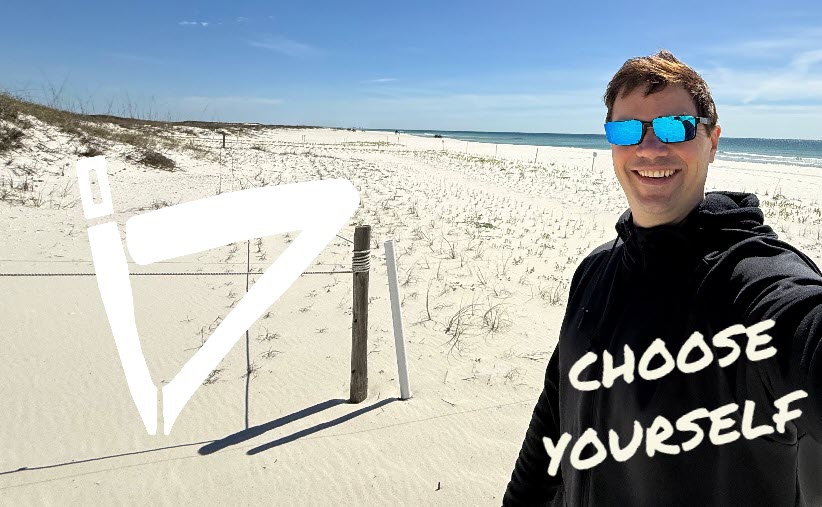
CHOOSE MYSELF …and maybe that is something you need to work on, too.

In this post, I will review a song. This is a song that I heard several years ago while doing yard work. The first time I heard this song, I stopped what I was doing, and I listened to it again. Then I saved it and sent it to myself.

  • I told myself I would blog about it, but then I didn’t write the post.
  • I told myself it didn’t fit my word of the year yet, so I set it aside.

The truth? This song scared me. I felt it too deeply.
I started to feel like I would write this post when I was ready.

Ready for What?

To be ready to choose myself above other people. Something I don’t let myself do. I do not choose myself above other people because:

I am afraid others will perceive me as vain or arrogant.

The Song

Listen here:

Bandcamp: starslingeruk.bandcamp.com/track/choose-yourself
YouTube: https://youtu.be/dmedDwvmTK0?si=JrTypRAxHdr2ADer

I planned to paste the lyrics and react in classic Improvement Dave fashion, but you can read or listen to them yourself. Instead, I’m taking the heart of the song and responding more directly. I’m a creative person—something I once claimed proudly, then quietly traded for stability and responsibility. Therapy has made it impossible to ignore what that trade cost me.

I still need to create to be happy.

I still feel the daily pull to make things, which is why this song hits so hard. I’ve seen firsthand that about 30% of people love my work, 30% hate it, and 30% never notice—so my focus now is on serving the ones who care. And if you are reading this, then that is you.

While the idea of living without purpose sounds dreamy, it feels unrealistic; we all have responsibilities and that ever‑present pressure to do the things we’d rather avoid.

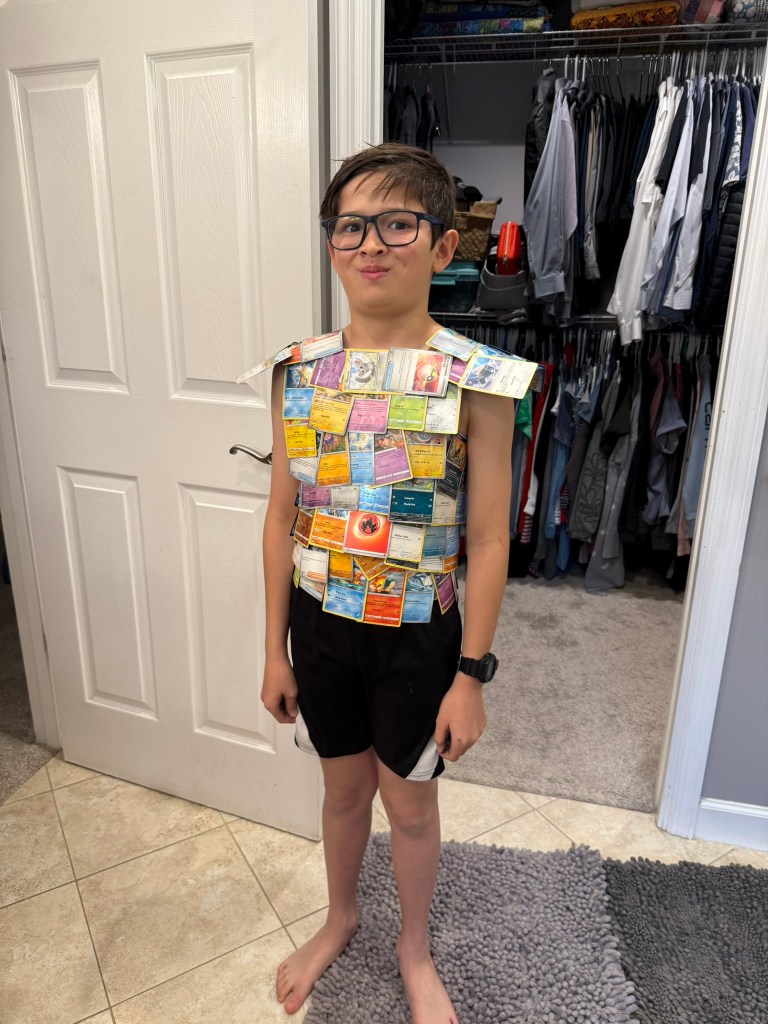
[You can see one of my biggest responsibilities to the right. My need to create has rubbed off on my son. He had a grouping of Pokémon cards he didn’t think were “rare,” so he made a shirt of them.]

I asked if I could post this online, and he said, “Sure, ” without a second thought… I could learn a thing or two from his confidence.

30% or 33.3%?

I still feel the daily pull to make things, which is why this song hits so hard. I’ve seen firsthand that about 30% of people love my work, 30% hate it, and 30% never notice—so my focus now is on serving the ones who care. And while the idea of living without purpose sounds dreamy, it feels unrealistic; we all have responsibilities and that ever‑present pressure to do the things we’d rather avoid.

I traded creativity for stability.

Maybe you’re doing the thing you have to do, not the thing you want to do. I enjoy my career, but some parts hit that familiar knot in my stomach—the fear that comes with admitting I might want something different. It’s like stepping onto a narrow bridge over a pit you’d rather not look into.

WHAT IF

I FAIL?

The answer to this is we never fail. We either hit the nail square on the head or we find a moment of learning. It is a Win (+) or a Delta (Δ).

This quote from the song is liberating to me. It is freeing because I live with analysis paralysis on the daily.

I have lots of ideas, how do I pick the right one?
Execute on as many as possible.
The right idea will pick you.

There’s a theme running through several books I’ve read this year—Big Magic by Elizabeth Gilbert and The Creative Act by Rick Rubin. They suggest that ideas float around in the ether, waiting for someone ready to receive them. Sometimes they show up before we’re prepared; other times we’re ready but unwilling, and the idea moves on to someone who is.

I’ve brought a lot of ideas to life on this blog, but lately I’ve slowed down. I tell myself it’s because of my work on Gamelayer.fm, but that’s just an excuse. I should be using this space to support the podcast, and I haven’t followed through the way I intended.

I can quote the ending of the song out of order for once:


Ultimately, mastery is about connecting the dots of many fields.”


IF we don’t let the mind drift and sit on the side of the road in quiet meditation, observing the thoughts pass. THEN we will never have a creative thought that is ours and ours alone. This is the great paradox of meditation. We are not quieting the mind; we are training the mind.

Master of All Trades

Going back to the song in the order of appearance…

We are:

“…taught at an early age that we are not good enough.

Organized education. School is supposed to prepare us for life, but mostly it just trains us to succeed at school. As Thomas J. Stanley argues in The Millionaire Mind, real success isn’t about grades or pedigree—it’s about the strength of your idea and the grit to make it happen.

Get paid, get laid, lose weight.”

This is that old formula for chasing external validation. But choosing yourself means flipping that script. It’s not about pleasing others or mastering the right test answers; it’s about backing your own ideas and valuing your own voice. Success comes from knowing what you want, standing behind it, and moving with the kind of confidence that makes others follow your lead.

One candle can light a thousand other candles
And still remain lit itself.
Be that candle.

You can earn money from others, but when you offer something real, and they value it, it isn’t taking — it’s exchanging light. That image reminds me of spiritual practice: one candle lighting another, each flame standing on its own.

Lights from the candle lit at night around the church of Buddhist in Thailand
By somchairakin
By somchairakin

The same goes for us. My wife says, “Don’t compare yourself to other people,” and she’s right. Choosing yourself means running your own race, slowing down when you need to, listening to your breath, and taking care of the body and mind you actually live in.

Silence

Mind focused, silence speaks volumes.

Out of silence comes the greatest creativity
Not when we are rushing and panicking.

Choosing yourself means honoring that silence, stepping out of the race that was never yours to run. Don’t trade your health or your mind for money, status, or a title. Golden handcuffs still sink you, and losing yourself is too high a price. When you choose others’ expectations over your own life, you drown long before you notice you’ve gone under.

So here it is

I’m choosing myself. I am making myself write the post,
This post, the one I feared I could never write…

You should, too.

Because…

What do you think? Does this resonate with you?
What is a small change you can make today to start Choosing Yourself?

Work Cited

Altucher, J. (2013). Choose Yourself!: Be Happy, Make Millions, Live the Dream. Choose Yourself Media.

Ellenberg, J. (2014). How not to be wrong: The power of mathematical thinking. Penguin Press.

Stanley, T. J. (2000). The millionaire mind. Andrews McMeel Publishing.

Starslinger (2019). Choose Yourself [Song].

Did you like this article? Then you might LOVE the GAMELAYER Podcast.

Why Focus is My Word of the Year

Every year, I pick a word. The first one was at the end of 2022; I picked “honesty” retroactively. Because I wasn’t really being honest with myself about my personal and professional development. As I continue using these words, I’m realizing that both of those forms of development help each other. It’s a symbiotic relationship. When I develop myself professionally, my personal life benefits and vice versa.

You can review previous posts that I created in January to read up on my path. Others were “Consistency“, “Integrated“, and last year was “Novelty“. This year I will Focus.

I’ve got to the point where I realize that I’m not choosing these words. It’s not really accurate to say that these words choose me, either. Seeing as they’re just a verbal representation of ideas. It’s more like the ideas have found me, and I’m allowing them to shape me. (If you can subscribe to the ideas of Elizabeth Gilbert and Rick Rubin; that ideas exist separately from the humans that find them.)

Last year, I spent time remaining mostly sober and seeking out novelty. Novelty is about saying yes to experiences, seeking out new opportunities, and doing as much as you can. Then those experiences leave impressions or memories on your mental timeline. This, in turn, expands your perception of time. Since time is a construct of the mind anyway, our perception of it is all that matters. Broadening our experiences in the name of making our lives feel longer may be the closest thing we will ever get to time travel.🧘

I: spoke at conferences, pretended I started my own conference, started a podcast, recorded live podcasts, continued certifications in Game Learning, and developed a card game about my industry… …all while spending time with my family, updating a rental propery and learning how to play Pokémon Go.

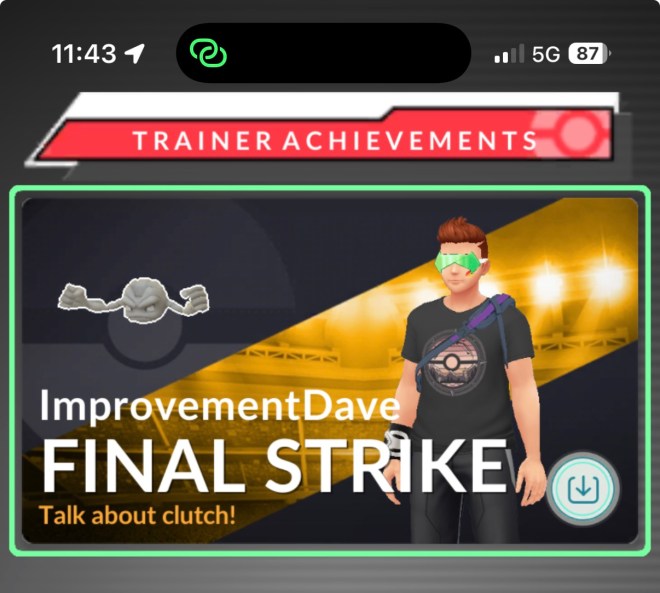
Screenshot

You can read my post from 2025 if you want to learn about novelty.

I have noticed my “words of the year” tend to expand and then contract. Go out, try new things, and then reel it back in. Like an ebb and flow, like an inhale in an exhale. Like contrasting values to create a physical form on a two-dimensional surface.

Novelty was about expanding, saying yes to new things, whereas Focus is about contracting. I selected focus, and then the word opportunity came to me; something about that didn’t feel right. Having a year of novelty and then a year of seeking out opportunity. Somehow it seemed to distort the balance like a double yin and not enough yang.

I need more focus. I need to focus more on what really matters. Spending time with my kids while they are still young and still need me. I need to focus on opportunities that provide a return. In this way, it’s all connected anyway, but this is a better way to frame it.

Was it not enough that my wife shared, “You need to focus, David.”

My mom also said, “You are always running somewhere lately. You are always in a hurry.”

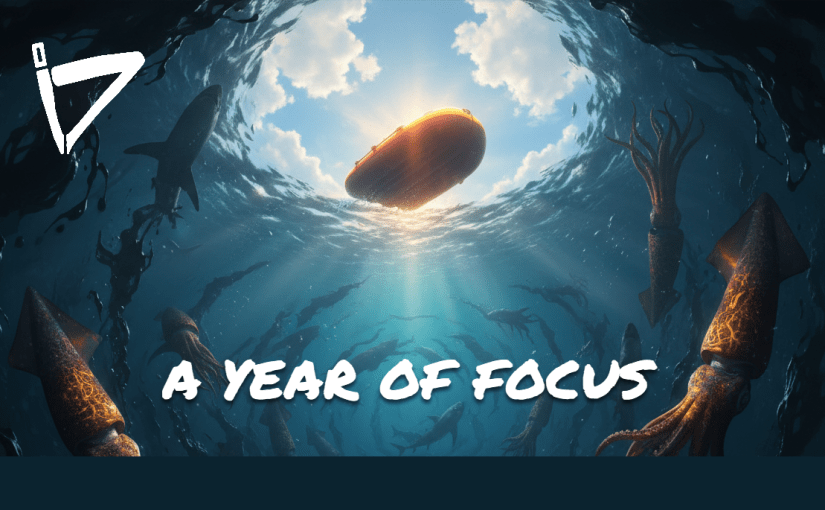
That’s not like me. That’s not how I naturally am. The year of Novelty turned me into a scattered runner. Trying to do more novel things, and I need to round that off. This morning I had a realization after an early set of yoga with some black coffee. I had a good feeling, and it came to me as a visual… I tried to recreate it with Adobe Firefly, and it isn’t half bad…

A yellow raft floats in a dark oily water filled with sharks and squid. It floats effortlessly below the clear blue sky with puffy white clouds.

This morning, I had a realization. This place I am visualizing has a certain mental buoyancy. You effortlessly float above all the sludge. All the worry, all the dread, all the ignorance, and all the drunkenness. Like a small raft floating over an ocean of beasts, poison, and misdirection. Not hydroplaning over the ocean, and not sinking either. Between the layer of dark oily liquids and the thick air, hovering, balanced.

I was listening to the first episode of 10% happier, the podcast by Dan Harris. He had his master instructor, Joseph Goldstein, on the show. They were talking about a new book. They’re writing where they’re using. Dr. Goldstein‘s catch phrases on how to be better at meditating… things like “When you are sitting, realize you are sitting.” Or “Just try again, just keep trying.” Or “Mara, I see you.” Mara here being the embodiment or physical representation of ignorance or temptation.

The part of the discussion that really stood out to me was absolutely fundamental. The idea of being both relaxed and aware. That really is the goal of meditation, isn’t it? It’s the goal of all religions. If you’re too relaxed to get all spaced out. If you’re too aware, you start to get too deep and start worrying about things. Things that don’t matter or that you can’t control. It is obvious, and it is easier said than done.

I wanted to find a single word that represented both of these things: being relaxed and aware. I’m not 100% certain that when I went back to the word, focus, I hit the mark. I do feel it fits the bill. I really don’t feel like I’m forcing a square peg into a round hole. Feels more like I loosely inserted a round peg into a square hole. It fits, but there’s some empty space around it. It doesn’t wiggle, there’s still room for improvement, and if you’ve read any of my stuff you kind of know that that’s my thang.

Can I Handel the Truth from Chat GPT?

A friend of mine, Lisa, recently made a post where she asked ChatGPT to roast her year.

At first glance, it made me pause. It’s easy to wonder why someone would willingly invite criticism—especially in a professional space like LinkedIn, where we’re often curating a highlight reel of wins, confidence, and forward momentum. Why choose vulnerability when Polish feels safer?

I think about this tension a lot.

On one side, we’re taught—explicitly and implicitly—that confidence is currency. Confidence communicates competence. It signals decisiveness. It reassures others that you know what you’re doing and that you’re someone worth following. In many professional environments, confidence is treated as a prerequisite for leadership.

And yet, there’s a paradox hiding in plain sight.

The most grounded, durable confidence doesn’t come from pretending we’re flawless. It comes from being comfortable with vulnerability.

True confidence allows room for honesty. Vulnerability requires admitting shortcomings—sometimes publicly. That can feel risky, especially when your professional reputation feels like it’s always on display.

But here’s the learning that keeps resurfacing for me:
Confidence and vulnerability are not opposites. They’re partners.

Walking, after all, is just a controlled state of falling. Learning works the same way. Growth is a controlled state of failure.

When we fail safely—with reflection, intention, and humility—we create the conditions for real professional development. We experiment. We stretch. We discover what doesn’t work so we can find what does.

And when some of us choose to do that learning out loud, something powerful happens.

We don’t just grow ourselves—we create permission for others to grow too. We normalize learning. We model courage. We quietly say, You don’t have to have it all figured out to be worthy of progress.

That’s why Lisa’s post stuck with me. And it’s why I decided to do it too.

I asked for the roast.
And yes—I posted it on LinkedIn.

Not because I enjoy discomfort, but because I believe leadership is less about appearing perfect and more about serving others through honesty, learning, and example.

Professional development doesn’t require you to abandon who you are. In fact, the best growth happens when you stay grounded in your values while stretching your capabilities. Here’s a four-step approach I’ve found helpful.

1. Anchor Yourself in Honesty

Growth starts with an accurate view of reality. Be honest with yourself about what’s working and what isn’t. This isn’t self-criticism—it’s self-awareness. Leaders who serve others well begin by telling themselves the truth.

Ask: What am I avoiding because it’s uncomfortable to admit?

2. Choose a Growth Mindset Over Image Management

When protecting your image becomes the goal, learning slows down. A growth mindset shifts the question from “How do I look?” to “What am I learning?” Failure becomes data, not a verdict.

Progress beats polish—every time.

3. Be Brave Enough to Be Vulnerable (Strategically)

Vulnerability doesn’t mean oversharing. It means sharing with purpose. When you talk about struggles in the context of learning, you build trust and credibility. You show others that growth is possible—and ongoing.

Courage isn’t the absence of fear; it’s acting in alignment with your values despite it.

4. Lead Through Service, Not Perfection

Servant leadership is rooted in helping others grow, succeed, and feel seen. When you model learning in public, you remove pressure from others to be flawless. You create psychological safety—and that’s where teams, organizations, and individuals thrive.

Leadership isn’t about standing above others. It’s about creating space for them to rise.

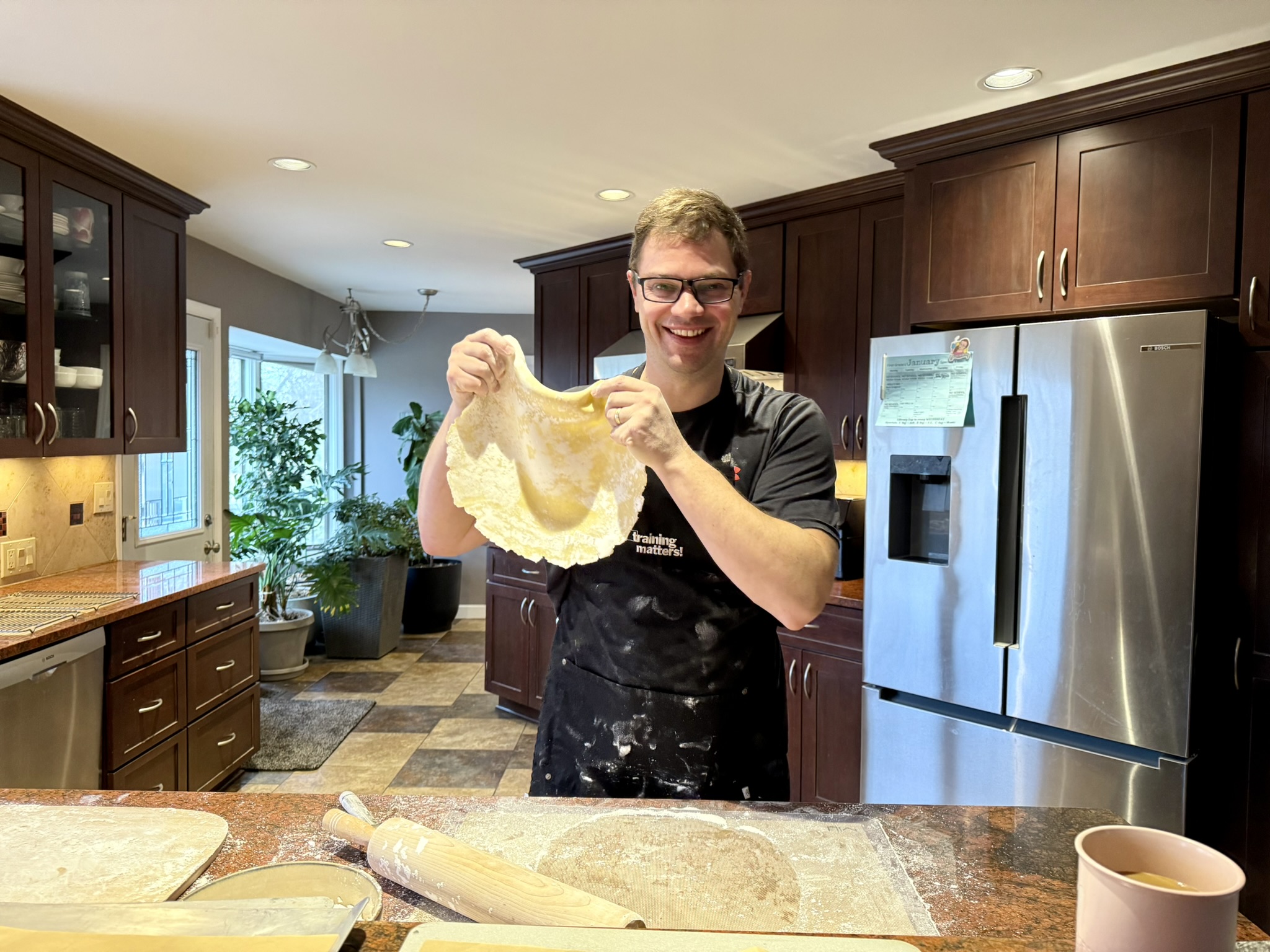
When I created my roast I used the same thread or discussion I used to shape up the Linked In Post I sent to my computer using What’s App. I dictate my writings into my phone while I am making bread or doing dishes or driving. That makes my writing more conversational and fluid. It also makes me more honest.

A Gentle Roast of Dave’s Decision-Making & Habits (2025 Edition)

Dave, your biggest decision-making strength is also your most reliable self-sabotage tool.

You don’t just think deeply—you think iteratively. Relentlessly. You revisit ideas like they’re sourdough starters that might finally be ready this time. You ask for version two. Then shorter. Then punchier. Then warmer. Then more UX. Then more servant leadership. Then “work slowly for accuracy.” Then—somehow—more minimal but also richer.

Your brain does not ship products.
It cultivates ecosystems.

You are incredibly clear on values and hilariously indecisive on final forms. You know exactly what kind of leader you want to be, but you’ll rearrange the deck chairs on a single paragraph for 45 minutes because “the tone isn’t quite there yet.”

Your decision-making pattern in 2025 could be summarized as:

“This is good.
But what if it were truer?”

Which is noble.
And also exhausting.


Your Habits, Lovingly Roasted

• You start excellent things more often than you finish good enough things.
• You treat clarity like a moving target instead of a milestone.
• You have strong opinions about colors, frameworks, leadership, and learning—but need external confirmation before declaring something “done.”
• You are deeply allergic to premature confidence, yet secretly wish you could borrow some without losing integrity.
• You believe in learning in public… but still hesitate before hitting “post,” just in case it could be 10% better.

You don’t procrastinate.
You refine defensively.


Your Relationship With Failure

You talk about failure beautifully. Poetically, even.

You believe learning is a controlled state of failure—
but you still want the safety rails bolted on, color-coded, and peer-reviewed before you fall.

You want to be brave and responsible.
Vulnerable and helpful.
Bold and accurate.

Which means sometimes the riskiest thing you do…
is thinking about the risk a little longer.


The Irony (This Is the Roast’s Core)

You already act like the leader you’re trying to become.

You practice servant leadership.
You center reflection.
You value honesty over polish.

But you occasionally delay impact because you want your intent to be unmistakable.

Here’s the hard truth, delivered with respect:

People don’t need your work to be perfect to be helped by it.
They need it to be real—and released.


Final Roast Line (Affectionate, but True)

Dave, you are not stuck because you lack clarity.
You’re stuck because you have too much integrity to rush and too much care to simplify.

Your next level of leadership won’t come from better thinking.
It will come from deciding sooner, trusting your values, and letting the work be slightly unfinished—on purpose.

Which, ironically, is exactly the lesson you’ve been teaching all year.

Sharing our learning edges won’t be comfortable—and it’s not supposed to be. But when done thoughtfully, it becomes an act of service.

So yes, I did the roast.
And I shared it.

Not because I have all the answers—but because I’m committed to the process. To honesty. To growth. To becoming the kind of leader who learns visibly, serves intentionally, and invites others to climb toward higher ground alongside me.

And if that inspires even one person to be a little braver in their own development, then it’s worth it.

Chat GPT made it…

This is the image I asked CHAT GPT to use to generate the cover image for this post:

It relates to this video…