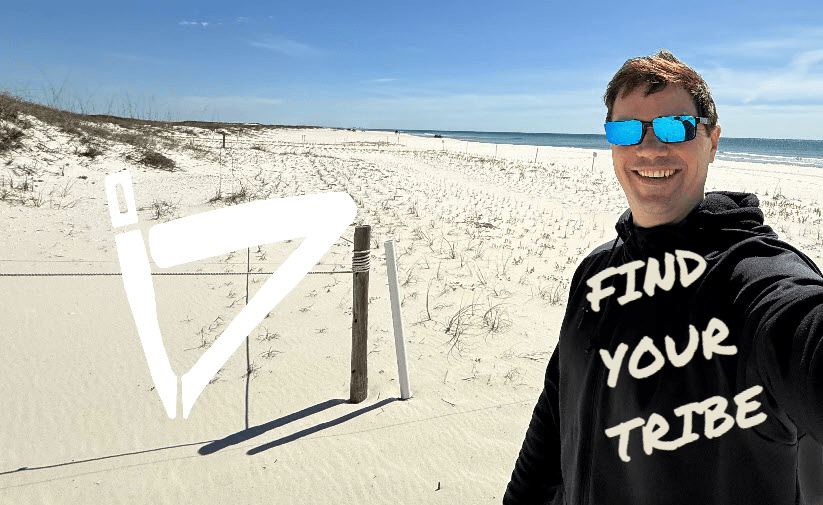
Finding Your Tribe by Embracing Differences

Learning who your tribe isn’t can be just as valuable as learning who it is.

In my last post, I wrote about choosing yourself. I intended to go deeper into personal identity and the idea of pursuing multiple ideas to see which ones “choose you back,” but I didn’t quite get there. Those are threads I’ll come back to.

For now, I want to explore a related concept: focusing on the 33% of your audience who truly resonate with you.

That recent post was inspired by the song “Choose Yourself“.

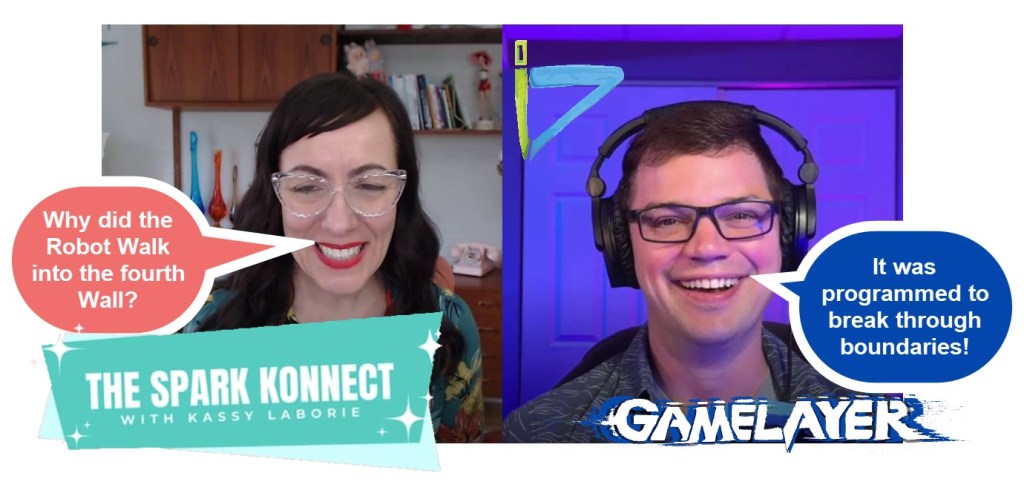
This post was inspired by a recent podcast conversation with my friend Kassy LaBorie that will drop this week on The Spark Konnect – Podcast.

I’ve written about Kassy before—she wears red pants as a bold expression of her personality. (I’ve also written about occasionally wearing blue pants myself.) These small choices act as signals of identity.

Kassy shared something interesting with me. The guest she had on before our episode was nothing like either of us. The guest was bold, outspoken, highly analytical, competitively athletic, and focused professionally on detecting deception through body language.
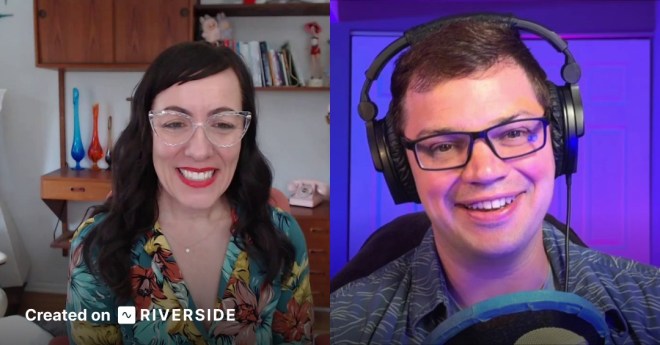
Her energy didn’t match Kassy’s at all. Kassy was candid—she found the interview difficult. So much so that she questioned whether she should publish it at all.

I argued that she should, and I want to explain why.

Let me go back to where this idea started for me.

In high school, I had an uncomfortable realization: if I truly valued thoughtful conversation—Socratic debate, the kind that leads to truth—then I would have to engage with people I didn’t agree with… or even like.

That’s not easy.

It requires accepting that your worldview might not be perfect. And that’s uncomfortable for anyone.
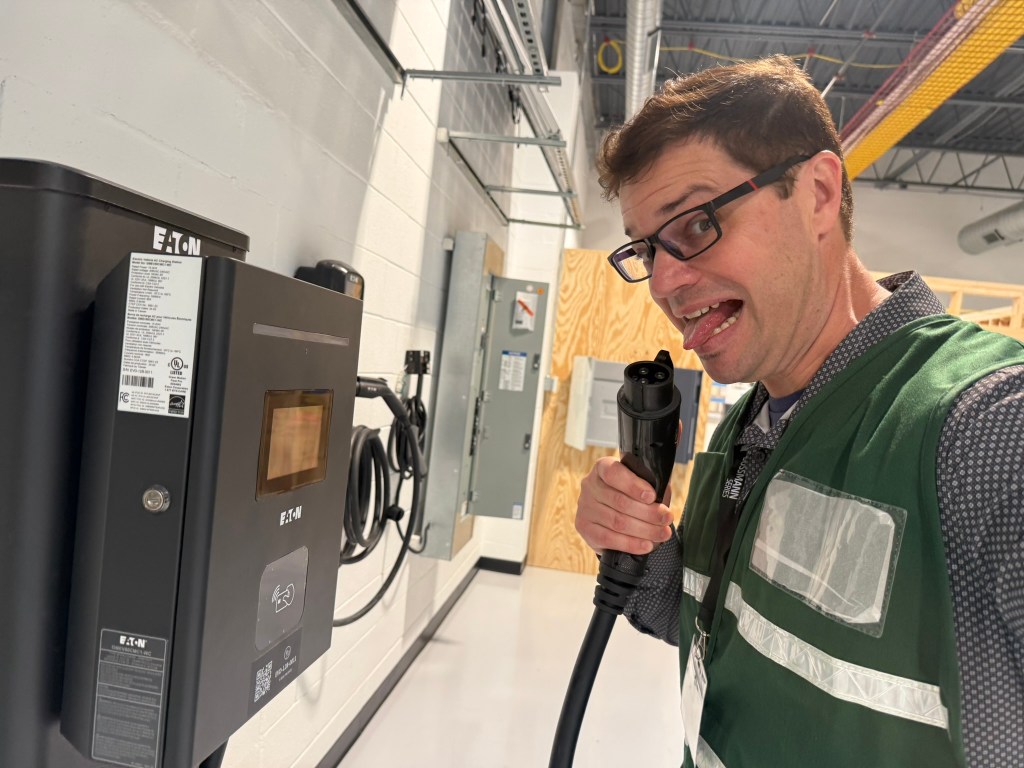
At a recent tour of an electrical manufacturing plant, the presenter said the equipment was not electrified. As a person of learning, I had to test his hypothesis.

Now fast forward to today, where many of us are creating content—podcasts, blogs, conversations—with friends, acquaintances, or even strangers. Some we agree with, some we partially understand, and some we fundamentally disagree with.

That spectrum matters.
If I only interview people who think, talk, and act like me, I’m doing a disservice to my audience.

If everyone on the Game Layer Podcast metaphorically “wears blue pants,” then the idea of blue pants as individuality loses meaning. It becomes uniform. It fades into sameness.

Truth doesn’t emerge from agreement—it emerges from challenge.

We grow by engaging with people who think differently. Not just people who prefer a different brand of peanut butter, but people whose perspectives fundamentally challenge our beliefs.

Of course, there’s a valid concern: what if the differences are too great?

What if someone’s worldview feels incompatible with your own?

That’s worth considering.

Maybe Kassy’s previous guest lives in a world neither of us would choose to inhabit. That’s okay. We can decide what we allow into our lives.

But even then, there’s still value.

We can learn from people we don’t understand. From people we don’t like. From people we don’t want to become.

Exposure expands our understanding of the human experience.

I experienced this firsthand in a podcast micro-episode I recorded a few months ago.
I do a show on Game Learning and Creativity called GAMELAYER.

I spoke with someone whose industry doesn’t allow time for creativity or game-based learning. He said it plainly: he doesn’t have time for that.

Instead of pushing back, I listened.

Really listened.

By the end of the conversation, I found myself agreeing with him—even though his perspective challenged the core theme of my podcast: that life and work should include joy, creativity, and play.

So how can both be true?

My goal is to be in an environment where my creative strengths are used. That’s how I thrive.

People who thrive in that same way—those are my people.

But that doesn’t mean everyone needs to think like me. …and it definitely doesn’t mean every guest on my podcast should agree with my perspective.

In fact, the opposite is true. The show becomes stronger when it includes voices that challenge the premise.
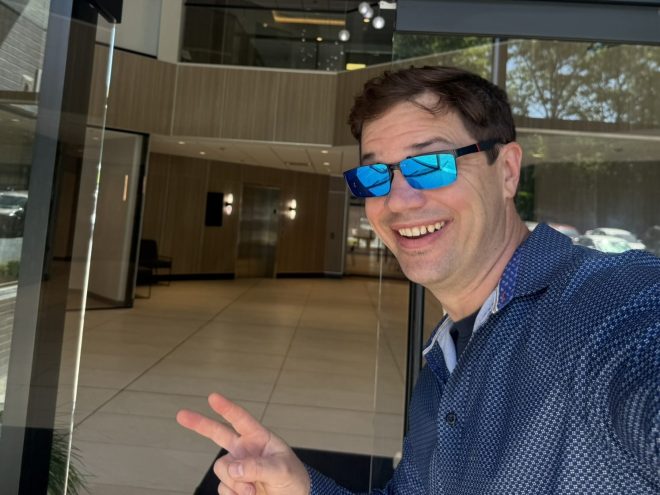
New Office DIGS!

Because those are the same challenges these ideas will face in the real world.

When I listened to Kassy’s episode, I noticed something important.
She didn’t shut down.

She stayed open.

She listened to the perspective, asked questions, and acknowledged that the conversation stretched her—and would likely stretch her audience too.
That’s exactly the point.

Why did both of us approach it this way?

Part of it comes from our backgrounds in theater.

In theatre, listening isn’t passive. You listen with your whole body. You’re not analyzing someone to judge them—you’re trying to feel what they feel and understand their emotional state.

The other part comes from our work as facilitators.

Good facilitators seek first to understand, and then help others understand.

That’s the skill.

You don’t build a meaningful platform by only surrounding yourself with agreement.

You build it by engaging with difference—thoughtfully, intentionally, and with curiosity.

Because the goal isn’t just to find your tribe.

It’s to understand the full landscape of people—especially the ones who challenge you.

CASTIN’ PODS – Step 4: Broadcast

Hosting determines where your podcast lives, but broadcasting determines where people listen. All you do is copy the RSS feed link from your host. Then you can paste it into as many podcast aggregation sites as you want, and they will play your show!

Apps like Apple Podcasts, Pocket Casts, or Amazon Music etc. will offer your show on their platform.

In the image above, the data is sent back to Podbean via RSS feed too.

Spotify will host video, but RSS feeds generally distribute audio only. That’s fine—most podcast listeners expect audio.

If you need to edit an episode after publishing, then upload a new version to your host. The new file will replace the old one across platforms.

Well, you can sit back and relax. Focus on finding your next show topic or person to have on your show.

Get it Out There

Now that you have the show, you can also create some buzz around it. Be sure to mention that you have a Podcast so people know about it. The easiest way to do this is to mention it to potential guests on your show.

REELS

When you use Riverside or Descript, they automatically generate 1-minute reels for you. You can download these and share them on Social Media. While you are at it you can start social media pages for your show. It won’t hurt!

Write About Your Show

Another way to get the news out is to write about your show. A simple way to do this is to use the Newsletter function on LinkedIn. If that is not your vibe, then create a blog on WordPress.com or a Newsletter on something like Substack or Ghost. These are good places to paste your show notes and your transcripts. They also provide a vehicle for releasing paid content after you get the show off the ground.

Speaking of sharing your show, I would like to introduce my Podcast. GAMELAYER is a series of personal interviews. I interview a wide variety of professionals who have used Gamification both inside and outside of the learning industry. Season 1 opens asking, “What is Play?” “What are Games and why do we love them?” Season 2 is widening to the Game of the Entrepreneur.

Check it out! www.GAMELAYER.fm

Go build your Podcast!

CASTIN’ PODS – Step 3: Hosting

You want to select the host with the most. Hosting is a very important decision, but for the most part, it’s a backend function.

I had three perks that I was focused on when I was searching for a host:

  1. Free to use
  2. Unlimited storage
  3. IAB certification, (Interactive Advertising Bureau Tech Lab)

IAB certification is useful for having paid advertisements on your show. It is an independent organization that has set standards around play and download data collection.

I wanted unlimited storage, so I looked at Podbean, RedCircle, and Anchor. RedCircle offered free unlimited storage but lacked strong analytics. Podbean was listed as very easy to use, but unlimited storage was a paid feature. Anchor, however, was free, had unlimited storage and robust analytics—but then I found it had been acquired by Spotify.

Host on Spotify. It’s free, has strong analytics, and integrates seamlessly with podcast distribution. (In April of 2024, Spotify left the IAB Certification. There is speculation that they are so big that they don’t “feel they need it.” This has not helped their image.) The analytics at Spotify are great, and some say they are starting their own standard. If Spotify goes away, we have bigger problems than our Podcasts not playing anymore.

How to Host

  1. Go to https://creators.spotify.com/
  2. Set up a free “Creators” account with an email
  3. Enter basic show information
  4. Click the upload file button

People do not know, and they do not care where you host.

Make sure you pick a host that you are happy with. Try to find one you feel you will remain happy with. It is possible to switch, but you will need a backup of your episodes. You will lose the original post date if you ever switch to a new host.

CASTIN’ PODS – Step 2: Edit

Editing video or audio isn’t fun for most people. Unfortunately, it’s also where you’ll spend most of your time if you want a high-quality podcast. Some podcasts skip editing, relying on the value of the conversation or the novelty of the guests. If there is one optional step, this is it, but these days, it really isn’t optional. Now that celebrities are involved, and the word PODCAST has become a common household word, professional editing has become essential.

Most online platforms will record and then allow you to edit on the web. These web-based editors are always limited by nature. Having all of the options that a computer-based editor will have is not practical for bandwidth reasons. That being said, they have enough for a podcast.

Here are some tips and tricks:

  • Use a dog whistle (or another signal) to mark sections that need cutting. The microphone picks it up, even if listeners don’t hear it. (Dogs will hate your show if you don’t take it out in post-production.)
  • Accept silence—don’t feel the need to fill every moment with talking. Keep it natural.
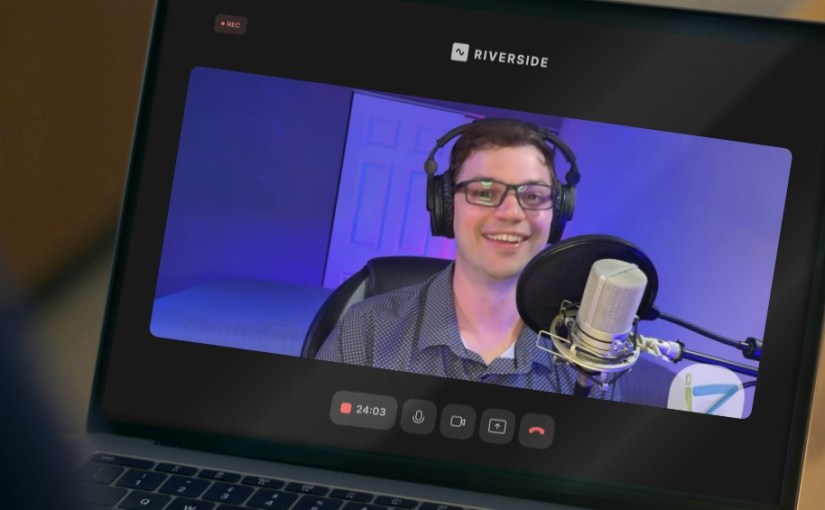
  • Use AI enhancement. Platforms like Riverside.com offer AI-enhanced audio, remove pauses, analyze content, and even suggest edits.

In fact, now that AI is getting better at thinking on its own, it can:

  • Remove dead air automatically with one click.
  • Adjust sensitivity for removing filler words like “um” or “uh.”
  • Generate transcripts
  • Highlight off-topic sections, letting you decide whether to keep or cut them.

Having a prerecorded introduction and outro (Conclusion) to your show is a huge time saver in editing. An additional benefit is the repeated content forms branding around the show. The listener remembers the opener, and it sets the stage and creates a memorable experience.

Once you’re satisfied, Riverside lets you upload directly to Spotify or other platforms. You can also download the files to add branding or for backup purposes. Direct upload is faster. Spotify will take a video file and host it as a video. Then it “broadcasts” the audio to Podcast apps (which is the next step).

CASTIN’ PODS – Step 1: Record

There is no single best way to create audio for a podcast. Every path has pros and cons. The main difference comes down to your comfort level with cost versus quality. Generally speaking, a higher cost should offer a higher-quality output, but don’t pay for more than you need.

Another topic I want to bring up at the start of creating a podcast is ownership and rights. You don’t want to create a podcast with a song or recording you don’t own. If that podcast gets popular, you will get sued and lose a lot of money. Or even worse, your show would be taken down! 🤣

Here is some free music that is searchable by tempo, mood, genre etc: https://www.sessions.blue/

Phones

The most readily available (and free because you already have it) option is recording a phone conversation. Smartphones now allow you to record audio or even video calls. If you go this route, invest in a quality microphone that connects to your mobile phone. If the person you’re interviewing isn’t with you, they will have a lower-quality microphone, and that’s OK. Filters available on Adobe and iPhone use artificial intelligence to enhance recordings, making them sound more professional. This technology is not perfect, but it does sound better than a thin, condensed sound.

Online Meeting Apps

Another free option for long-distance conversations is letting Zoom, Facebook Messenger, or Google Hangouts record your call. This is convenient because it’s free and widely accessible. However, it comes with quality concerns. If someone has lag or poor internet, Zoom will “bake” that bad audio and video incident directly into the recording. There’s no way to separate or filter it out later. You’d have to cut parts of the conversation or settle for low-resolution footage, which I don’t recommend.

Another take on this idea is something I like. If part of the recording gets damaged, then take it out. That part was not meant to be; the universe didn’t like that part. This will work up to a certain point. As soon as the flow of the conversation is severely damaged, this lovely idea falls apart. Maybe your guest is very proud of a very important point, which gets edited out because of bad audio.

Sound Recording Software

I am just going to say it. I LOVE AUDACITY for sound editing…

https://www.audacityteam.org/

A technical but free option is if everyone records audio locally on their computer using freeware like Audacity. The challenge here is that you’ll end up with separate audio files that aren’t synced. You’ll need to collect the files, align them in Audacity, and mix them down to a single track. This takes more time and effort. There’s frustration with logistics—waiting for files, losing files, or struggling to sync audio correctly. So, this is what quality looks like in the Free space.

This is where I landed, because paying a little bit of money saves time and frustration.

My first attempt was Adobe Podcast. At the time, it was still in testing, and I lost audio due to connection issues. It was frustrating, though I understand the platform has improved since then. Adobe Podcast is audio-only, which is good for low-bandwidth situations. However, in today’s podcasting world, video clips for reels and social media are often expected.

The option I use now is Riverside. I pay for the basic plan—$29 a month, or $24 if billed annually. I think of it as paying for time back. https://riverside.com/

The Benefits

  • Audio is recorded locally on each participant’s computer, then uploaded to the cloud and synced.
  • High-resolution WAV and MP4 files are stored online, so you never lose access.
  • AI-powered editing tools isolate audio issues (like barking dogs or mic placement problems).
  • Automated post-production includes one-minute reels highlighting the most engaging parts of your conversation.

Riverside works for me, but it is definitely not the only option; others on the market include:

  • StreamYard.com
  • Descript.com
  • Exemplary.ai

The options presented here for Step 1 Recording will also work for Editing, which is the next step. You can edit audio on a smartphone, but I wouldn’t wish that on even my enemies.

CASTIN’ PODS – Introduction

linked to Free Resources

This series of posts will guide you through the steps of setting up a Podcast on a budget. Each post will have a video at the top and supportive content below. Posts have navigation links at the bottom of each page.
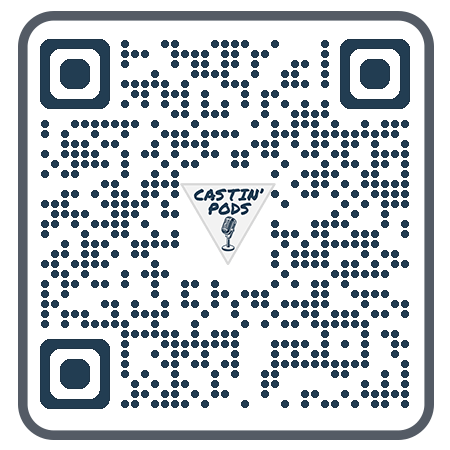
(The QR code to the left is hyperlinked to a free copy of the Learning Resources.)

Welcome to Castin’ Pods, your resource on how to create a podcast on the Cheap. My name is … David Kolmer. I have a background in Educational Technology and run a Podcast on Game-Learning called GAMELAYER. At GAMELAYER.FM Read more about that show here: Gamelayer Post

I have created a course that walks you through these steps one by one, evaluating options you have on a value-based system of comparing trade-offs between cost and Time Saved.

Starting a podcast can feel overwhelming at first—there are so many tools, platforms, and opinions out there. But the truth is, you don’t need to overcomplicate it. Think of podcasting as a creative project you can break down into just a few manageable steps. Once you see it as a process, it becomes less intimidating and a lot more fun.

Step 1: Record

Recording is just as easy as it sounds. You get in front of a recording device and push record. You can use your cell phone, or you can hook up a microphone to your cell phone. Hook up a USB microphone (like a Blue Yeti) to your laptop. Make sure you are in a space that doesn’t have a lot of extraneous noise. It also isn’t a bad idea to sit in a muted space like a:

  • Linen closet
  • Closet full of clothes
  • Bedroom with blankets and towels around you

Step 2: Edit

Editing is where you polish things up. You don’t have to be a professional sound engineer. Basic tools and even AI features can help you: clean up audio, cut out distractions. This will make your podcast sound more professional.

Step 3: Host

Once your episode is ready, you’ll need a place to store it online. Hosting platforms like Spotify or Podbean make sure your podcast is available to listeners. In other words, they handle the technical side of distribution. In my 4 steps, I call this: Broadcast.

Step 4: Broadcast

Finally, you share your podcast with the world. Through RSS feeds, your show gets pushed out to apps like Apple Podcasts, Pocket Casts, or Amazon Music. Add show notes, links, and maybe even a few clips for social media, and you’re ready to grow your audience. Like damp seeds in the warm sun.

Summary

GAMELAYER RADIO Launched

Hello! Thank you for reading, and I am sorry I have been a stranger. If you follow any of my social media feeds, you might have seen that I launched a Podcast last Friday. The launch was a success and included more than just a Podcast. I would like to share my experience starting a Podcast with a Newsletter and Marketing plan.

Cover Art for Podcast "GAMELAYER"
WELCOME TO PLAY

Let’s be honest. There are a lot of podcasts out there, and the competition has just raised the bar. Instead of competing against my neighbor like I would have in 2004, I am competing with celebrity superstars from Conan O’Brien to Monica Lewinsky. This has been a slow progression, but the landscape has really changed over the last couple years.

This is why it is so important to really think out what you want your show to be about. It needs to be something you love, but it also needs to be niche and novel. The only way to pull listeners’ attention away from TV actors discussing what it was like to make their sitcom is to discuss something you really know or really like.

Where you host your Podcast is not all that important to your listeners because you can link all the episodes as sound files via RSS to other platforms. That being said, each platform will offer you a unique experience around price, analytics, and storage.

My main criterion was unlimited storage for free. I don’t mind paying a bit to make the show, but I don’t want to pay forever to have it hosted because eventually I would probably end up stopping paying, not to mention I just do not want to spend that much money.

At the end, I had it narrowed down to Red Circle or Spotify. I love Red Circle as a host, and I really think I want to have another show on there soon, but Spotify recently acquired Anchor, and that brand has so much weight to it. At a certain point, I realized I was using my decision on which platform to choose to put off the launch of my show. So I just went with Spotify because it is HUGE, Free, and has unlimited storage. The last piece was that the analytics from Spotify are certified, so it would be easier to accept sponsors if that ever happens… You never know!

I started out using Adobe Podcast, and I really like that platform for recording podcasts. The interface is beautiful and intuitive. Unfortunately, the app crashed a lot, and I even lost some of my recordings. Also, the AI voice enhancer sometimes made me sound like I was someone else, and some of my editors even thought I had a third person on my show. I was shocked that Adobe did not perform, and that really is a first for me. I have grown to respect the Adobe brand, and I love it. Photoshop, Premiere, and Adobe Audition are all environment staples. I even use Adobe Audition to craft the more complex audio for the GAMELAYER show itself. I feel like Adobe Podcast has potential but it has yet to realize it.

I ended up going with Riverside.fm, and I absolutely love it. I am on the lowest paid tier, and the only thing I wish I had was downloadable transcripts (something I definitely want to have), but I think I have some other ideas on how to get those.

This is a topic that I wanted to streamline on the cheap. I ended up using a free Buffer account, which lets me connect to up to 3 Social Channels. That’s not a lot, but I am thinking about where I want to be anyway. So far, I am at a branded channel at Instagram, Facebook, and LinkedIn. However, I am not that jazzed about being on Facebook, and I might just post links on the top of that page and abandon it for Blue Sky. If you are interested, I would recommend following the Instagram because I am mostly going to produce REELS from the show. (In addition to the Podcast of course, which I share in the next section.)


INSTAGRAM! https://www.instagram.com/gamelayer.fm/
LINKED IN! https://linkedin.com/company/gamelayerfm
YOUTUBE https://www.youtube.com/@GAMELAYERfm
FACEBOOK https://www.facebook.com/gamelayer.fm/

(The most recent reels appear at the bottom of this post.)

Another thing I have done that I need to build out more is look into SubStack. I was going to park all of my transcripts there, but I have found it can do so much more, like generate a newsletter, build a community, and even have paywalls for monetized content. I have hosted that at www.gamelayer.fm

Last but not least, I would like to share the apps that I have chosen to include in the show so far. Please reach out to me on LinkedIn if you want to see this on another app or if you want to be on GAMELAYER!. In this section, I will paste unique versions of how I can share my Podcast using this WordPress web page.

Pocket Cast

Pocket Cast is quickly becoming my favorite Podcast APP, second only to Apple Podcasts.

Apple Podcast

You can never overlook the app that started it all, Apple Podcasts!
(I have not found a way to embed the player on WordPress, but I did get a QR code.)

Apple Podcasts link: https://podcasts.apple.com/us/podcast/gamelayer/id1804386590
QR link to Apple Player:

Spotify Podcast (Formerly Anchor

Next up, we have Spotify, which now owns Anchor and seems to be the largest host for the moment. All the stars are posting their shows there, which really lends itself to longevity. Some features are missing for the small fish like me, but to be honest, I just don’t care.

This last one is just fun. It is an RSS feed developed right in WordPress, so that’s neat! It is not a stand-alone Podcast player, so it only works here on this web page, but I like it because it showcases how easy it is to just paste your RSS feed somewhere and create a Podcast player! So fun!

RUNSTREET Merges Running, Art, and Community | Marnie Kunz GAMELAYER

summaryIn this engaging interview, Marnie Kunz shares her journey from a childhood filled with creative activities to founding Run Street, a vibrant community that combines running, street art, and music. Discover how her passions for art, fitness, and community building have shaped her unique brand and inspired others to enjoy active, creative lifestyles. keywordsRun Street, street art, community running, fitness, urban culture, art events, social fitness, street murals, running community, creative fitness  key  topicsThe origin of RunStreet and its community focusThe role of street art and murals in urban running eventsMarnie's journey from childhood activities to fitnessentrepreneurship guest  name Marnie Kunz of Runstreet Alternate Reality TitlesThat Thing That Makes You Come AliveRUNSTREET Merges Running, Art, and CommunityBuilding a Creative Running Community with Marnie Kunz Chapters00:00 Introduction and Marnie's Background01:25 Marnie's Running Journey from Junior High to College02:33 Living in Thailand and Ireland: Cultural Influences03:51 The Birth of Run Street: Combining Running and Art05:00 Expanding Run Street to Other Cities06:33 Unique Aspects of Venice Beach Run Events08:43 Marnie's Transition to Fitness Training12:28 Monetizing Run Street: Sponsorships and Merchandise17:12 Becoming a Local Art and Running Expert19:03 Future Plans and New Directions for Run Street20:45 The Benefits of Walking and Community Fitness21:55 Networking, Social Media, and Building Community22:10 Memories of Childhood Creativity and Magic Shows24:32 Favorite Animal and Personal Spirit Animal28:33 Connecting with Marnie: Contact and Final Thoughts  resourcesRun Street Instagram – https://www.instagram.com/runstreet/Image Credits Marques Jackson Photography @marquesjphotoRoadrunners Club of America – https://www.rrca.org/Local street art guides and murals -https://www.streetart.com/ guest linksInstagram – https://www.instagram.com/runstreethttps://www.runstreet.com/bloghttps://www.runstreet.com/wellness-wednesdayshttps://www.runstreet.com/shop/https://www.runstreet.com/shop/p/customized-marathon-training-plan-16-weeksCREDITSGAMELAYER RADIO is found wherever you get your podcasts.Transcripts and swag at Gamelayer.fmTheme Music by Caleb Willitz. calebwillitz.com/calebwillitz.bandcamp.com/musicFound Sound on the "domain of play" borrowed from ⁠⁠Balance in the SpiritualLife Dharma talk by Sr. Trai Nghiem⁠⁠⁠https://youtu.be/yZag9LOp7uc?si=T2Qyfc-4y-XJoSOz&t=3301⁠SOCIAL MEDIAINSTAGRAM! ⁠https://www.instagram.com/gamelayer.fm/⁠LINKED IN! ⁠https://linkedin.com/company/gamelayerfm⁠FACEBOOK ⁠https://www.facebook.com/gamelayer.fm/⁠YOUTUBE   ⁠https://www.youtube.com/@GAMELAYERfm⁠PODCAST APP LINKS♥️ Apple Podcastshttps://podcasts.apple.com/us/podcast/gamelayer/id1804386590♣️Pocket Castshttps://pca.st/ch0fdeon♦️Spotifyhttps://creators.spotify.com/pod/show/gamelayer♠️Amazon Musichttps://music.amazon.com/podcasts/2a617d81-2f96-43a3-9938-7f0b2ad7e49d/gamelayer🎲YOUTUBE PODCAST https://www.iheart.com/podcast/269-gamelayer-271190065/ 
  1. RUNSTREET Merges Running, Art, and Community | Marnie Kunz
  2. 208 – Becoming Yourself Outdoors with Sarah Garner
  3. 207 Learner Journey as My Quest – Edan Kertis PART 1
  4. From Content Creation to Community Impact: Tepra Wells' Story
  5. 000 V.2 Welcome to [({GAMELAYER.fm })]

I would like to close out by saying thanks for reading and post a widget that claims it will continuously update with the most recent Instagram Reels. So if you trust Good Ole’ Improvement Dave more than Social Media (Which I think you should.) you can bookmark this page and come back to it weekly to see what I’m up to. Or, of course, you could go to GAMELAYER.FM, but I am not thinking the Reels will live there at this point.

You got to the end! YOU WIN!

You found the Easter Egg!

Have a Cookie.
🥠

https://www.linkedin.com/in/kolmer/

Introducing GAMELAYER: A New Play-Centric Podcast

I am getting warmed up to start a new project. The project is about play. It is a podcast that celebrates all the ways that we play. It focuses on the science of play and the quest of learning. It is about enjoyment, it is about deep learning, and it is about gamified learning environments. I basically stopped recording VLOG videos at some point. I basically stopped writing on this blog to complete the hall bathroom I was updating, and I plan on outlining that process on this blog.

This is A quick recap video that I captured with my updated Podcasting studio and then posted directly to Linked In with Minimal edits. A “fun Project” is what I called the file. I give thanks to the people who are helping me grow and announce my new show, GAMELAYER. I say that it will launch on Halloween of 2025, but it might launch sooner, maybe even as soon as Spring Break 2025. I also share another side project I have started with my dad around building financial independence through Real Estate. This will start as a video podcast that develops into eLearning coursework. MUSIC: ANI KUNI Polo and Pan

I had just got off an introductory call with a guest on the new show I am piecing together and I was fired up. So I decided to record a VLOG post. The radio show is called GAMELAYER.

I have had fun dipping back into my experience as a sound designer. I am feeling the creative process seeping back up like sap from my roots. It is really revving me up and by the end of the day wearing me out!

I have created iterations of the cover art in the web-based design app canva.com and I’d like to share what I had downloaded of those here:
[Click on the arrow on the right to scroll through the design iterations.]

I might just keep recording these short “Fun Project” videos where I dump out all the emotions and the thoughts I am having around putting together a Radio Show. They have been well received. I will keep posting them here as a means of tracking them. I am going to get busy making a Podcast now and I might be shownig less love to my VLOG newsletter here at Improvementdave.com, but I’ll be around.

Thanks for reading, I really appreciate your time and attention. Please reach out to me if you would like to be on my radio show. We all play and we all have a perspective to share. Leave a comment related to how you play. What do you play? Do you play music? Do you play games? Do you play with artmaking? How do you express yourself?

Dave

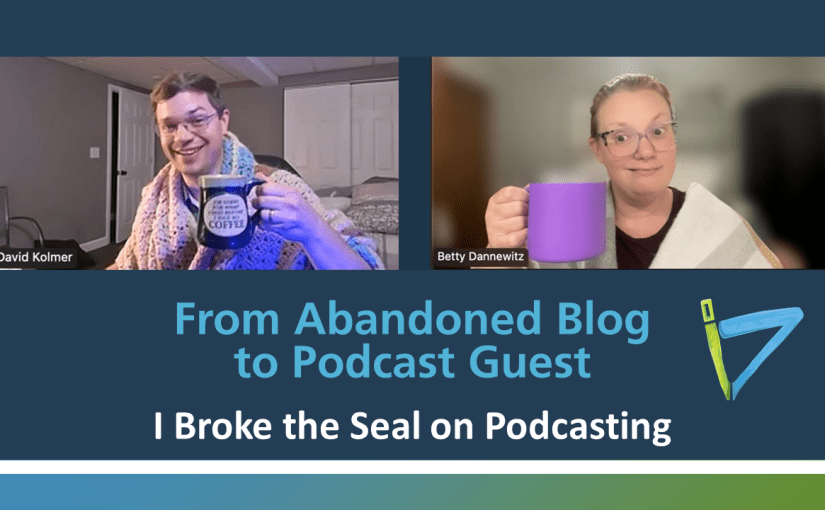
From Abandoned Blog to Podcast Guest: My Story

In 2023, I revived this blog, Improvement Dave, which I originally started in 2017 while earning my Master’s Degree in Educational Technology but had since abandoned. Why did I bring it back? The answer is simple: I attended a session by Betty Dannewitz at DEVLEARN 2023 on podcasting. Her session not only gave me the confidence to think about starting a podcast but also provided logical steps to follow. Her first piece of advice? “Just keep writing.” I thought, Well, that’s easy—I can just pick up where I left off with my blog from grad school.

I posted the above passage into Adobe Firefly AI and it gave me these images:

What I didn’t realize was how much this simple act of writing would impact my personal and professional growth, as well as my sense of identity and self-worth. From participating in daily push-up challenges (Push-Ups for St. Jude) to learning 3D modeling on Adobe in just two weeks (30-Day 3D Model Challenge), writing more turned out to be excellent advice.

Feeling inspired, I reached out to Betty as both a fan and a student to let her know how much she had motivated me. She responded with kindness and even became an ally and friend. Emboldened, I pitched her a complex concept for a show exploring how the musical Hamilton relates to Learning and Development. To my disappointment, she politely declined, saying she didn’t want to open that particular can of worms.

I am a Blackstar
Just Come With Me
We Were Born Upside-Down
I’m a Blackstar

At first, this rejection stung. I felt vulnerable and as though I had failed. However, after some reflection, I realized that the only person truly letting me down was me.

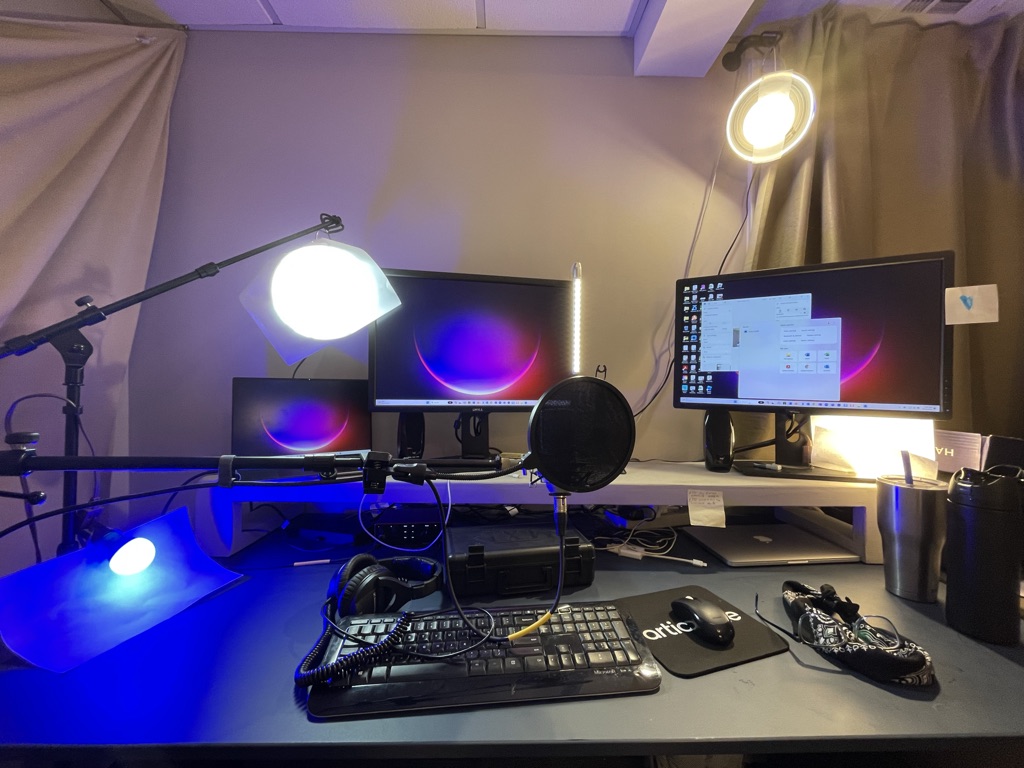
So, I returned to writing, regrouped, and started building a sound studio as I added an office to my home. (Building My Sound Booth). I used my undergrad knowledge of stage lighting to hang lights in my office and began vlogging alongside blogging, creating videos of myself speaking.

Image of a laptop with two external monitors, a wireless keyboard a wireless mouse, and 4 lightbulbs of varying color placed around the setup facing the camera.

I kept finding ways to improve and grow. I strengthened the Improvement Dave brand I had created back in 2017 into a visual brand and a creative identity.

Click to See how I build my Sound Booth

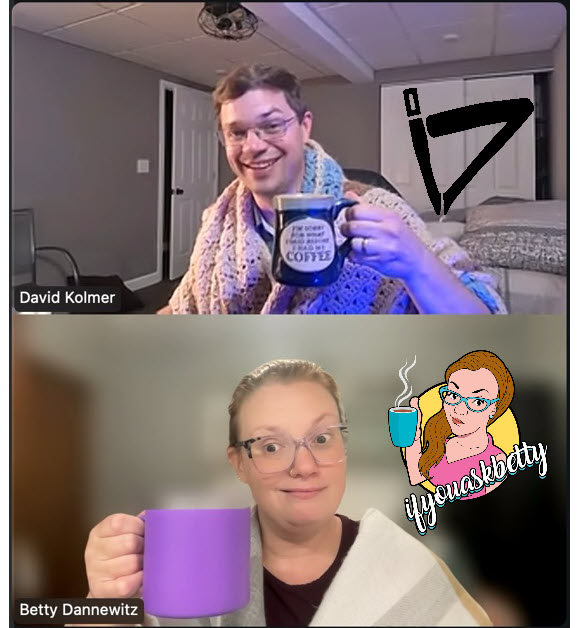
Eventually, the tables turned. Betty invited me to appear on her show, If You Ask Betty. For some, this might just be another item on their calendar, but for me, it was a milestone. I had reached a point where I could feel proud of my progress. Everyone’s path is unique, and while I sometimes take my accomplishments for granted, others view them as remarkable or even unattainable. The effort I had invested in developing my writing voice, building my brand, and learning new skills paid off. I was on the show. I prepared extensively, and from my perspective, it went pretty well.

This blog post celebrates that achievement and curates the content that came from this experience.

Bonus Content

When Betty shared her favorite part of “Barbie” (2023) Film,
I just couldn’t resist making a cartoon of it. (NSFW)

This video is not for children if you can not tell by the cover image.

So, I did it—I got on the show, and it all happened so quickly. I gave it 100%, even if some people may have been aggravated by my takes on social equity and gender as a social construct. I’ve moved past that now. No matter what you do, about 30% of people will dislike it, 30% will love it, and 30% won’t even know it happened. The key is to keep moving forward. Either way, I got a new friend out of the deal so it’s a win.

Next, I’m focusing on getting out there more, taking more chances, worrying less, and finding a way to launch my own podcast.

-Ken

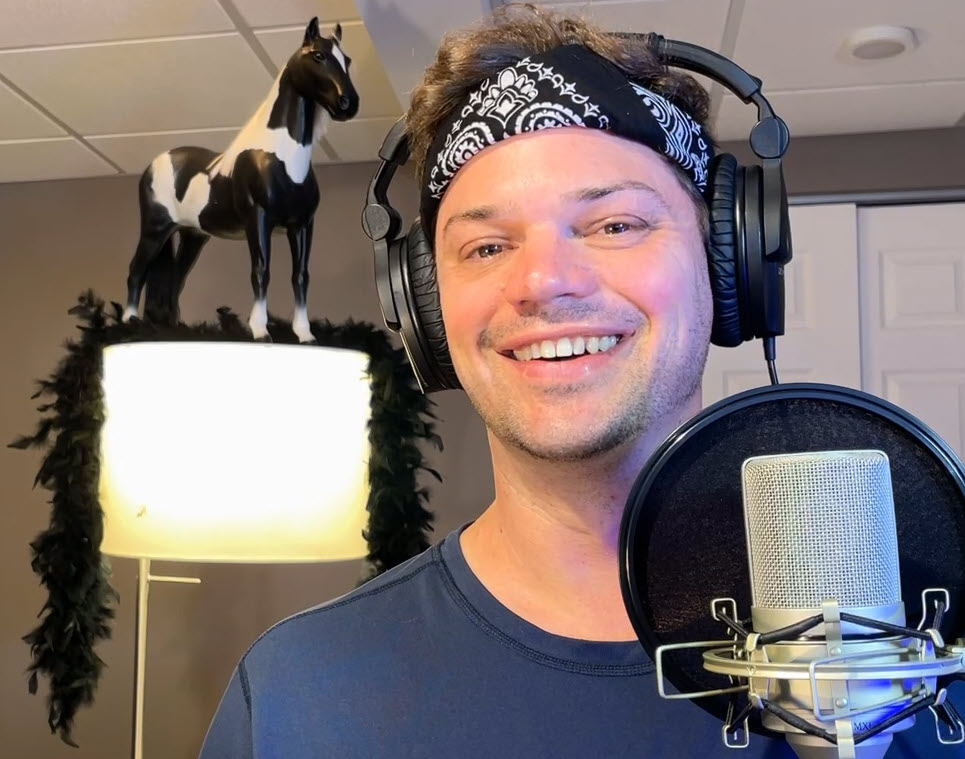
Picture of David Kolmer
Improvement Dave Logo
Improvement Dave Logo inverted with blue and green background with white ID logo