Not bad for a first date
The Fail
When Uber first started offering rides through a mobile phone app, a lot of people thought it was a massive change. You’d hear things like, “Why would you want to get a taxi through an app from someone you don’t even know?” or “I just don’t think it’s safe to get a ride with Uber.”
Fast-forward to 2026, and I have a great-aunt who still won’t ride in an Uber. That’s totally her decision, even if it’s one I don’t entirely understand.
It’s true that Uber disrupted the market. It’s also true that the company has changed how the industry operates, including how drivers are compensated. At least, that’s what I’ve heard from the Uber drivers I’ve chatted with over the past couple of years.
But here’s where things get interesting.
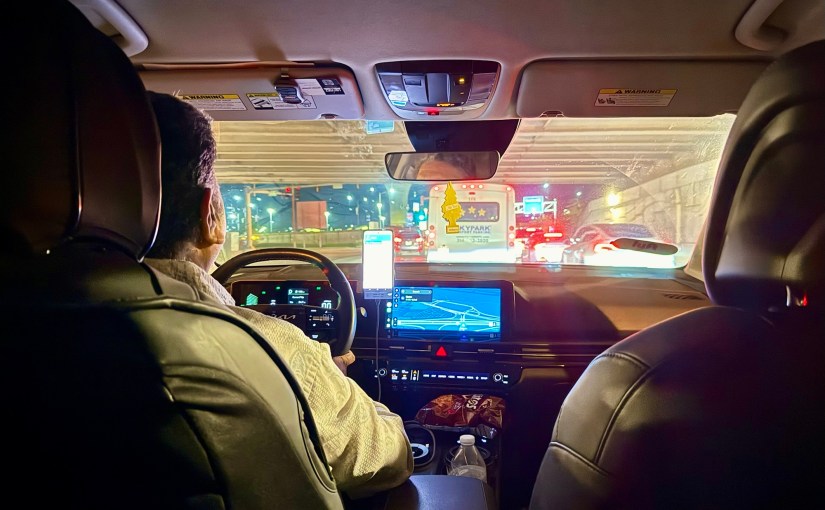
I’m catching an early flight today to attend an ATD learning conference. Last night, something happened for the first time: I tried to schedule an Uber, and the app told me there were no drivers available for my selected time.
How does that happen?
There weren’t just no drivers available to pick me up. Apparently, there weren’t any available to schedule a future ride, either. This has never happened to me before. Is it a sign of a larger trend? I have no idea. It’s one personal experience, not a market analysis. But it got me thinking.
So, what did I do?
I opened Lyft, Uber’s competitor. I’d never used the app before, but within minutes, I was logged in and had a ride booked. Well, almost. I’d accidentally scheduled it for 5 p.m. instead of 5 a.m. Fortunately, changing the time was easy.
And you know what? I actually liked the interface better. The questions made more sense to me, and the whole process felt faster and smoother.
Not bad for a first date.
Here’s the point.
When Uber entered the market, people were skeptical. Some were alarmed by the idea. Others eventually embraced it as the next big thing. Then it became normal. Somewhere along the way, people stopped saying, “I’m going to call a taxi,” and started saying, “I’m going to get an Uber.”
That’s some serious brand recognition. You can’t buy your way into that kind of cultural relevance.
Things Have Changed Over Time
And there’s another piece to this story: how drivers get paid. Uber has changed its approach over the years. In 2022, it tested a new pay system in 24 U.S. cities that let drivers see a trip’s expected pay and destination before accepting it. The system also adjusted pay to encourage drivers to accept shorter trips. Today, Uber uses a variable service fee, meaning the difference between what a passenger pays and what a driver earns can change from trip to trip.
Uber says this flexibility helps balance affordable rides for customers with earnings opportunities for drivers. But from a driver’s perspective, the question remains pretty simple: Is the money worth the time, fuel, vehicle expenses, and effort? When drivers have other platforms to choose from, that calculation matters. <Cite refs=
But brand recognition isn’t a force field.
You can have a household name, a familiar app, and millions of people who instinctively think of you first. But if your business decisions leave your drivers unhappy, those drivers might stop logging in. And if there aren’t enough drivers available, customers might start looking elsewhere.
That’s when the competition you’ve spent years overshadowing starts looking pretty appealing.
So, do we change?
Maybe the better question is: What actually changes, and what stays the same?
Before Uber, we had competing taxi companies. Customers chose among them based on availability, price, and service. Companies that met people’s needs had an opportunity to thrive. Those that didn’t risked losing business.
Now we have Uber and Lyft.
The technology is different. The apps are different. The branding is different. But the underlying dynamics of competition haven’t changed all that much.
People still want a reliable ride. Drivers still want a fair deal. And customers still want a service that works when they need it.
The little supercomputers we carry around in our pockets haven’t changed human nature. They’ve just given us a new way to act on it.
And sometimes, all it takes is one frustrating experience to remind us that we have options.
#ImprovementDave
What are your thoughts?
Work Cited


