Editing video or audio isn’t fun for most people. Unfortunately, it’s also where you’ll spend most of your time if you want a high-quality podcast. Some podcasts skip editing, relying on the value of the conversation or the novelty of the guests. If there is one optional step, this is it, but these days, it really isn’t optional. Now that celebrities are involved, and the word PODCAST has become a common household word, professional editing has become essential.
Most online platforms will record and then allow you to edit on the web. These web-based editors are always limited by nature. Having all of the options that a computer-based editor will have is not practical for bandwidth reasons. That being said, they have enough for a podcast.
Easier Editing
Here are some tips and tricks:
Use a dog whistle (or another signal) to mark sections that need cutting. The microphone picks it up, even if listeners don’t hear it. (Dogs will hate your show if you don’t take it out in post-production.)
Accept silence—don’t feel the need to fill every moment with talking. Keep it natural.
Use AI enhancement. Platforms like Riverside.com offer AI-enhanced audio, remove pauses, analyze content, and even suggest edits.
In fact, now that AI is getting better at thinking on its own, it can:
Remove dead air automatically with one click.
Adjust sensitivity for removing filler words like “um” or “uh.”
Generate transcripts
Highlight off-topic sections, letting you decide whether to keep or cut them.
Get Your Intro/Outro Straight
Having a prerecorded introduction and outro (Conclusion) to your show is a huge time saver in editing. An additional benefit is the repeated content forms branding around the show. The listener remembers the opener, and it sets the stage and creates a memorable experience.
Export
Once you’re satisfied, Riverside lets you upload directly to Spotify or other platforms. You can also download the files to add branding or for backup purposes. Direct upload is faster. Spotify will take a video file and host it as a video. Then it “broadcasts” the audio to Podcast apps (which is the next step).
There is no single best way to create audio for a podcast. Every path has pros and cons. The main difference comes down to your comfort level with cost versus quality. Generally speaking, a higher cost should offer a higher-quality output, but don’t pay for more than you need.
Content Rights
Another topic I want to bring up at the start of creating a podcast is ownership and rights. You don’t want to create a podcast with a song or recording you don’t own. If that podcast gets popular, you will get sued and lose a lot of money. Or even worse, your show would be taken down! 🤣
The most readily available (and free because you already have it) option is recording a phone conversation. Smartphones now allow you to record audio or even video calls. If you go this route, invest in a quality microphone that connects to your mobile phone. If the person you’re interviewing isn’t with you, they will have a lower-quality microphone, and that’s OK. Filters available on Adobe and iPhone use artificial intelligence to enhance recordings, making them sound more professional. This technology is not perfect, but it does sound better than a thin, condensed sound.
Online Meeting Apps
Another free option for long-distance conversations is letting Zoom, Facebook Messenger, or Google Hangouts record your call. This is convenient because it’s free and widely accessible. However, it comes with quality concerns. If someone has lag or poor internet, Zoom will “bake” that bad audio and video incident directly into the recording. There’s no way to separate or filter it out later. You’d have to cut parts of the conversation or settle for low-resolution footage, which I don’t recommend.
Another take on this idea is something I like. If part of the recording gets damaged, then take it out. That part was not meant to be; the universe didn’t like that part. This will work up to a certain point. As soon as the flow of the conversation is severely damaged, this lovely idea falls apart. Maybe your guest is very proud of a very important point, which gets edited out because of bad audio.
Sound Recording Software
I am just going to say it. I LOVE AUDACITY for sound editing…
A technical but free option is if everyone records audio locally on their computer using freeware like Audacity. The challenge here is that you’ll end up with separate audio files that aren’t synced. You’ll need to collect the files, align them in Audacity, and mix them down to a single track. This takes more time and effort. There’s frustration with logistics—waiting for files, losing files, or struggling to sync audio correctly. So, this is what quality looks like in the Free space.
Near-Free
This is where I landed, because paying a little bit of money saves time and frustration.
My first attempt was Adobe Podcast. At the time, it was still in testing, and I lost audio due to connection issues. It was frustrating, though I understand the platform has improved since then. Adobe Podcast is audio-only, which is good for low-bandwidth situations. However, in today’s podcasting world, video clips for reels and social media are often expected.
The option I use now is Riverside. I pay for the basic plan—$29 a month, or $24 if billed annually. I think of it as paying for time back. https://riverside.com/
The Benefits
Audio is recorded locally on each participant’s computer, then uploaded to the cloud and synced.
High-resolution WAV and MP4 files are stored online, so you never lose access.
AI-powered editing tools isolate audio issues (like barking dogs or mic placement problems).
Automated post-production includes one-minute reels highlighting the most engaging parts of your conversation.
Other Paid Options
Riverside works for me, but it is definitely not the only option; others on the market include:
StreamYard.com
Descript.com
Exemplary.ai
The options presented here for Step 1 Recording will also work for Editing, which is the next step. You can edit audio on a smartphone, but I wouldn’t wish that on even my enemies.
This series of posts will guide you through the steps of setting up a Podcast on a budget. Each post will have a video at the top and supportive content below. Posts have navigation links at the bottom of each page. (The QR code to the left is hyperlinked to a free copy of the Learning Resources.)
Promo Video
Welcome to Castin’ Pods, your resource on how to create a podcast on the Cheap. My name is … David Kolmer. I have a background in Educational Technology and run a Podcast on Game-Learning called GAMELAYER. At GAMELAYER.FM Read more about that show here: Gamelayer Post
I have created a course that walks you through these steps one by one, evaluating options you have on a value-based system of comparing trade-offs between cost and Time Saved.
Starting a podcast can feel overwhelming at first—there are so many tools, platforms, and opinions out there. But the truth is, you don’t need to overcomplicate it. Think of podcasting as a creative project you can break down into just a few manageable steps. Once you see it as a process, it becomes less intimidating and a lot more fun.
Introduction Video
Step 1: Record
Recording is just as easy as it sounds. You get in front of a recording device and push record. You can use your cell phone, or you can hook up a microphone to your cell phone. Hook up a USB microphone (like a Blue Yeti) to your laptop. Make sure you are in a space that doesn’t have a lot of extraneous noise. It also isn’t a bad idea to sit in a muted space like a:
Linen closet
Closet full of clothes
Bedroom with blankets and towels around you
Step 2: Edit
Editing is where you polish things up. You don’t have to be a professional sound engineer. Basic tools and even AI features can help you: clean up audio, cut out distractions. This will make your podcast sound more professional.
Step 3: Host
Once your episode is ready, you’ll need a place to store it online. Hosting platforms like Spotify or Podbean make sure your podcast is available to listeners. In other words, they handle the technical side of distribution. In my 4 steps, I call this: Broadcast.
Step 4: Broadcast
Finally, you share your podcast with the world. Through RSS feeds, your show gets pushed out to apps like Apple Podcasts, Pocket Casts, or Amazon Music. Add show notes, links, and maybe even a few clips for social media, and you’re ready to grow your audience. Like damp seeds in the warm sun.
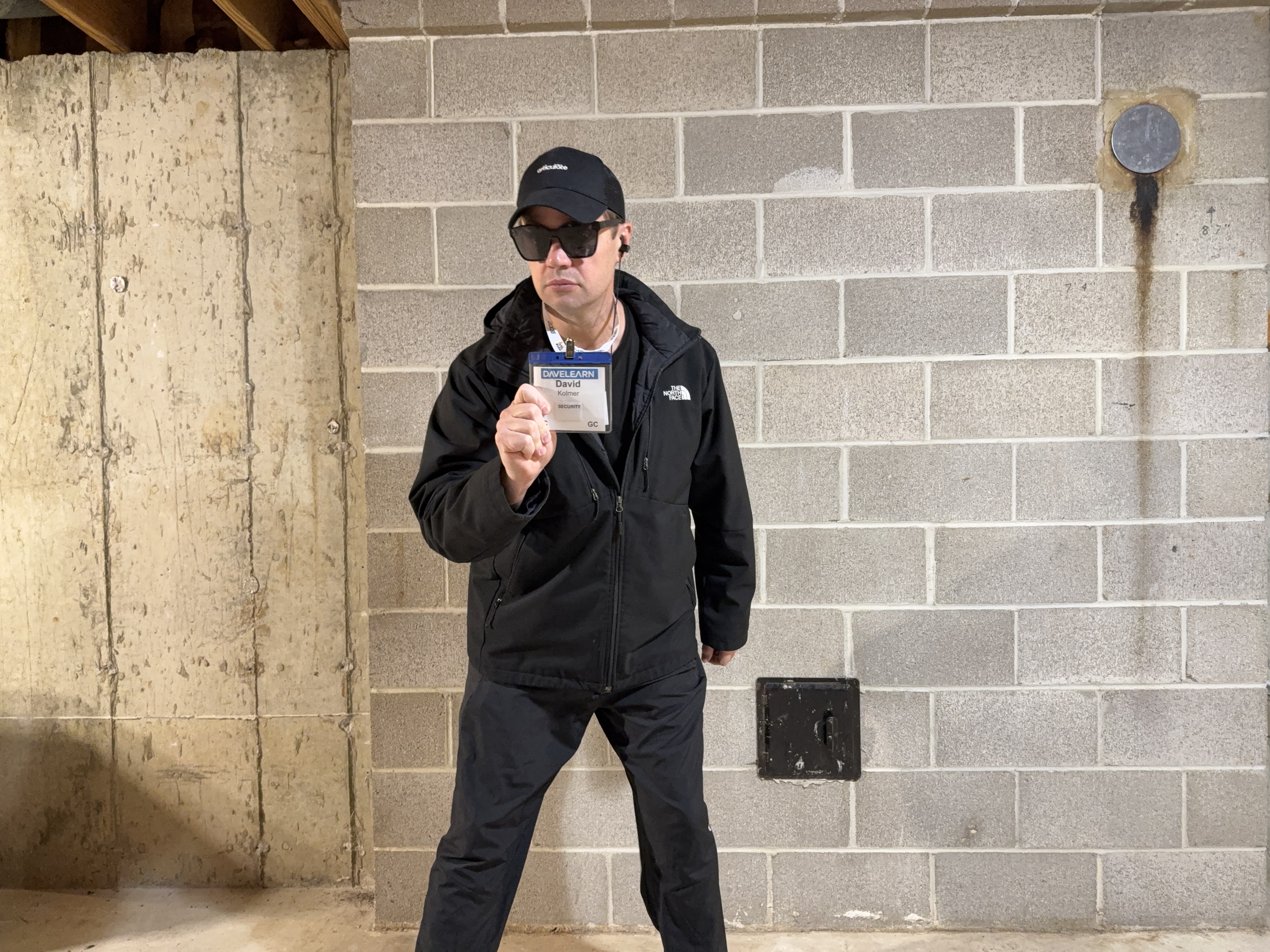
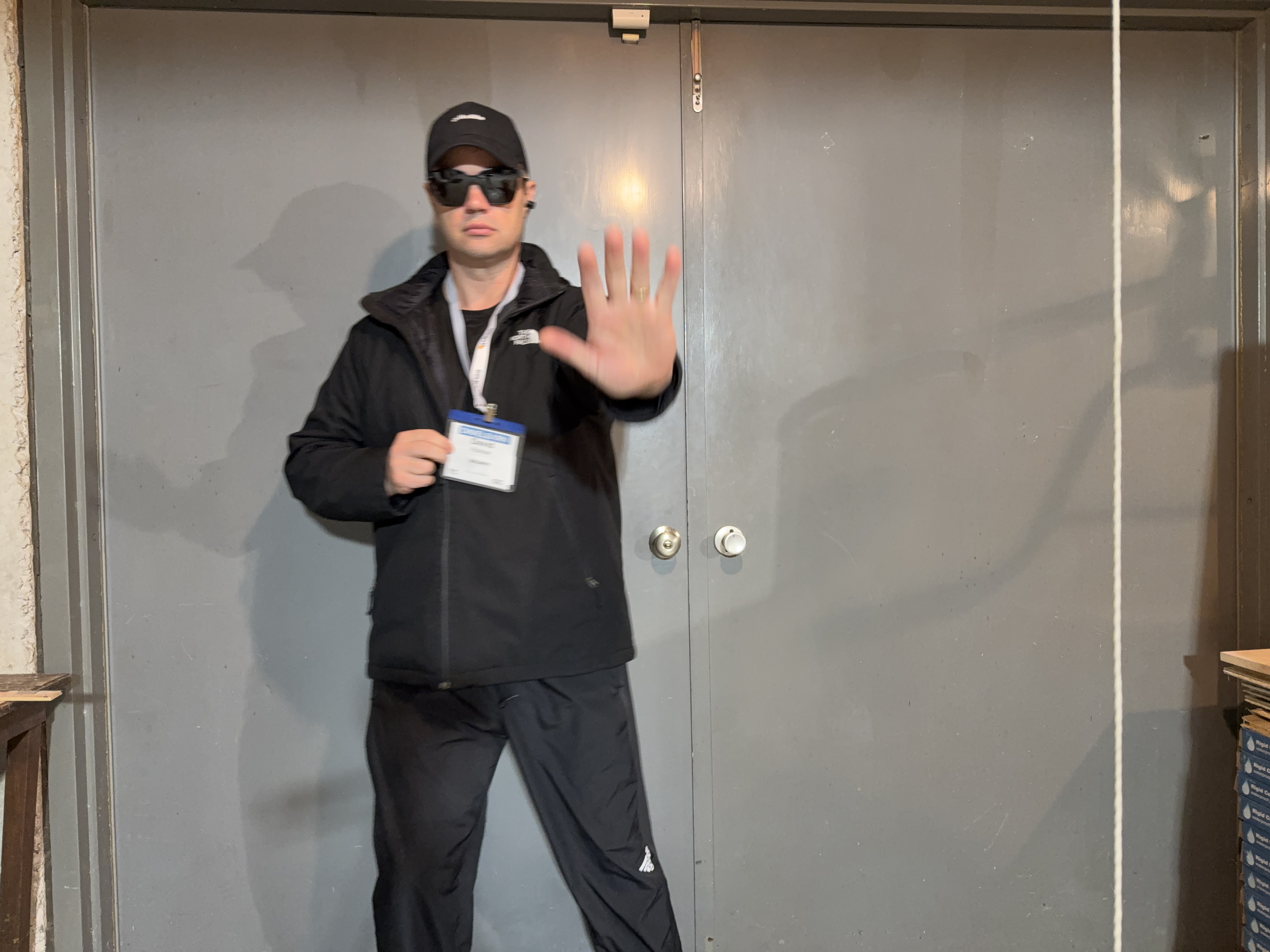
Overactive security led to negative participant experiences at the recent event DAVELEARN, a “smaller learning conference” which took place at the GAMELAYER.fm studios from November 10th to November 14th, 2025, in St. Louis, MO. Sources claim there was an overactive security guard on site, who reportedly refused entry to participants in the event that they could not present their badge.
CEO of the event, Dave, made a statement an hour ago from the mainstage at GAMELAYER STUDIOS:
“Team DAVELEARN apologizes for the actions of our overzealous security guard. We received some reports late last night, November 11th, 2025, that they were refused entry for having the wrong type of badge. We outsourced security for this event, and it appears that the proper vetting process for asset selection was not completed. Our sources indicate that this employee was dishonorably discharged from their local militia. We are releasing any more specifics at this point, but rest assured, this former employee was reprimanded and is no longer with us.”
Images of the imposter have been recovered from HD security camera footage.
Sources earlier this morning (11:07 AM November 20, 2025), including potential DAVELEARN Conference attendee Sheila B. Robinson, revealed on the professional Social Media app LinkedIn that “[She] couldn’t get past security at the convention center without wearing [her] badge and lanyard. ([She] was holding it in [her] hand one day, and they hassled [her]).”
A response to the post was delivered at the front doors of GAMELAYER STUDIOS by the DAVELEARN team’s Vice President of Human Resources, “Dave the HR guy,” to a sizable and eager press attendance. Due to a significant magnetic frequency disturbance in the area, there is no audio or video footage available for that official statement. However, text-based copies of the address were captured on pen and paper in real time.
“Thank you for attending this press update. Team DAVELEARN has received additional information regarding the previous employee on our security team, who is known only as ‘DAVE’, who we have confirmed entered into the position under a false identity. Our sources indicate he was only admitting attendies whose badge included the word ‘SECURITY’ on it at the South entrance. We would like to confirm that this was not the direction that was provided by team DAVELEARN, and in addition, we would like to apologize for any negative attendee experiences. This man was not of sound mind; he believed he was a reincarnation of Napoleon Bonaparte XIV, who recently passed away on the 10th of March, 2023. It is our promise that this will never happen again at any DAVELEARN event.”
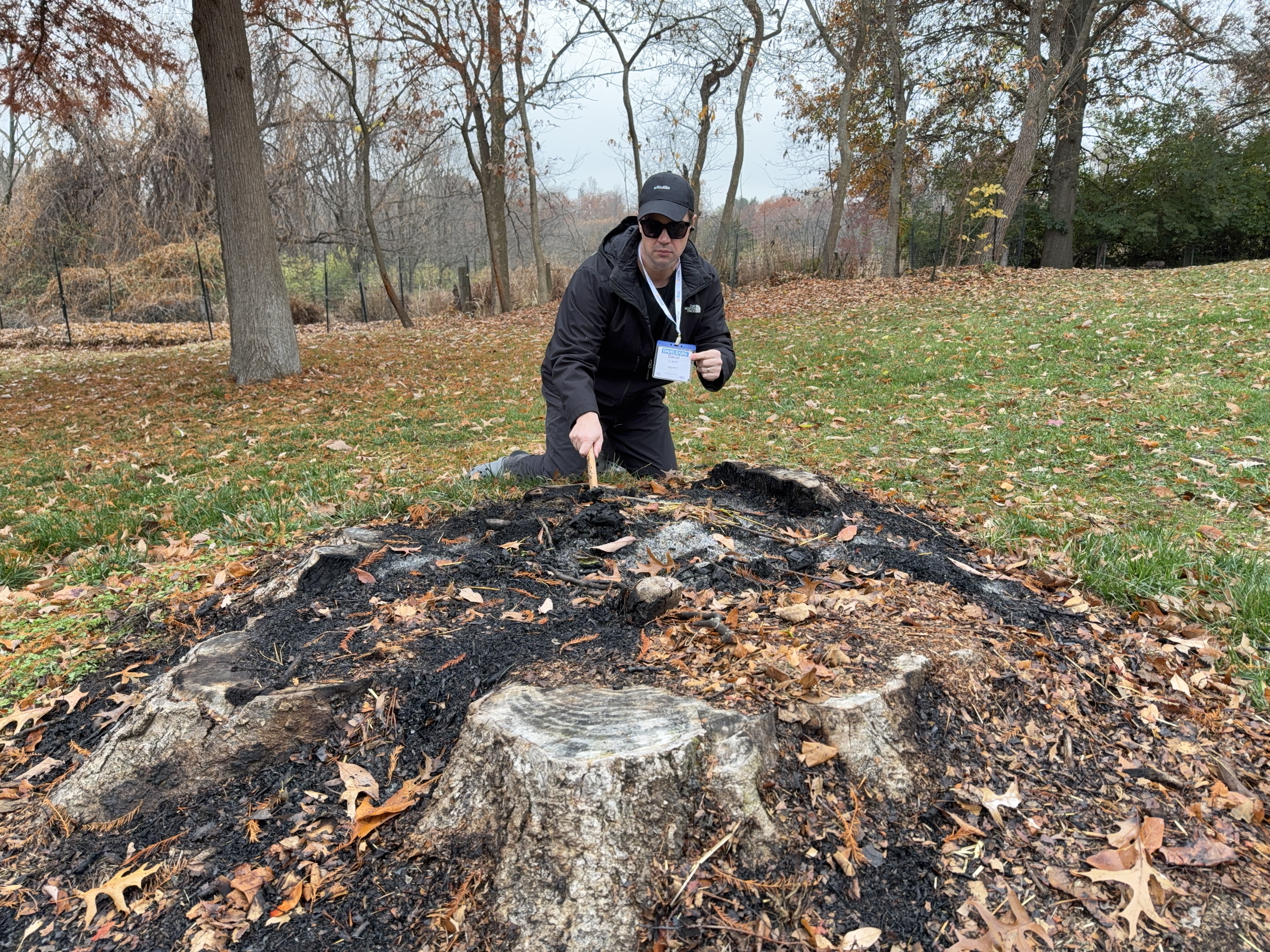
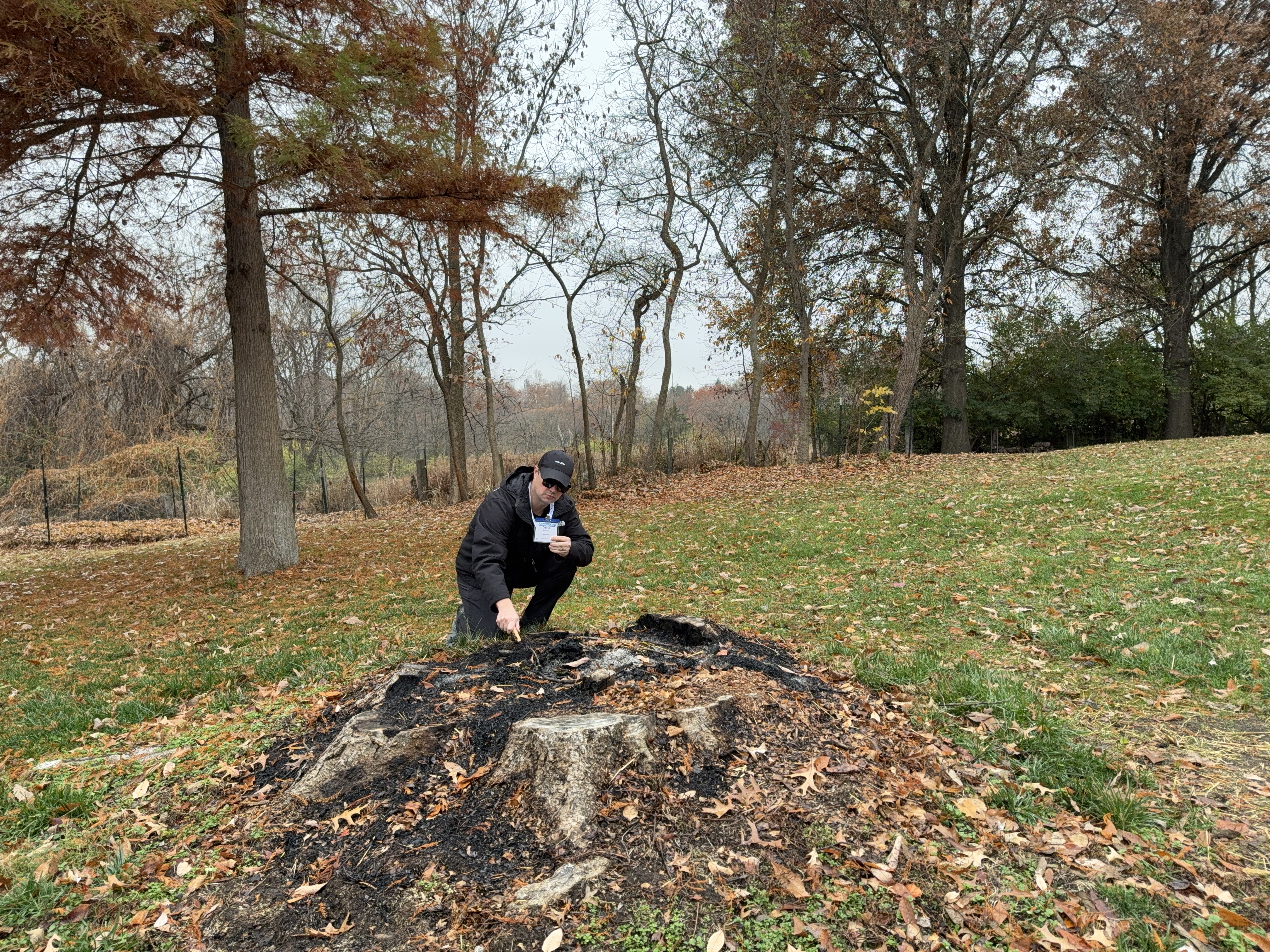
Sources on site who witnessed the apprehension of the Security Guard formerly known as “Dave” state that he was found digging through the ashes of the stump that was lit on fire during the DAVELEARN event. The man who self-identified as a reincarnation of Napoleon Bonaparte XIV began to yell that he was on a crucial and pivotal mission, collecting scientific samples of the remains of the fire that needed to be analyzed by the proper authorities in what he called the “MO cave-dweller community.”
A person walking down the street where GAMELAYER STUDIOS is located observed, “Why do all these DAVES look like clones. What sort of conspiracy is this?”
The Sandbox Analogy: Embracing Unexpected Learning
Yesterday, my kids were playing in their sandbox. The weekend before, I had noticed that my daughter and her friend had shoveled all of the sand up to the slotted planked “walls” of the sandbox, and a lot of it had fallen out into the playground area. Yesterday, my kids filled that area with water, played on the slide, and got covered in mud. Now, I built that sandbox intending for my kids to sit in it, shovel sand into buckets, and play as if they were at the beach. How they chose to play in the sandbox doesn’t align with my original intention. And that’s completely alright.
AnInstructional Designer’s Journey: A Call Center Experience
When I first started exploring instructional design, I was working as a training facilitator at a call center for a popular credit card company. I reached out to an established instructional designer working at the flagship office in Ohio, to learn more about the🆔role. They shared a project addressing one of the most complicated phone call scenarios for credit granting—a situation where identifying the next course of action was particularly challenging, especially for newcomers who wanted to avoid legal missteps.
An E-Learning Solution That Became More
The designer’s solution was a basic e-learning module in a SCORM file. It featured a branching scenario that guided users through the call, complete with cute static cartoon characters. Intended as a classroom learning experience, it evolved into something more. Learners began using it as an interactive job aid during actual calls, asking clients for brief holds while they loaded up the e-learning module and then consulted the e-learning for guidance throughout the call. The instructional designer saw this as a complete success, as the artifact had transformed into a practical, continually used tool. The form of the learning artifact remained the same but the function or usage of the tool had pivoted.
Rethinking Learning Artifact Design and Usage
In learning and development, we often focus on creating artifacts that suit our own learning preferences. This natural and selfish process has been coined “Self-Hugging.” That is making learning content that we ourselves would consume easily. However, it’s crucial to design learning experiences that work for everyone, regardless of their ability or learning preference. The function of a learning artifact should be left up to the learner. Too often, we dictate how learners should use these tools, limiting their potential.
Embracing Learner-Driven Exploration
Just as children might choose to shovel all the sand out of a sandbox—not the intended use, but still valid—learners should be free to explore and use learning artifacts in ways that work best for them. This exploration can lead to valuable realizations. For instance, children might learn why keeping sand in the sandbox is important through their own experiences, rather than being told arbitrary rules. So there is a connection here between the corporate learner and the child playing in the box of sand…
Maybe they want to shovel all of the sand out of the sandbox. That’s not how I as an adult view correct play with the sandbox, but does that matter? Does that mean we can no longer consider what they are doing to be “Play?” They might find themself in a place where all of the sand is no longer in the sandbox and now it’s mixed with the wood chips, and it would be nearly impossible to get only the sand back in. Now they can’t play in the sandbox. At that point, they might realize that shoveling all of the sand out of the sandbox isn’t what they should’ve done; IF they want to play with sand in the sandbox.
The keyword here is “realization.” Simply because they did something wrong does not mean that the learning experience has failed in fact, quite the opposite. The participant will have gotten to a point where now they know why it needs to be done in a certain way because they have learned from their own firsthand experience that there is a rule for a reason. This will be 99% more effective than if you had simply told them, “Hey we do it like this, this is just how we do it because we’ve always done it like this.” In other words, there will be actual behavioral change, and moving forward, the culture will naturally align with the policy in a fortified way.
Embracing Learner-Driven Exploration
When learners have firsthand experience, they understand the reasons behind certain practices. This approach is far more effective than simply dictating rules without context. It leads to actual behavioral change and cultural alignment with policies. By allowing learners to explore, make mistakes, and come to their own unique realizations, we create more impactful and lasting learning experiences.
I recently conducted a test recording using Riverside.FM, and it exceeded my expectations. The platform asked dynamic, open-ended questions that really got me talking. Although it was just a demo, I had a blast creating it, and the end result provided a great description of my upcoming radio show, #GAMELAYER.
Riverside.fm Test Recording
Why Publish Unrehearsed Content?
Initially, I had no plans to publish my first experience with Riverside.FM. However, I was pleasantly surprised by its capabilities. It offered high-definition recordings for multiple participants and provided a range of video editing tools and open-source music. While I couldn’t add transitions to images or videos, I could fade music in and out. Overall, it was impressive for a free platform. As someone who loves using free software (much to the dismay of my computer engineer friends), I was thrilled.
What’s Next?
I’ve been working hard on editing the first episode of #GAMELAYER, which features a series of phone tag audio messages sent via text. I’m torn between using the original low-fi recordings to emphasize the casual nature of phone chats or enhancing the audio for a more professional sound. I think I’ll publish the high-quality version as a podcast and host the low-resolution version on the transcript page of my Substack newsletter.
Gamelayer.fm
I recently purchased the domain Gamelayer.fm but haven’t successfully linked it to my Substack account. Instead, it redirects to Substack’s main page, which isn’t very useful. I’m considering building a landing page with Parallax animations on Amazon AWS, but I’ve read that the process might be similar to linking to a Substack account, which could be just as challenging. For now, I have some ideas, but they’re still in development.
Build It
Currently, my focus is on recording the show. However, I might need to reach out to experts to help launch the webpage. Alternatively, I can let the podcast distribute across platforms via Red Circle for now and work on the webpage after the show’s official launch.
“All that matters is that you are making something you love, to the best of your ability, here and now.”
Unless we live in a monastery, we all have busy lives, and it’s important to find time to do less.
1. Monastery or Mayhem? ~Finding Balance in the Game of Life
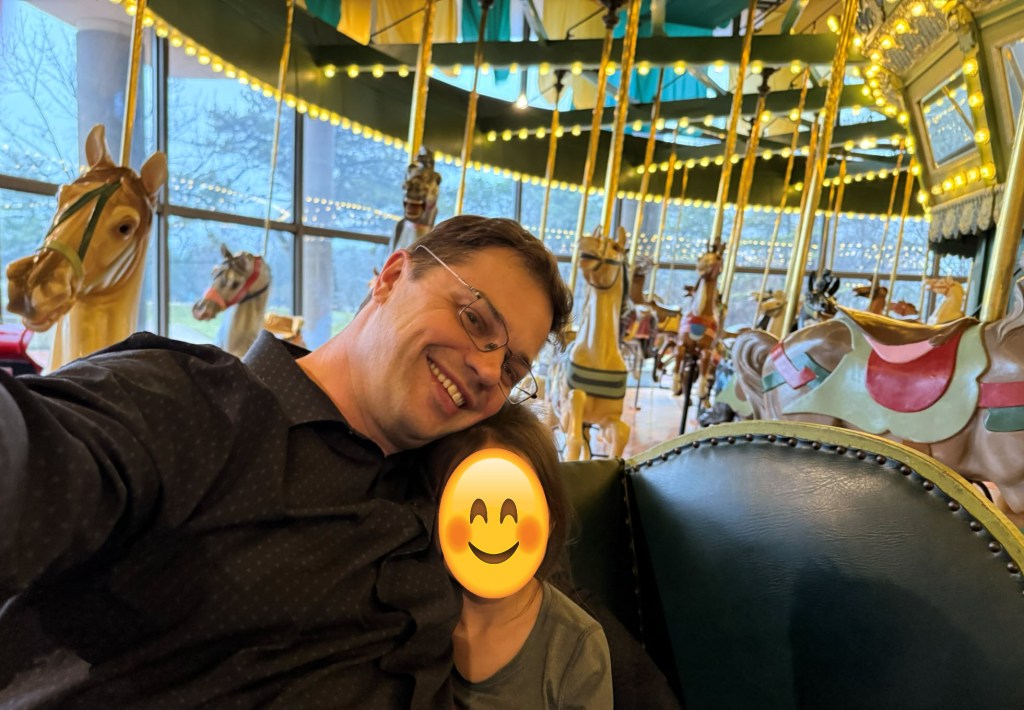
So, just to be clear, I do not work at a monastery, and I have chosen to generate offspring. So for me, it is crucial to build in time for doing less. It’s crucial to build activities into our schedule that don’t really have any purpose other than leisure, fun, relaxation, or recharging our batteries. Last month, I took some time off from work because my daughter wanted to ride the carousel. So I booked time into my schedule to do that, and we entered the game-layer.
2. Quest for Gas: The Pre-Game Adventure
We were riding the merry-go-round, but let me back up. I picked her up from school, and we were driving to the park that had a historic merry-go-round. I needed to stop and get gas. At the time, I had already started recording for this podcast. I was playing an audio text message game of chess with my friend Sarah. She had expressed anxiety about being on a podcast show, and when I asked her to record a message that says “play chess,” she ended up sending me a three-minute recording about how she was doing that day and slowly phased in the statement I was seeking. Naturally, I just texted her back, thanked her, and then created my own audio message, thus beginning our chess game podcast via text message audio recording.
3. The ICEE Expedition: Fueling Fun
As I was driving to get gas, I got out of the car and recorded a message back to Sarah. Then I went in with my daughter and bought her an ICEE, which is a very special treat in our world. I sent the audio message, not knowing that in two days my new iPhone would automatically delete it. We went to Faust Park, and I purchased three tickets each to ride the carousel repeatedly. I made videos of the carousel, and later my daughter commented on how we weren’t in the videos. I created videos about the firsthand experience because I was in the game layer; I was focused on the process and the environment more than the faces of the people around me.
4. Emotions on Replay: The Carousel Connection
What struck me the most about the experience of riding the carousel with my daughter was obviously the emotion on her face, but that was for my soul. I didn’t want a record of that to be posted on my blog or captured in my podcast. I did take a lot of pictures of her, and there is some video of her riding the carousel, but I’m not going to share that footage here, and that’s intentional.
5. Soundtrack of Play: The Symphony of Joy
The reason this moment struck me to my core is because I was creating time for fun. I was planning play into my schedule. What struck me the most about the experience was mostly the sound.
There was the canned music in the beginning, which was overpowered by the mechanical sounds of the ancient carousel lumbering across its hub. The second round on the carousel also had canned music, but it was a different song—maybe a better song. But the third round was the best. The operator fired up the old Orchestrion, a mechanical instrument slightly bigger than a piano that can synthesize an entire orchestra with reels, xylophone, real drums, real chimes, and even real trumpets.
(Now I wanted to call that a glockenspiel which does seem like a better name, but apparently a glockenspiel is just a xylophone with metal bars.)
This is the experience that I had come for—not spinning around on an old, ancient wooden horse—although I did enjoy that significantly. It was the machine—the small machine that didn’t dish out a synthesized audio recording from a hard drive. It played; it had analog motors with sticks that struck objects. It was a physical representation of the GAMELAYER.
6. Rainy Day Revelations: A Walk Back to Base
After we got off the merry-go-round, my daughter and I were outside walking back to the van in the rain. I noticed a different energy about her. She was commenting nonchalantly about the pavement and the grass. And she turned around and looked at the building that contained the massive artifact of play. She said something that, to a six-year-old, is a comedic masterpiece: something about those people getting to live in there—that must be so fun! I agreed with her even though I knew I wasn’t understanding that statement on the level she was.
7. Heart-to-Heart Co-op: Building Bonds Through Play
My daughter turned and told me that she loved me, and I told her I loved her too, because I do. She asked me to carry her, which is basically her way of asking for a hug. So I carried her through the rain back to the van, and we spoke openly and freely, and our hearts connected through our words. And in the tone of her voice, I could tell that I had made a difference. I had put her needs ahead of my needs; in that way, we became better friends—we became closer. I built trust with her; I made time for her, I created empty space so that she could play.
8. The Missing AudioQuest: ~ Will Sarah Save Our Game?
Oh, and the audio recordings that my phone deleted? I think Sarah has those—or at least she said she does! We’ll see if she makes the choice to share them back with me so that I can add them into our audio-chat-message cat phone tag game of chess radio show episode of GAMELAYER.
Thanks Perplexity
I would like to personally thank Perplexity.ai for helping me shape this up for readability without changing my message, writing style, nor tone.
“What’s the passcode? Carry me. Carry weary.” [What I mean to say is I want a hug from you daddy.]
Near the end of 2024, I developed an idea to create a blog post celebrating all the achievements from the year. I wanted to pause and recognize all the accomplishments I had achieved. As I reflected, I thought about things I had written or not written about throughout the year that I could highlight.
However, instead of actually writing the blog post, I paused and spent an enormous amount of time with my family, you can read about that and see the glorious pictures at the end of this post under Family Time Adventure.
Think about moments you could have celebrated but didn’t. How can you make celebration a regular part of your daily routine?
Professional Growth
We recently had significant turnover at work, and an engagement expertise facilitator, Tanya Zion came in via AAIM HR group to help us navigate some big transitions. The sessions were insightful, blending professional and personal development with focus groups and facilitated sessions that resembled group therapy. One message that Zion emphasized repeatedly resonated with me:
It is important that you remember to pause and celebrate after a significant accomplishment.
Often, we’re so focused on fixing problems and completing tasks that we forget to celebrate how far we’ve come. That idea stuck with me throughout the year and inspired this blog post.
Reflection on an Eventful Year
I want to pause and recall some of the achievements I accomplished in 2024. If you get anything from this post it should be that No accomplishment is too small to celebrate. You don’t have to buy yourself a car or go to the islands on a boat. Stop, take a deep breath, and shout, “Yeah, I did that!”
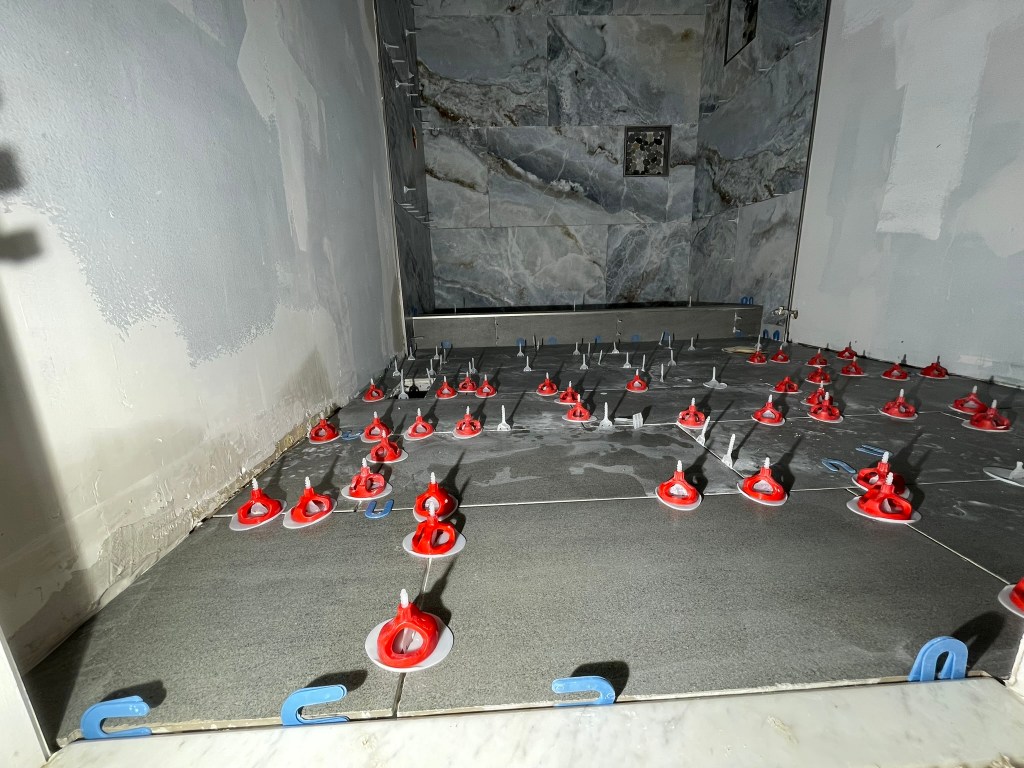
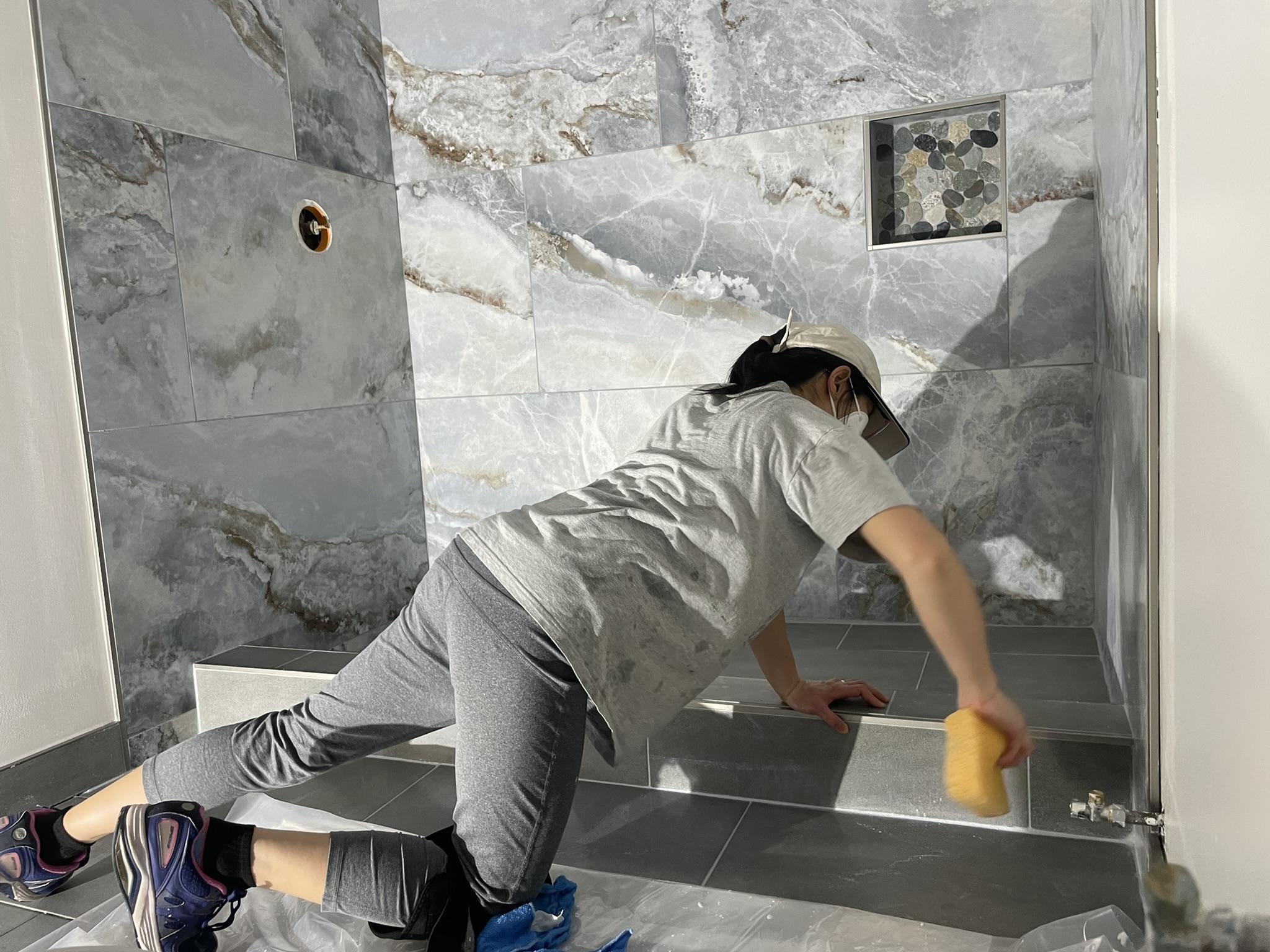
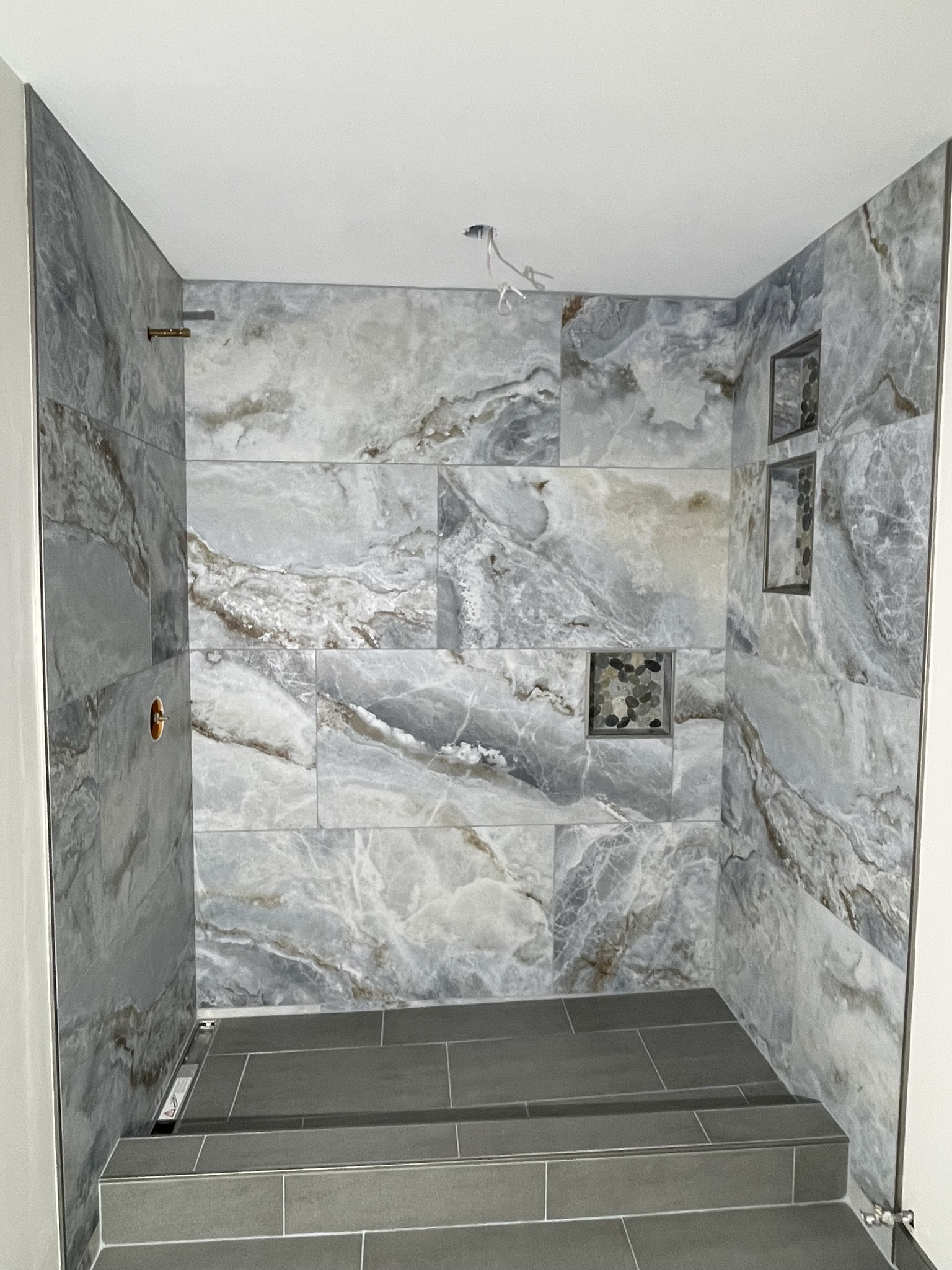
It’s easy to dwell on missed goals or failures. It’s challenging to be proud of achievements and celebrate the wins. Completing the tile work in our bathroom was one of those wins. As I admired the finished product, my five-year-old daughter walked in and exclaimed, “Wow, it looks so good, Daddy. Are you proud?”
I responded, “Yes, honey. I’m proud. This was hard work. It wasn’t easy for me, but I did it anyway. I finished the job.”
More Thoughts
Reflecting on 2024 reminds me of the value of pausing to appreciate our progress. We often achieve things that would have been unimaginable to our past selves. It’s important to recognize and celebrate these moments—not just for ourselves but to inspire those around us.
A contact/ mentor of mine named, Caitlin Johnson, talks about making our goals into quests. Her mission is to explore gamifying not only business strategy but our personal/professional goals. This concept works perfectly with my ideas of using Novelty to Bend Time and to me extends into the concept of artmaking as a process of religious practice.
Here’s to celebrating 2024 and looking forward to new milestones in 2025! Thank you if you made it this far, take a moment to scroll down and view the absolute novelty of my last 2 weeks of 2024, and why I chose to write this post to open up 2025, and not close 2024.
Family Time Adventure
So, first things last. I want to share what I did instead of writing this blog post before 2025 started. I attended family gatherings for the holidays, played video games with my kids, tiled and grouted a bathroom, and took several impromptu vacations.
In retrospect, the novelty of those 2 weeks could have filled five months of a normal year. When my kids were meant to return to school, several snow days extended the joy of that time. The past three weeks alone have given me plenty to celebrate.
Cooking and Crafting
Creepy Tunnel
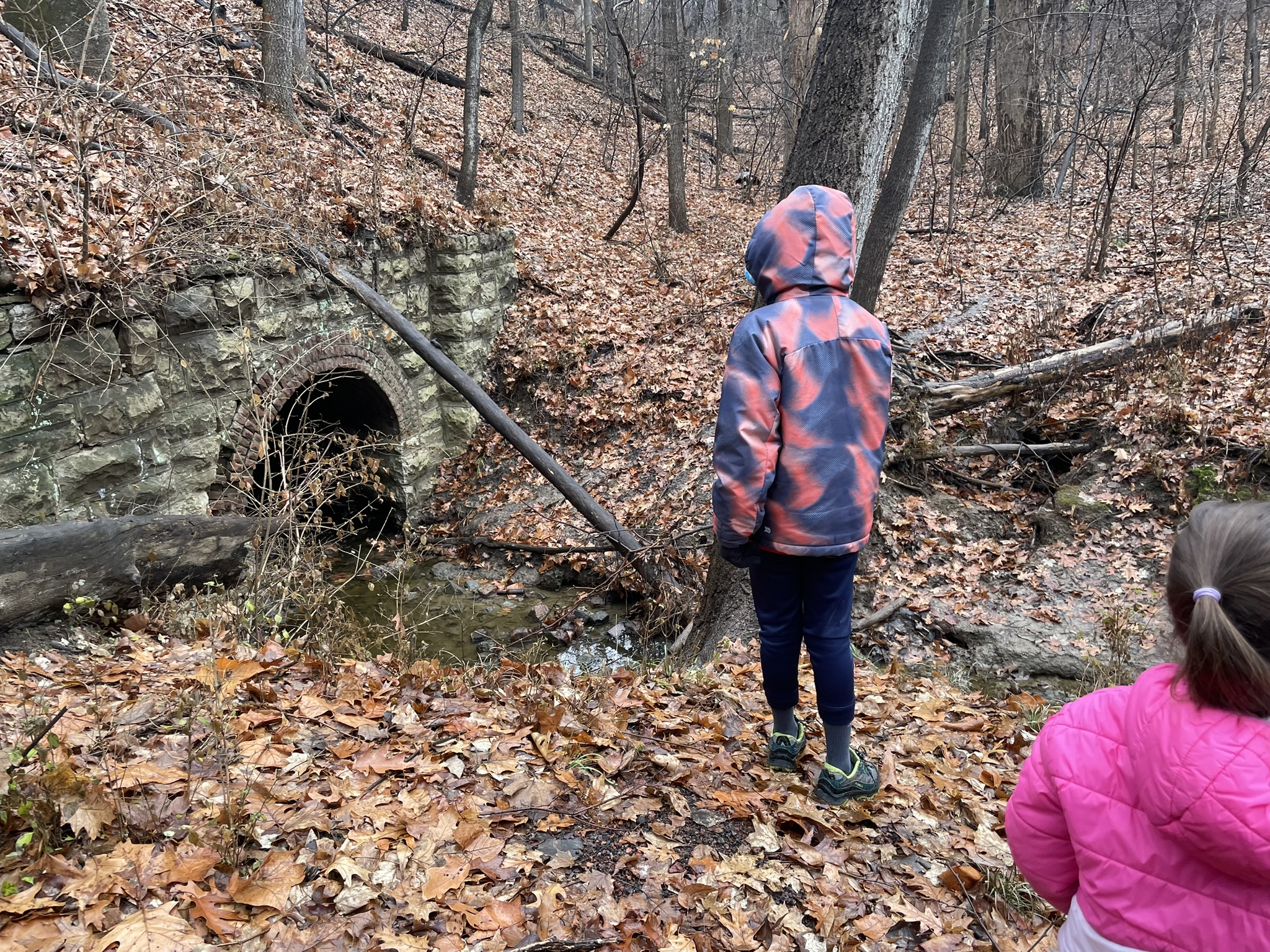
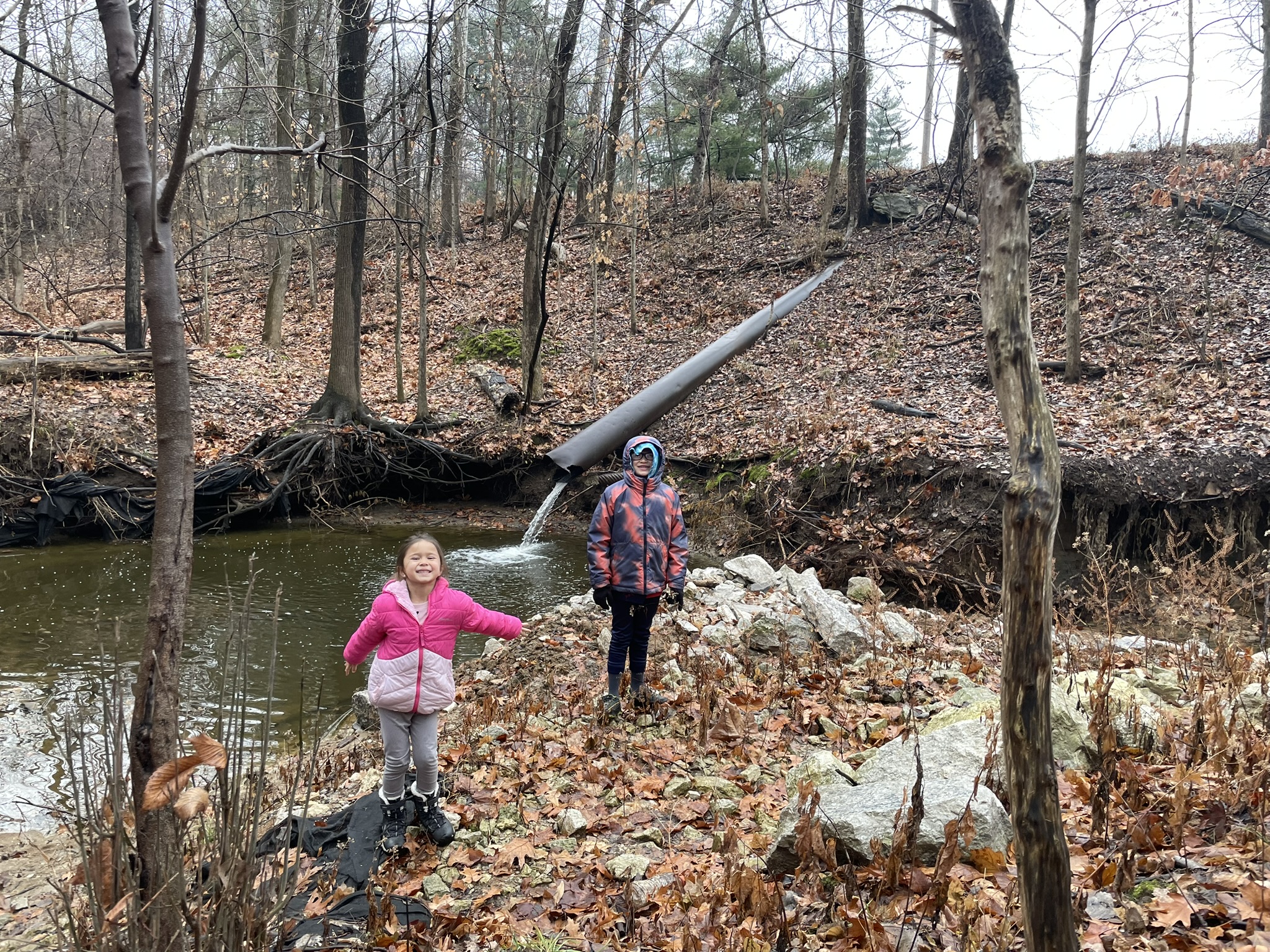
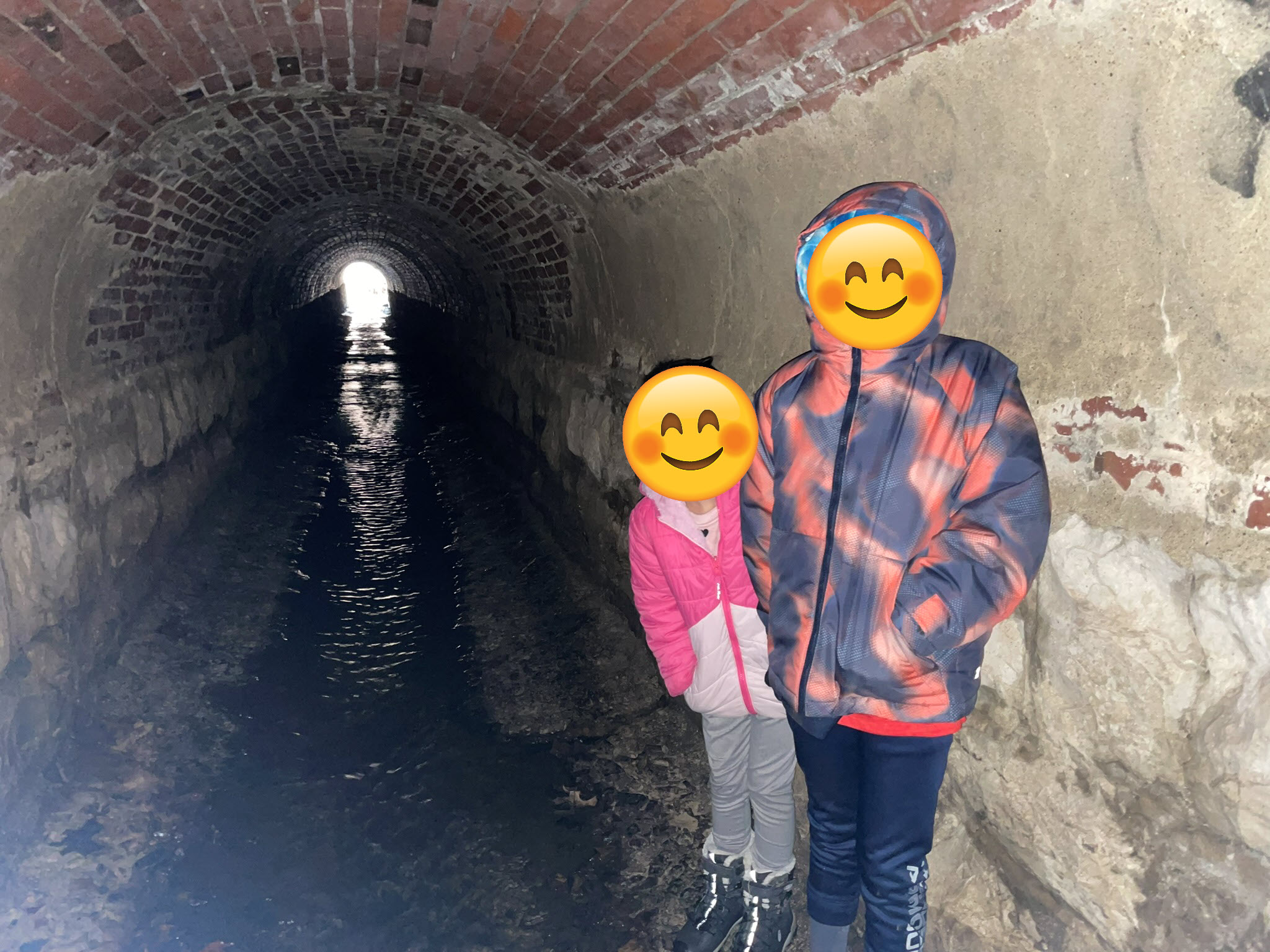
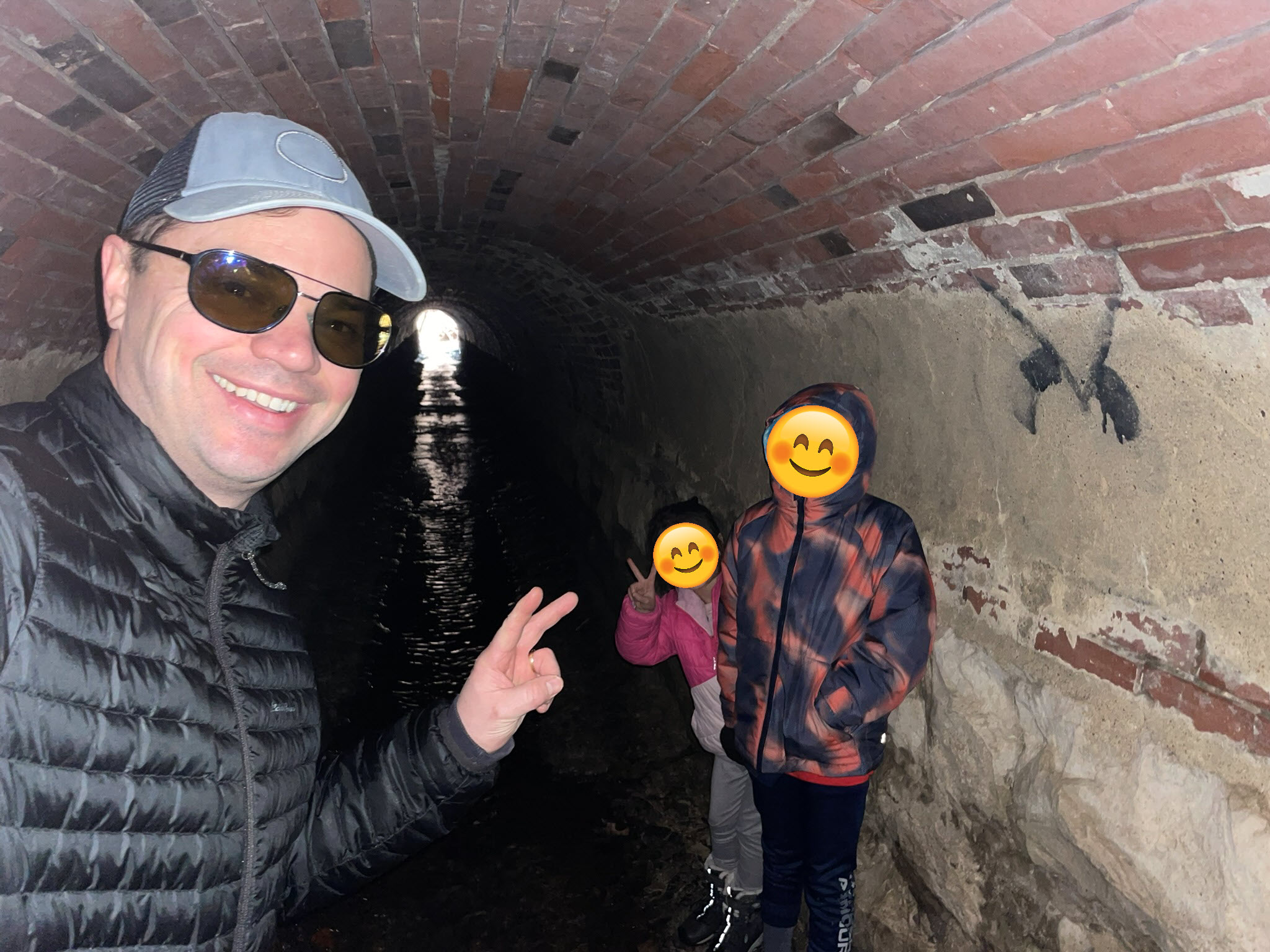
A random adventure I generated in the moment was a hike on the infamous Bootlegger’s Trail. We even found that creepy old-time brick tunnel that our pathologist neighbor Jim had warned us about!
Gravity Paintings
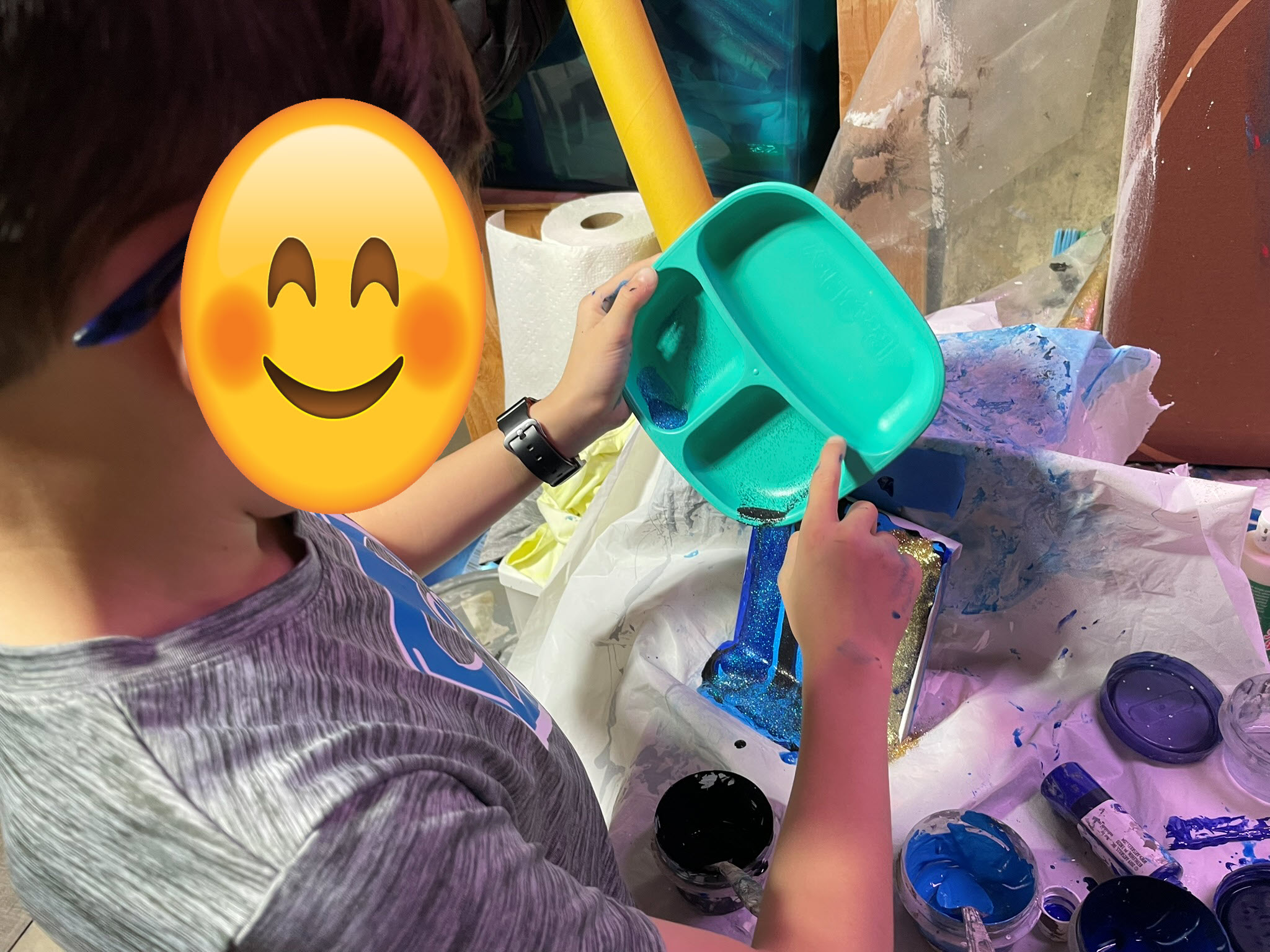
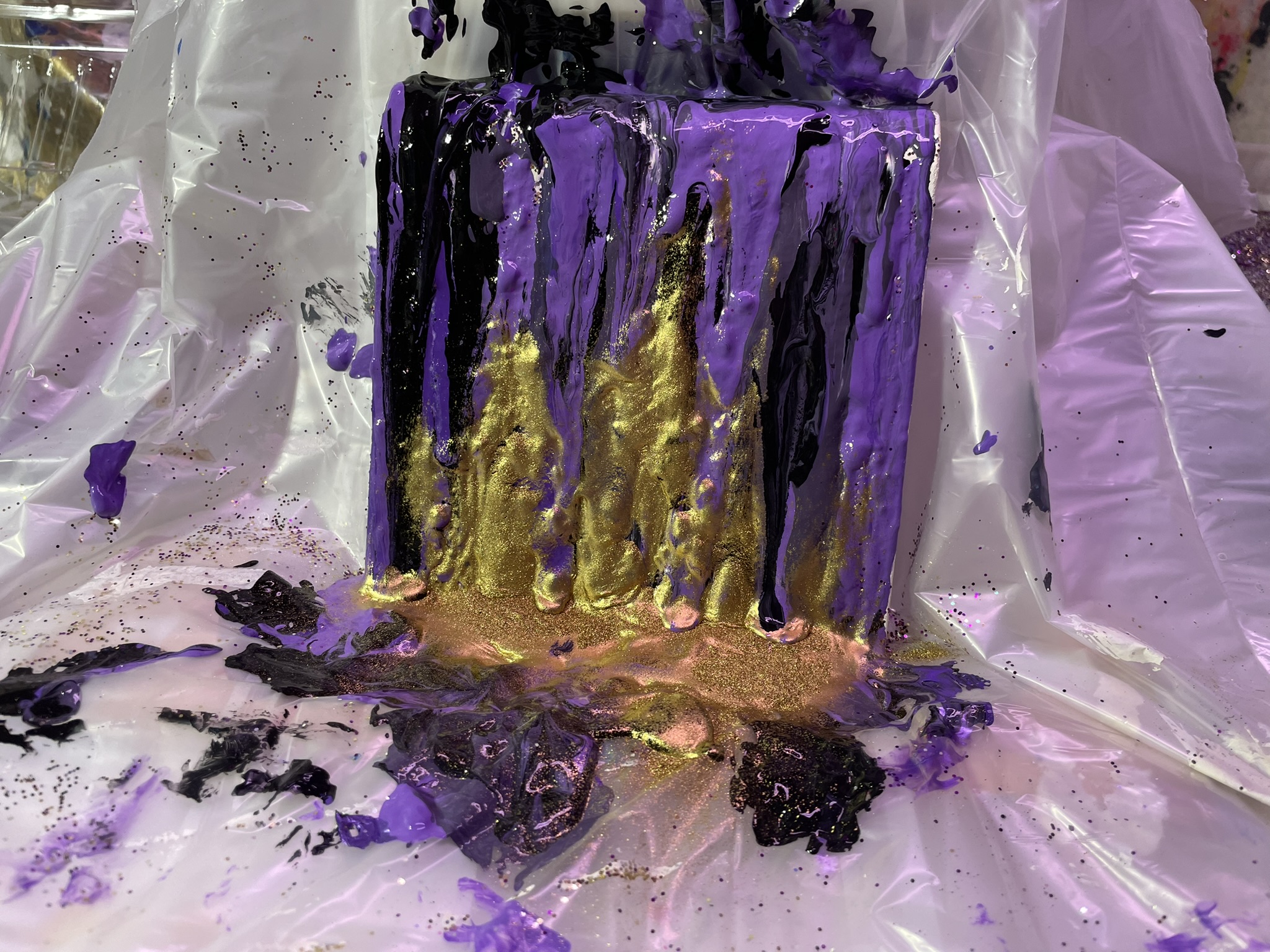
At one point my kids asked if we could make gravity paintings like Daddy does. I said Let’s do that and use the old ceramic tiles we found on Uncle Mark’s farm! #Novelty!
Art in the Woods
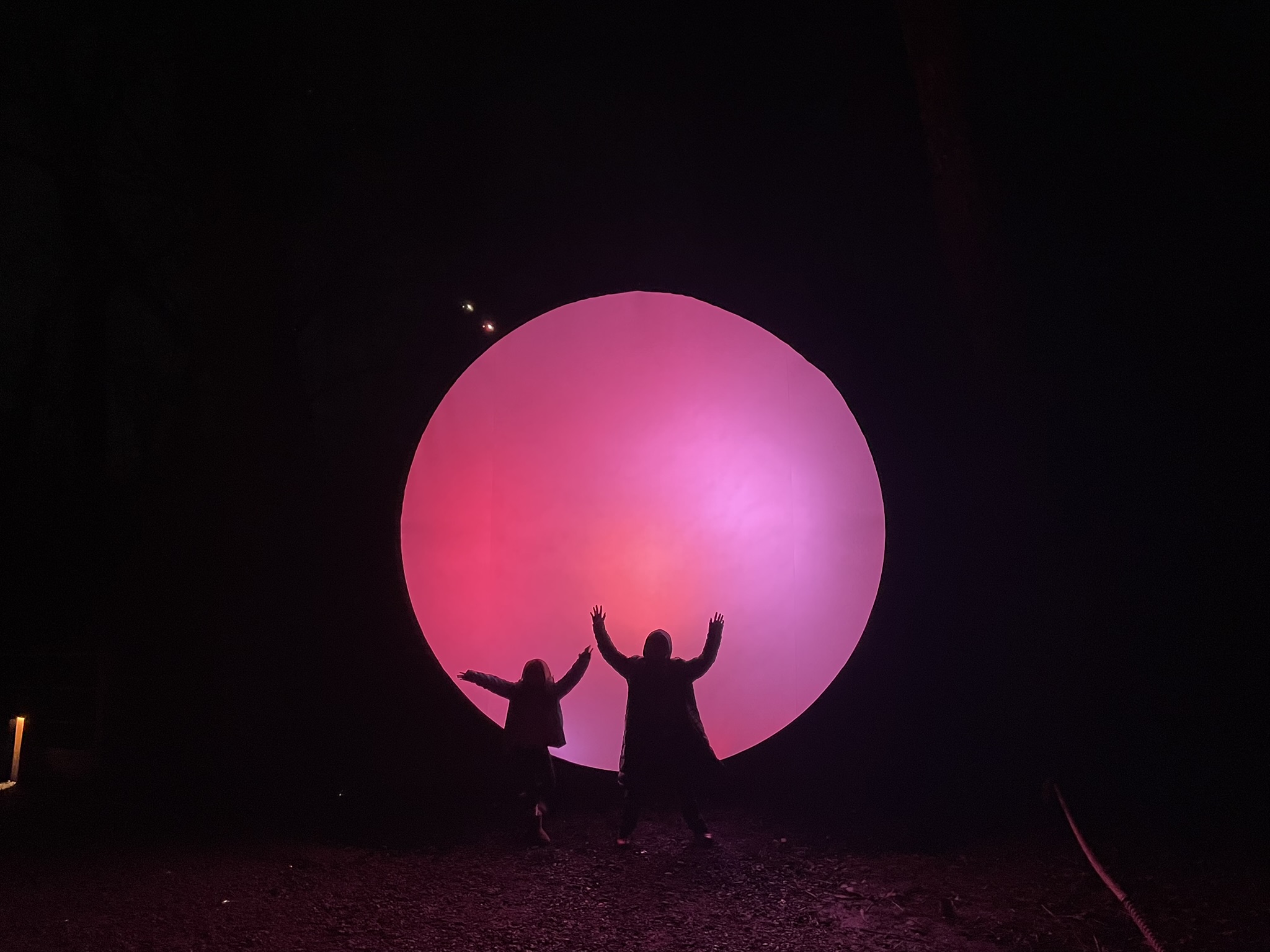
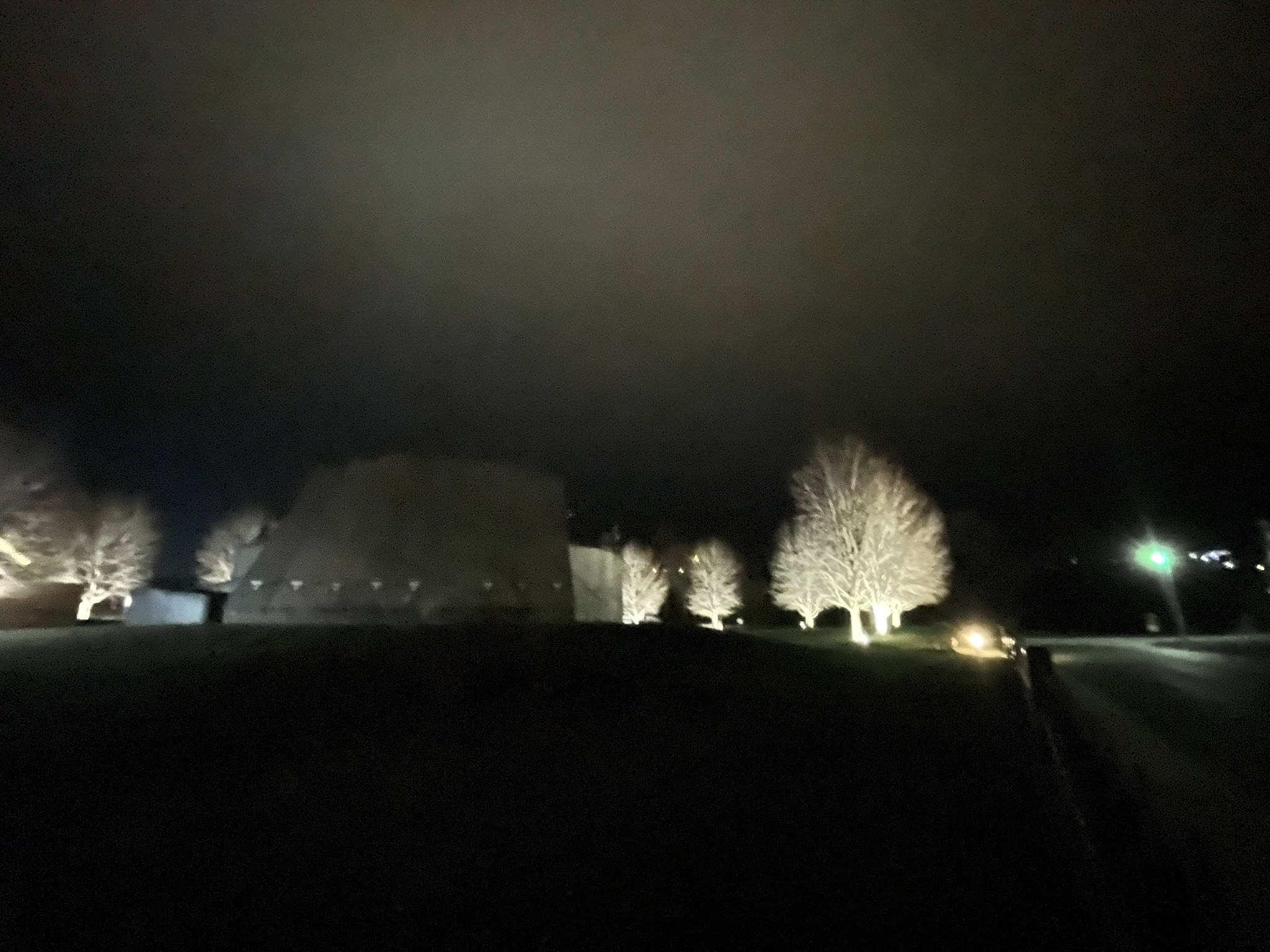
I kept seeing advertisements for a local light installation so I randomly invited friends of the family and we all went out. I took a lot of video of the Light Cycles show, and I will post that below the pictures!
Video of Art in the Woods
Here is some video of that show.
Train to Germantown!
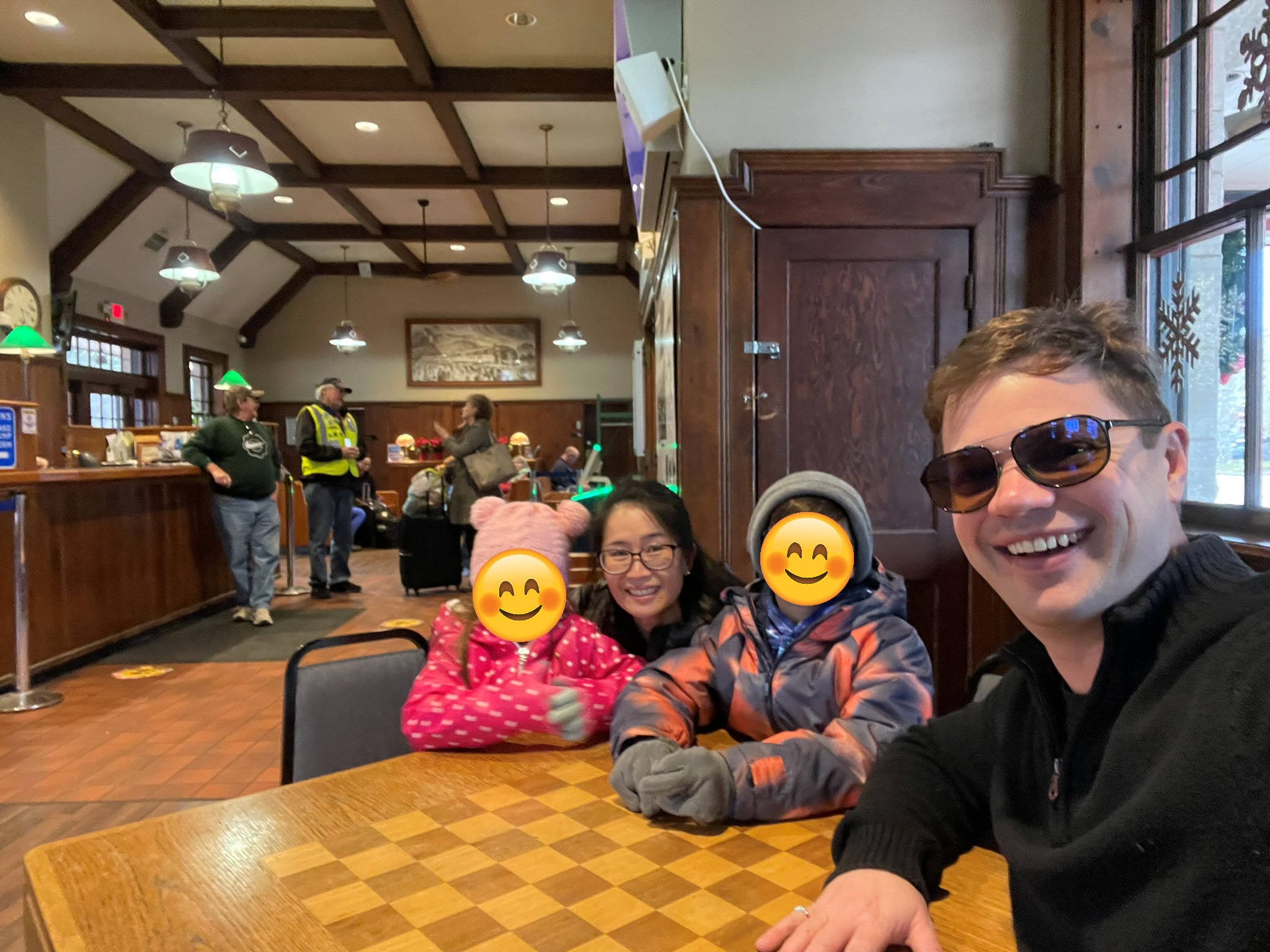
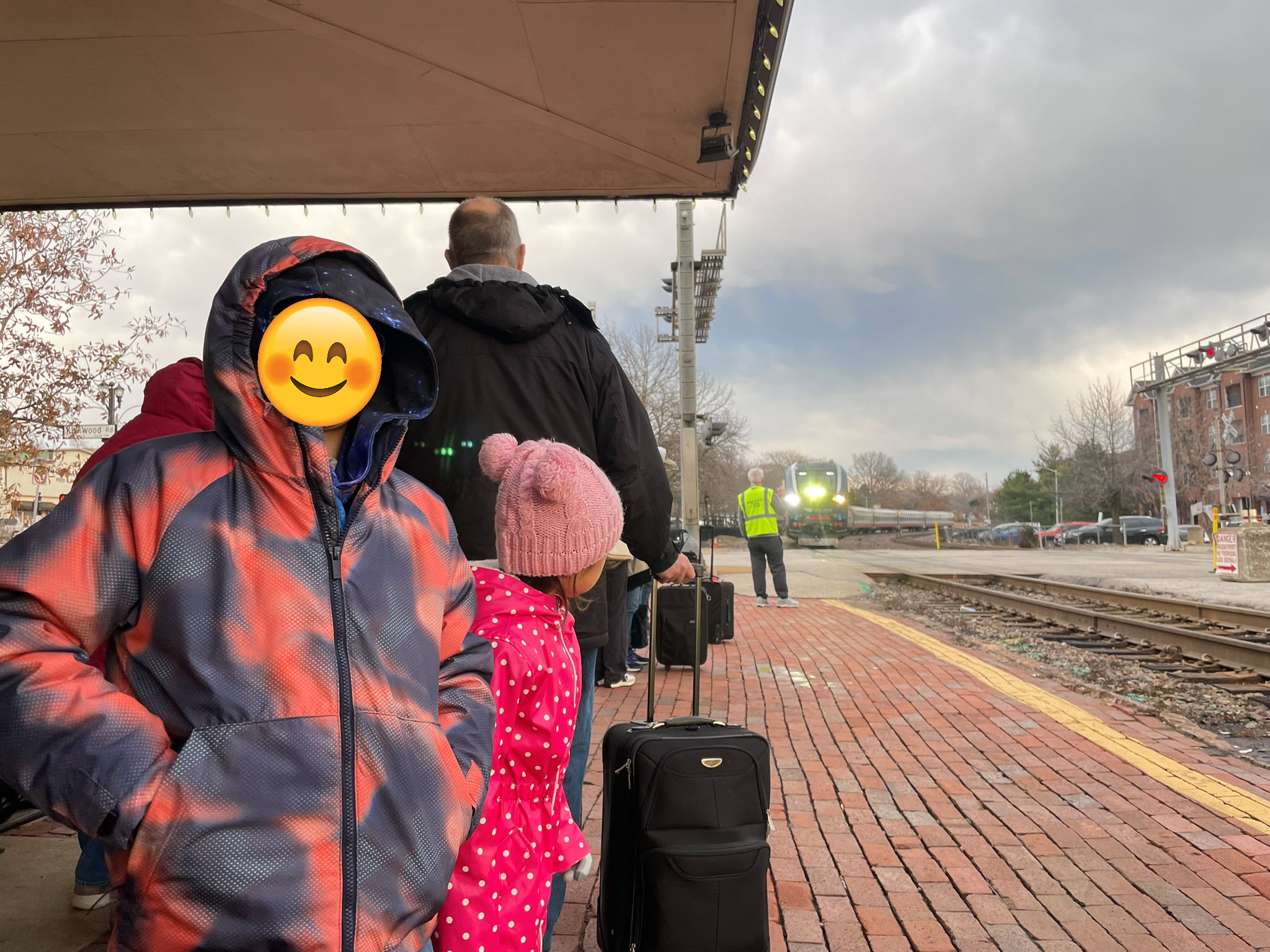
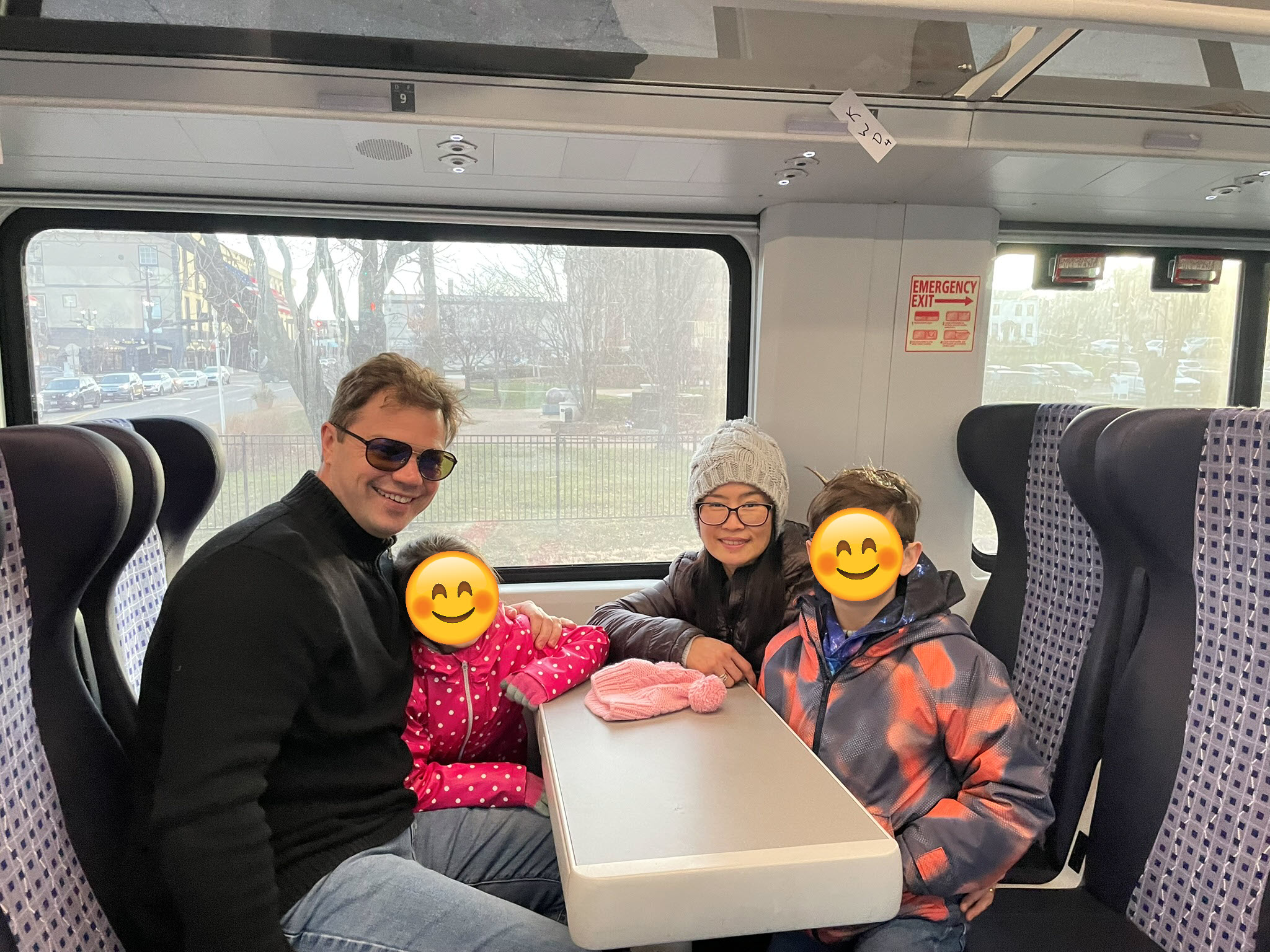
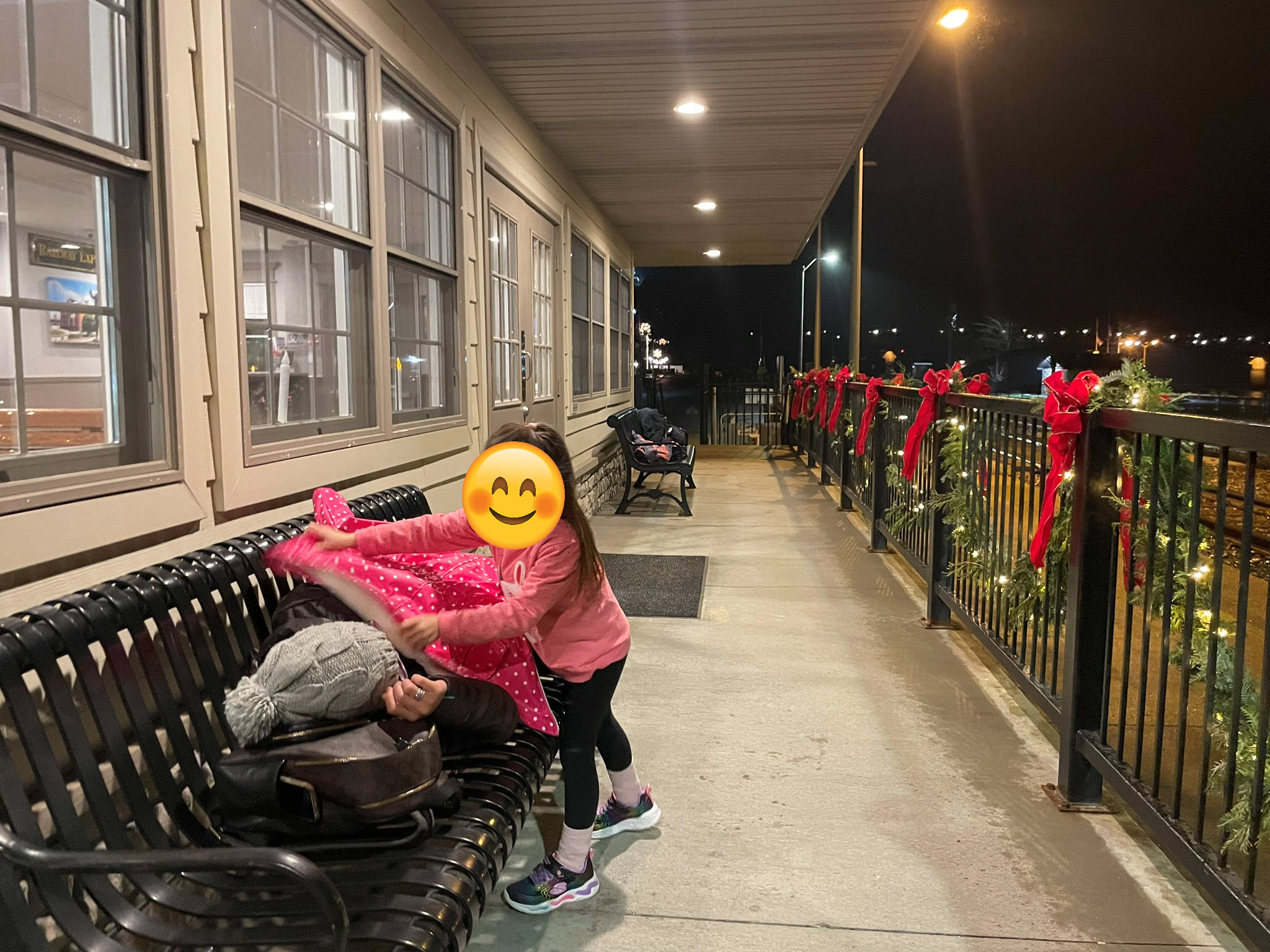
Somewhere in the middle of the winter break from school, we took a train ride to a local treasure: Hermann, Missouri. Hermann is a small town in rural Missouri that was built by German immigrants in 1837 who initiated grape growing for wine in the rolling MO hills, but more importantly here AMTRAK goes there. So we bought a round trip and exposed the kids to trains!
Thai Style for New Years!
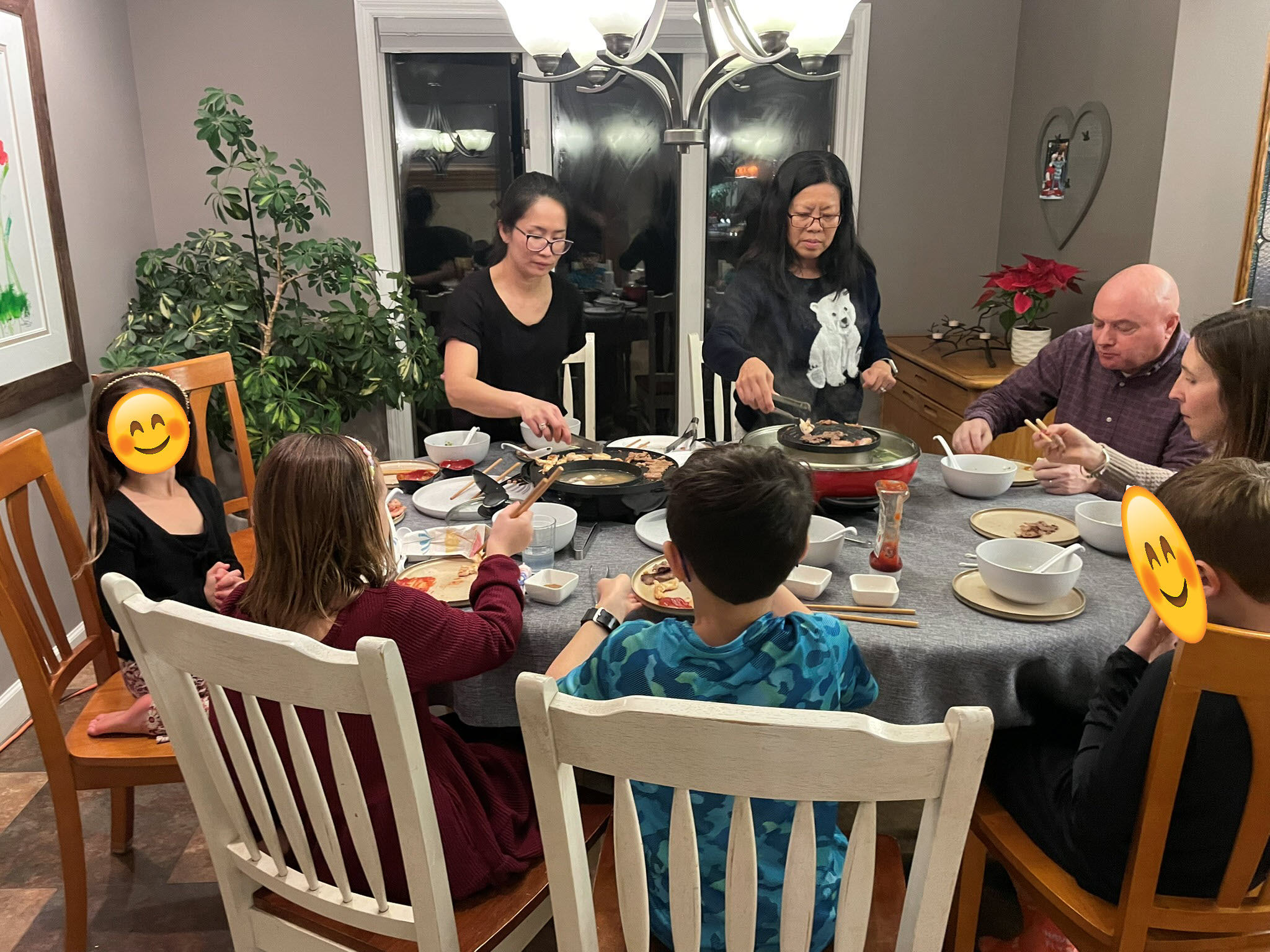
We were really in the mood for the Thai version of Korean BBQ. In Thai, this is called MU-GRA-TA หมูกระทะ. We have an electric version that also simulates the infamous Chinese “HOT POT.”
In the pictures above there is a handsome devil who also happens to be bald. He is known as The Bobby. During this New Year’s Eve party, he mentioned a great meteor shower that would fly across the sky for days. That is important later when he decides to return to bed instead of going out in sub-zero temperatures to see the meteor shower covered by clouds.
4 Foot Porcelain Tile!
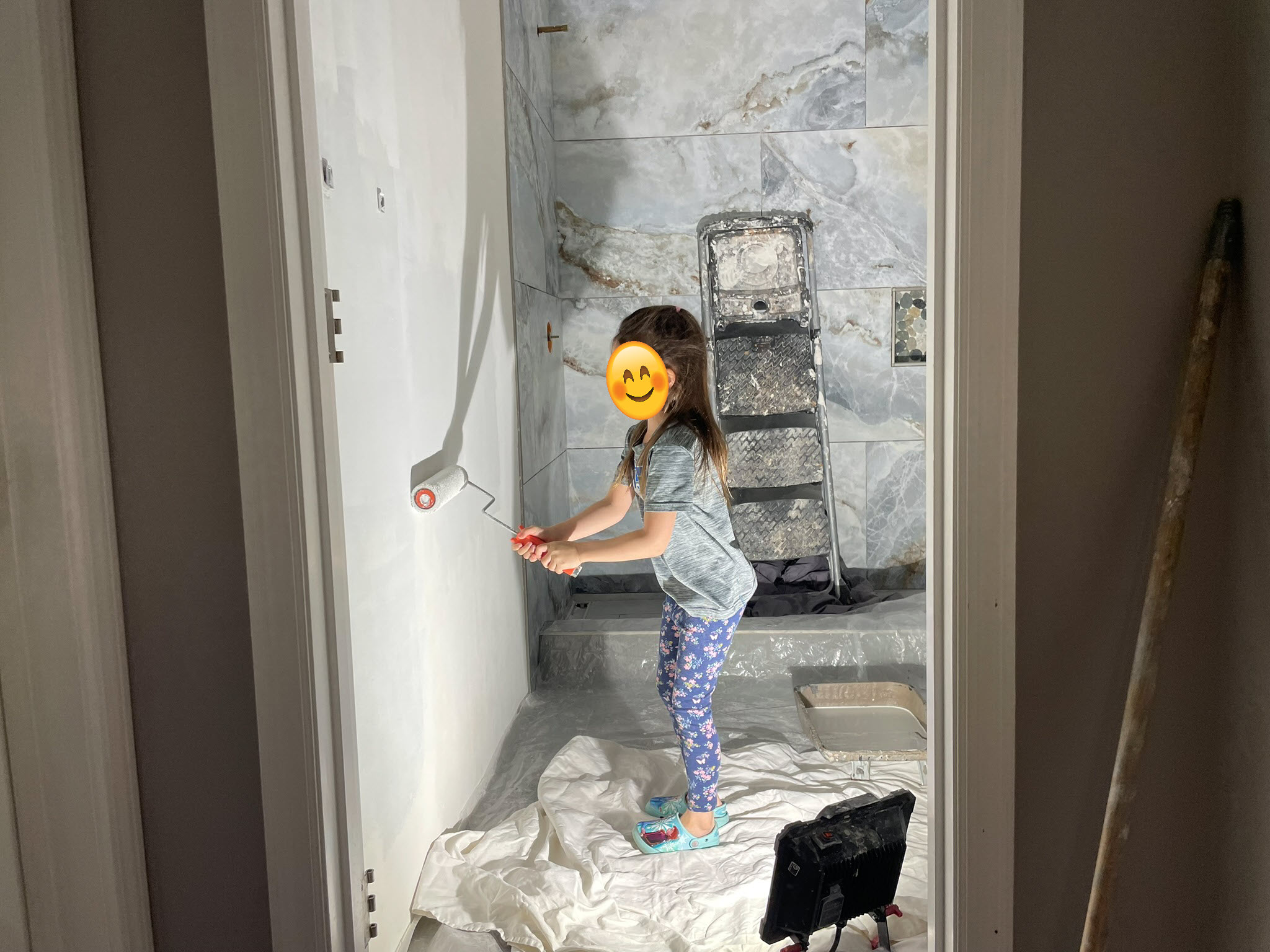
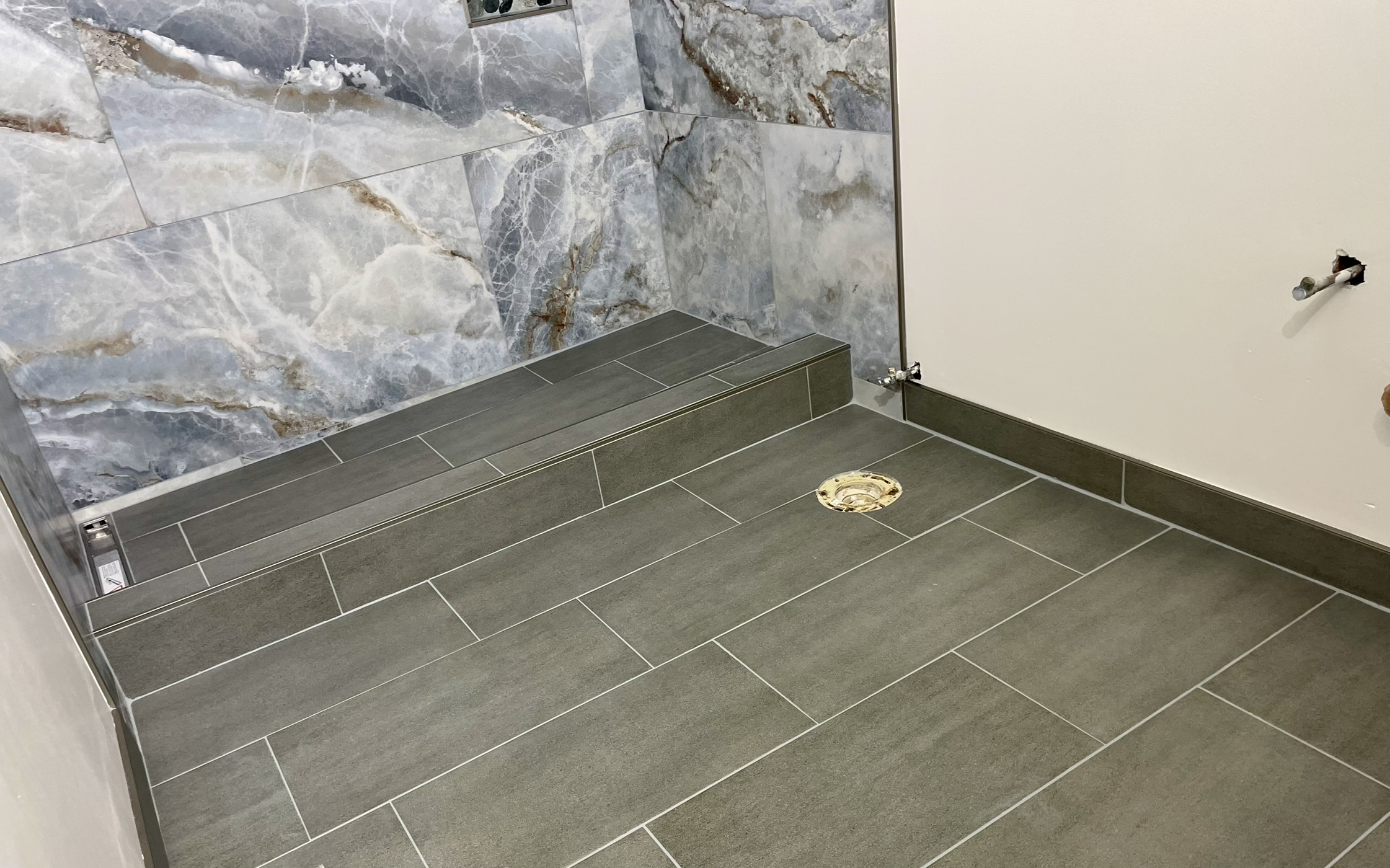
So, I haven’t said much about this on this blog, but it has taken over my FaceBook account. I have been laying tile in our hall bath. So, the hall bath started leaking. I tried to fix it and then it didn’t hold so I just ripped out the whole room and expanded the ceiling. The main highlight for me of the last few weeks of the year was completing all the tile and grout in that hall bathroom project, and preparing it for a glass door installation.
If you can’t tell from the pictures that was a pretty big project. I listened to the Case 63 podcast when prepping the floor. and then I listened to it again when laying the tile! It felt like I was a new person with a new task. Listen to the podcast if you don’t know why that is awesome!
Listen to Case 63!
OK, Yes Betty, you are right. AAAH, Thank you to the great Betty Dannewitz for recommending this amazing Podcast that I listened to back-to-back in 2 days on 2 separate occasions. (OK OK). …And.. Betty is my #1. (Apart from my family.)
Seriously that podcast is RAD.
New Years had passed but we still had a whole weekend before school and work started back up!
The Final Weekend
So do you recall Bobby the Bald, that handsome devil? We had plans to wake up at 2:30AM (much thanks to Bobby) to view a meteor shower, but it was cloudy when we woke up and our friends (Ahem Bobby) canceled on us. So, to celebrate completing the tile and grout work, we spontaneously got in the car at three in the morning to watch a meteor shower. Unfortunately, it was cloudy, instead of turning back, we drove across several states to Cincinnati, Ohio.
Planning as We Went
We had no plan and it was an amazing vacation. On the way, we booked a hotel and spent just a single day in the city.
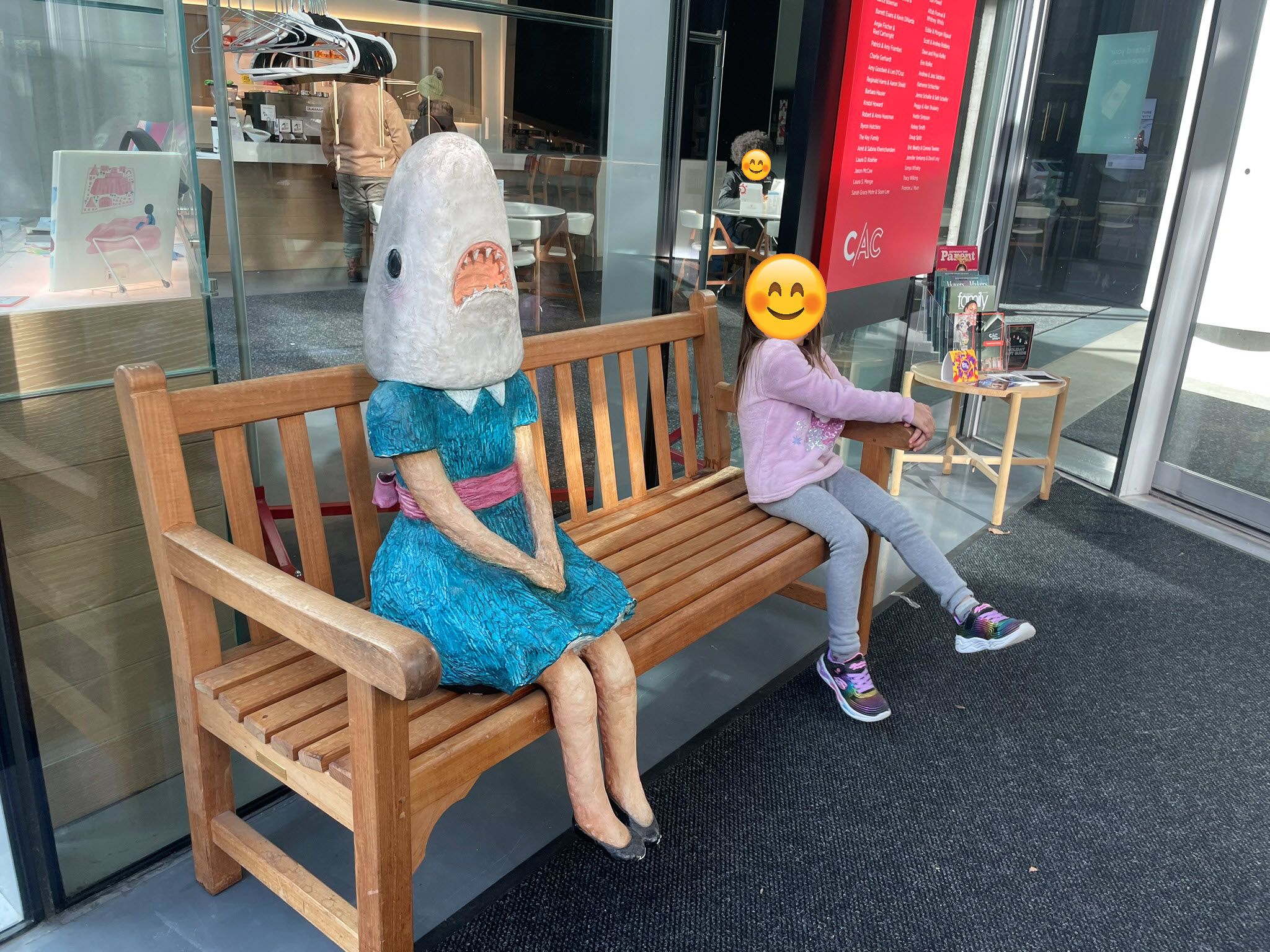
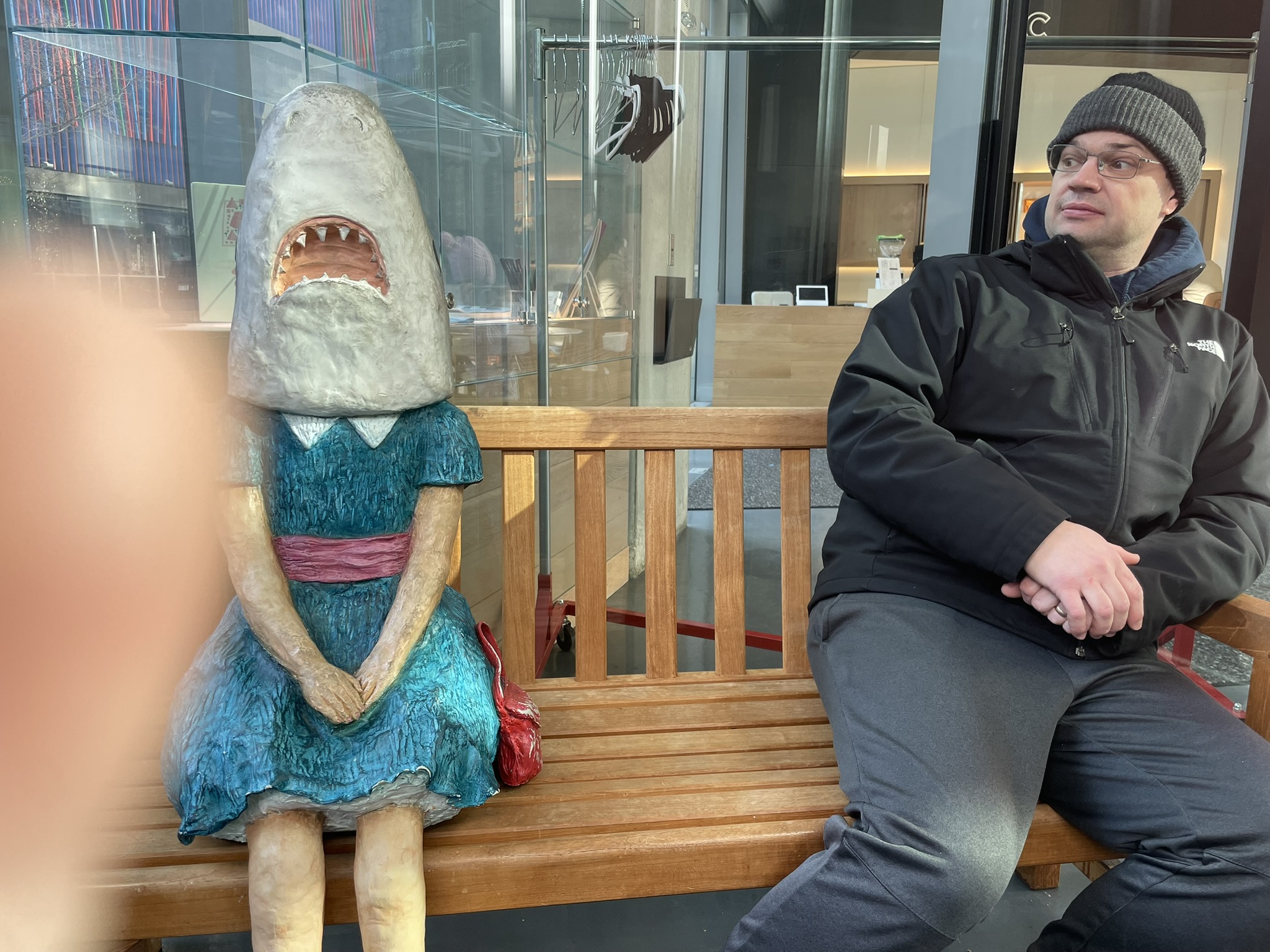
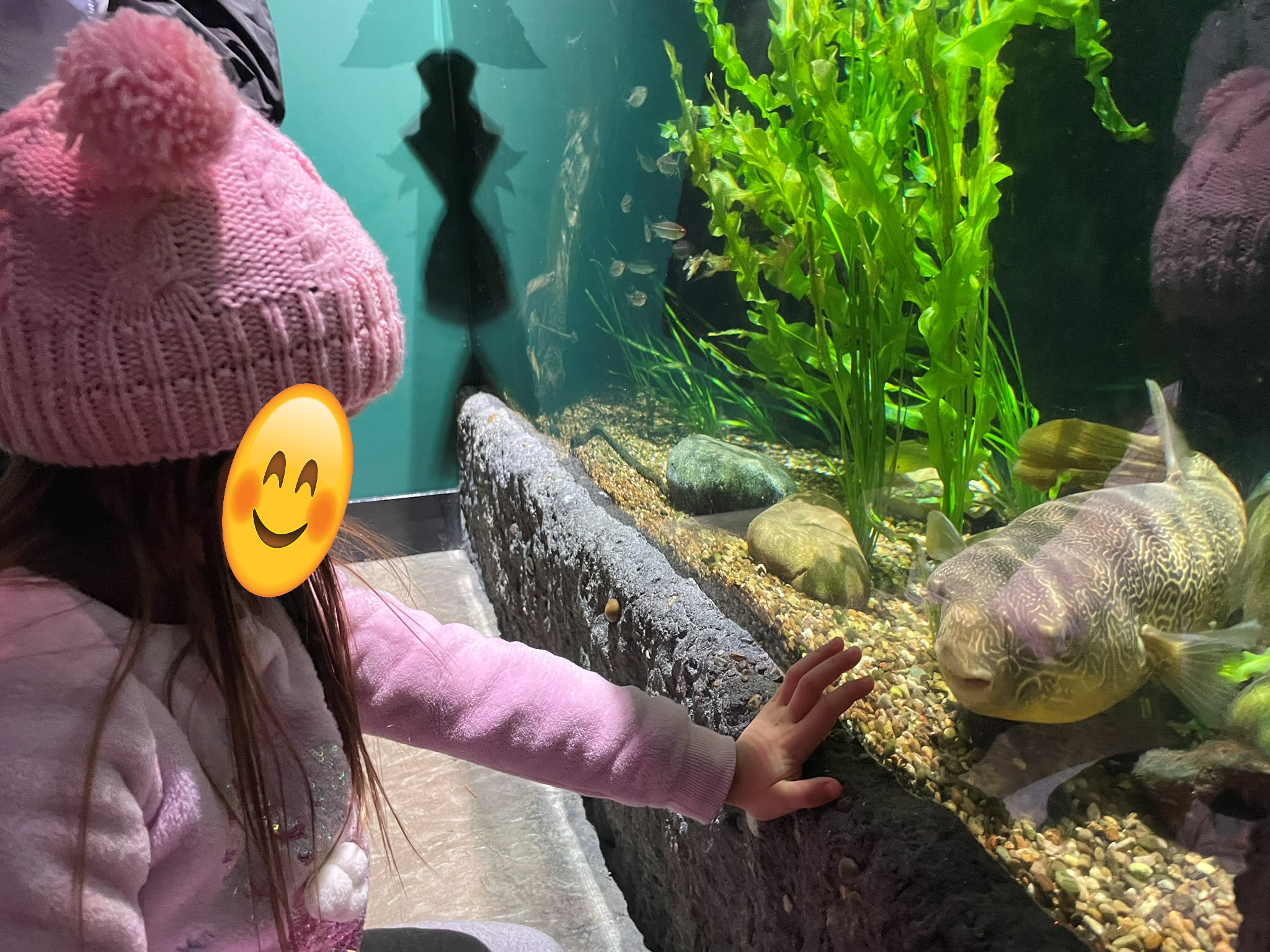
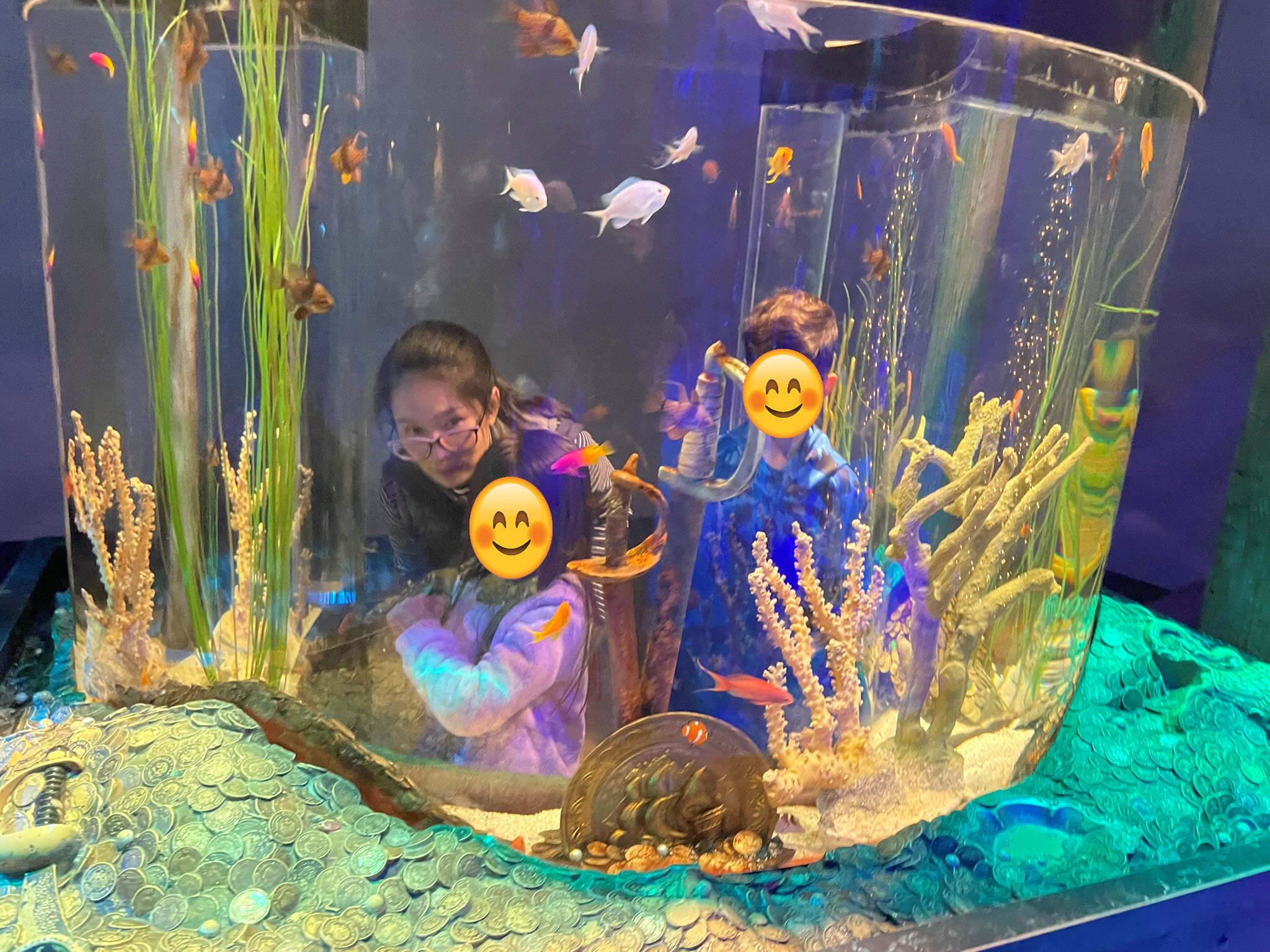
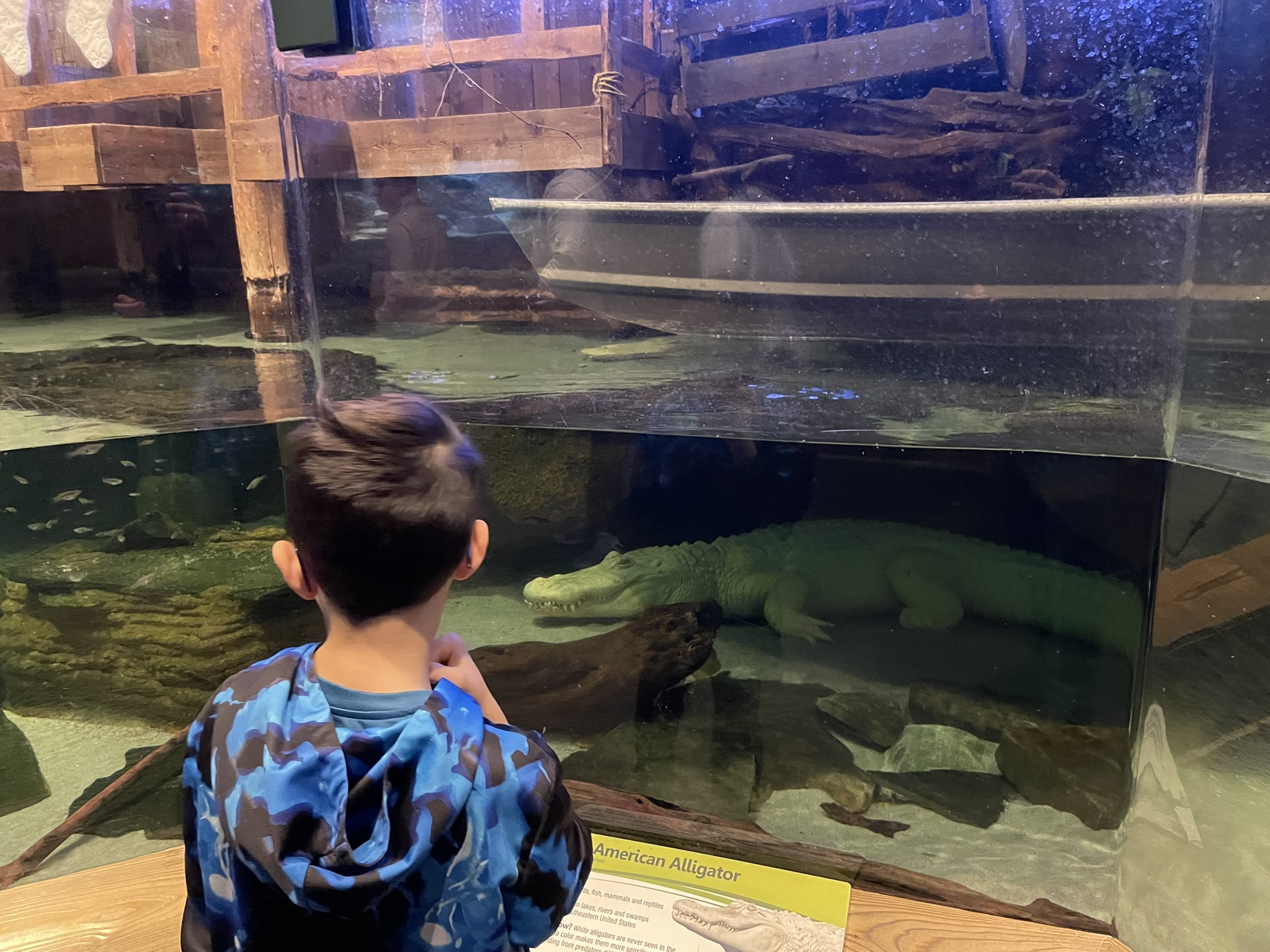
Next, we went to the aquarium, petted stingrays, and saw sharks, sea turtles, and a fascinating creature I had never heard of: the stingray shark. I’m still not convinced it wasn’t a robot, but it looked impressively real.
And I also took some other pictures at the aquarium…
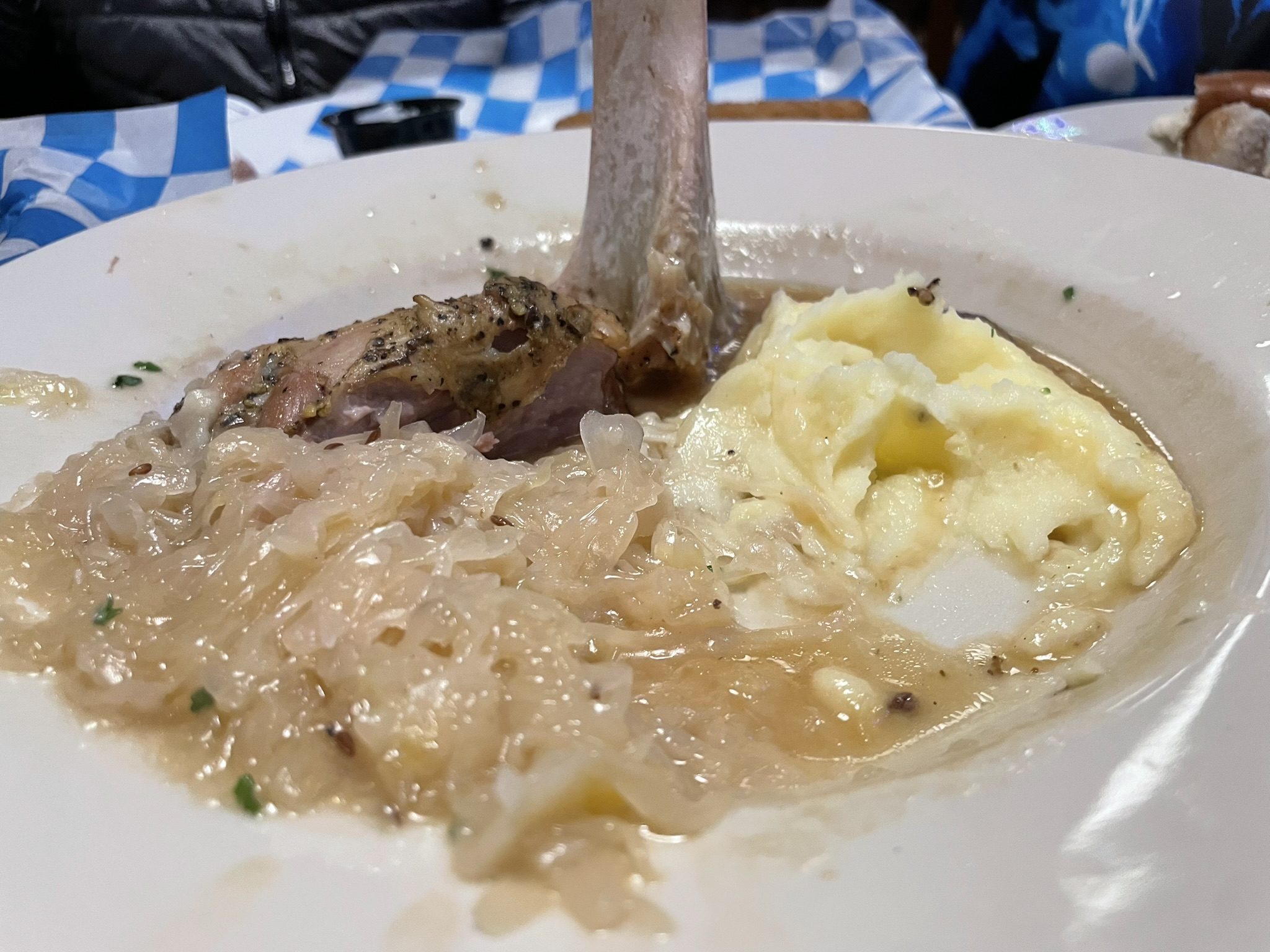
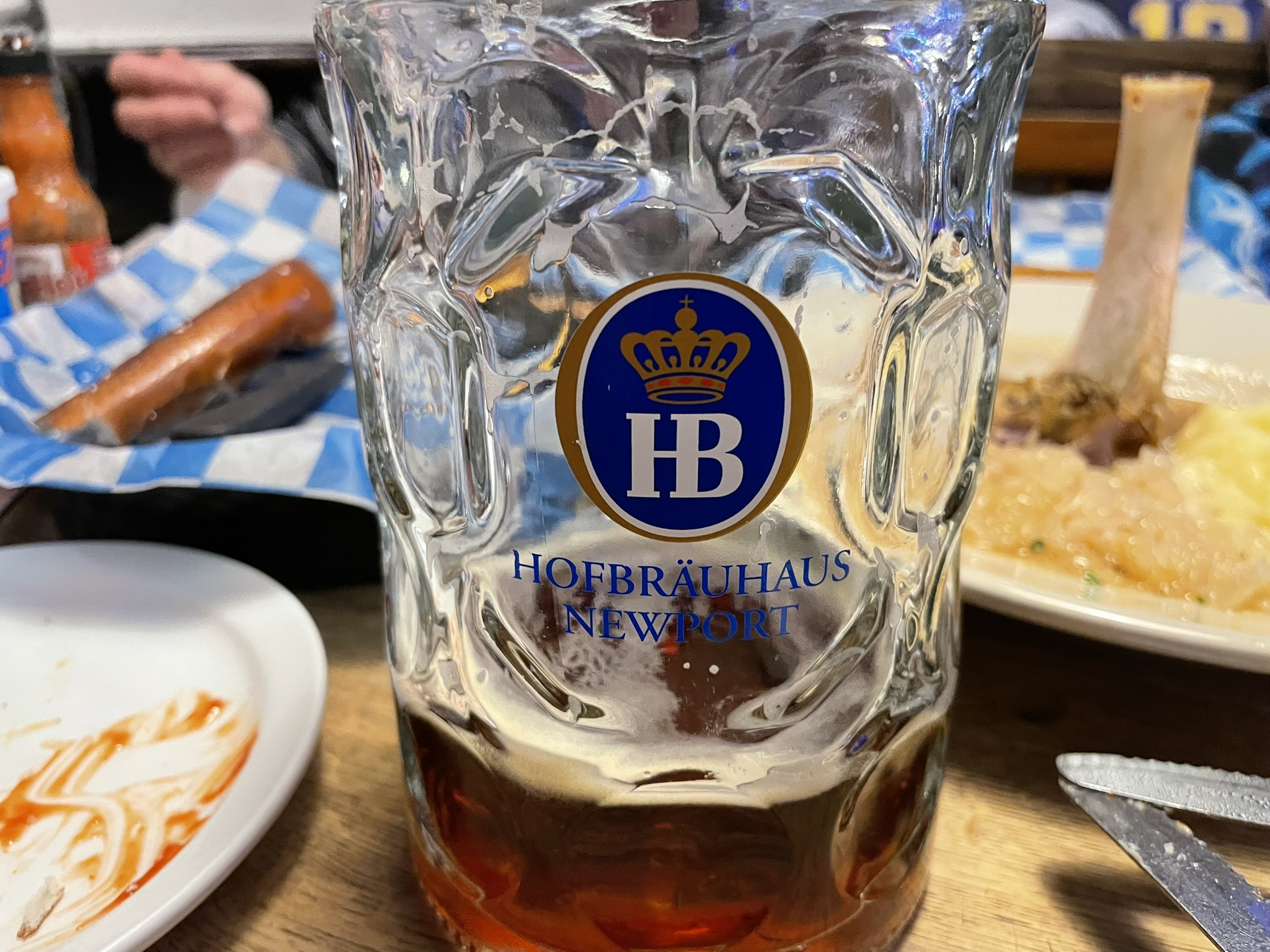
Who is Hungry?
This was technically not in Ohio, It was across the river in Newport, Kentucky. Right next door to the German Brewhause Hofbräuhaus! Perfect!
Ice Skating
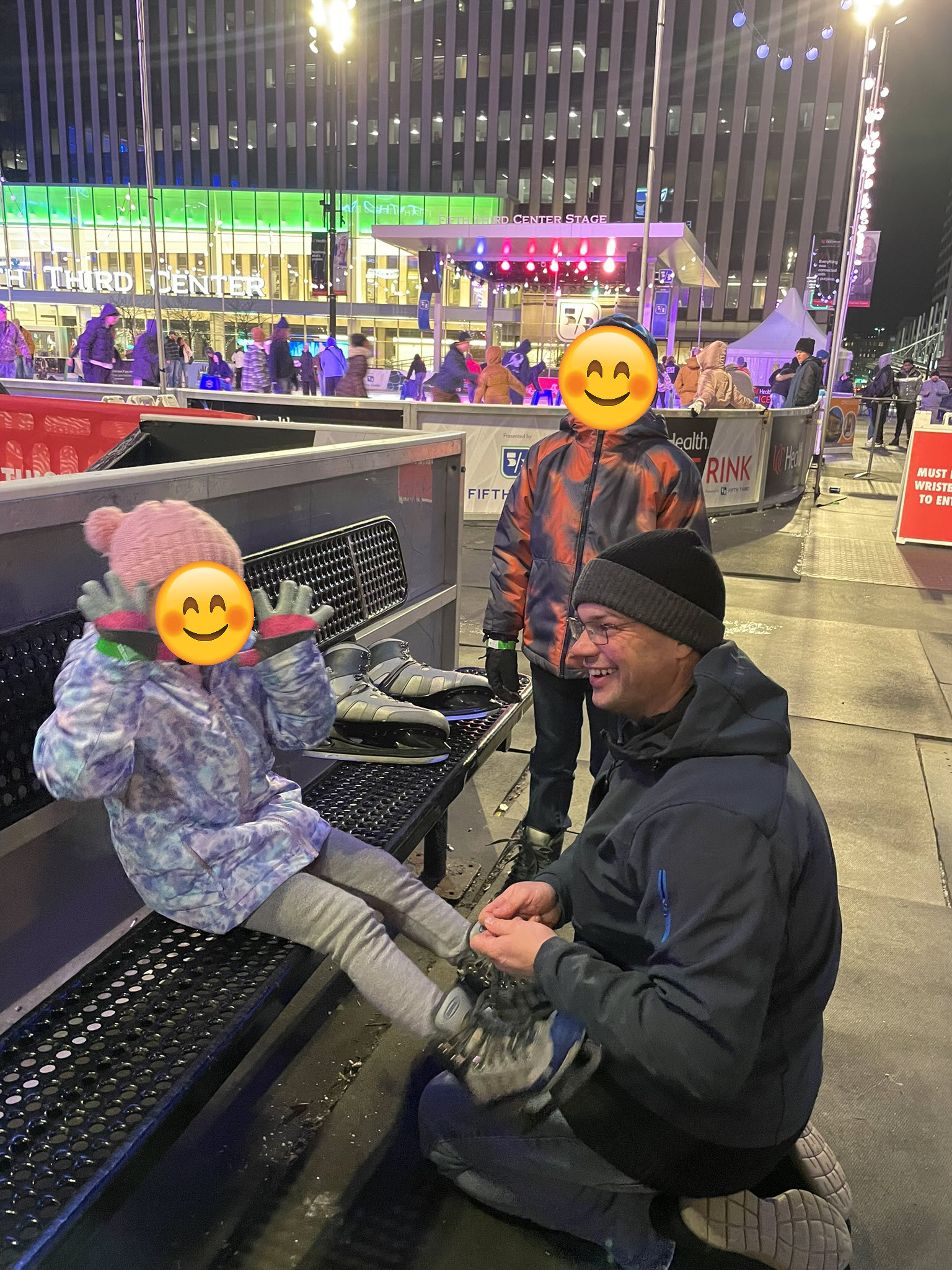
Our hotel room in downtown Cincinnati overlooked Fountain Square, where there was an ice-skating rink.
Even though we were practically running on fumes from waking up at 2:30 a.m. Central Time, we went ice-skating. The ice was so rough it looked like a layer of fresh snow had fallen on it. Despite the poor conditions, it was the best ice-skating experience of my life.
Keep on Ramblin’
The next day, we woke up at 2:30 a.m. again and raced back to St. Louis, Missouri, to avoid a snowstorm. We didn’t avoid it, though, and drove for miles on snow-covered highways. That in itself was an adventure, but the Odyssey didn’t let us down!
We Need an Igloo in All of this Snow
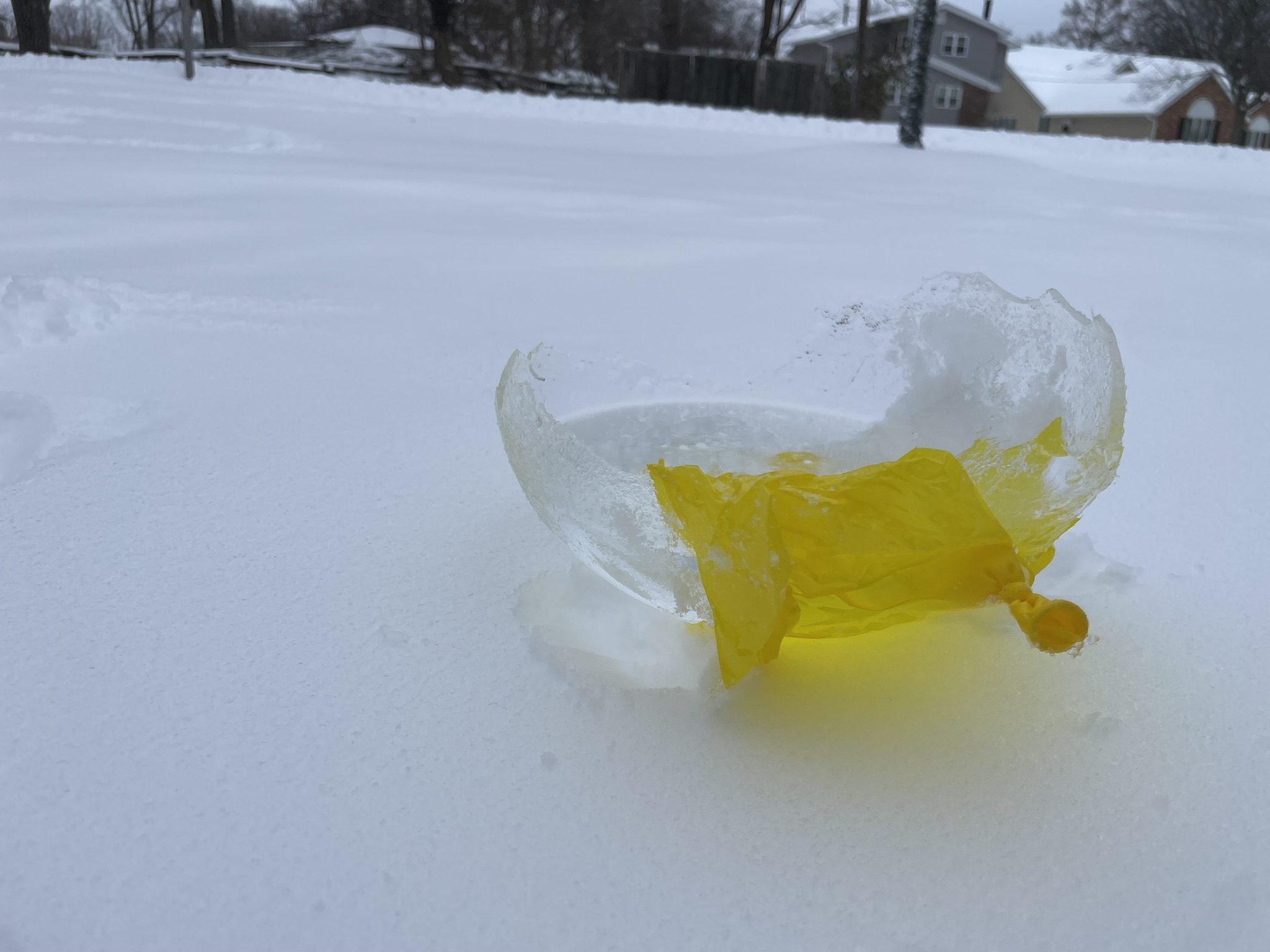
When we got back the kids had snow days so we went sledding again and started on an igloo mad out of frozen water balloons.. That didn’t pan out like we had hoped.
However, Thanks so an idea from Kassy Laborie, we did manage to salvage some of the failed water ballon bricks into some lovely ice luminaries!
Think about moments you could have celebrated but didn’t. How can you make celebration a regular part of your daily routine?
Thank You
Thanks for getting this far. That last point was again just how thankful I am to have such a warm and supportive family! The journey is always better when you travel with those you love! I do a word each year, and I started with thinking I would use Balance and then thought about Action, and then Balanced Action, but now I am thinking the way you find balanced action is via #NOVELTY … It is time travel after all. Novelty just might be the way forward on the quest for improvement. Be sure to check back in to see how it goes!
Hey, this is Dave. I am an Instructional Designer and learning experience advocate. I would like to discuss ways we as learning professionals can help learners on their journey. How Teachers, Corporate Training Facilitators, or Instructional Designers can “Get Out of the Way” of learners on their journey. This is not a new idea, but it is an important one.
Main Points
Use tools that help you stay in the learning game.
Write content that helps the reader improve on their own.
Sell your idea, don’t force it, Sell it!
Make the training about the real world, not academia or your world view
Serve the Reader
One way we can create instructional content that resonates with learners is to write better. Write simple statements that offer solutions and ideas that will help our learners. It sounds obvious when you say it, but somehow it helps to be reminded. In this article, I would like to pinpoint this concept, explore its meaning, and connect it to educational artifacts.
Expedited Audio Learning Tool
Here is an accidental win I had. Have you ever done a free trial of an app on your phone? Then you liked the app so much that you just never canceled it? It’s not something anyone would be proud of. I’ve had it happen at least once. OK, it was once because I do not spend money. It was the Headway app. This is not a paid advertisement for the Headway app… …but it should be!
My favorite app, I mean Blankest is good but Headway is BOSS!
I love the Headway app. It condenses books to their essence and then reads that summary to you, it also provides you a text summary. In this way, you can listen to 4 or 5 books while you say, mow the lawn. (Which is normally what I do while using the app.) I have
Listened to condensed versions of books I have never heard of
listened to condensed versions of books I have already read twice
discovered books I want to read and then went out and read or listened to them.
The topics are wide ranging. I have relistened to the 7 Habits by Stephen Covey. I learned about the Japanese Aesthetic of silence and somber inaction. I have trained my subconscious mind to generate creative solutions. I have gotten better at not arguing with my family. You tell the app what your interests are. Then it amazes you with content you never knew existed. It also reminds you of content you love.
Nobody Cares About You
The most useful book that I listened to on Headway is called:
This book falls into the category of: This is a book I like so much. I went out and read the original book.
I love the message of this short book:
Write clear and concise messages that help other people.
It really doesn’t get any better than that. People don’t care about you, they care about themselves. People like to read about interesting or novel things that will help them. Even if you write a story about yourself, you should not stroke your ego. Don’t make the book all about how you are the most amazing human ever in the history of the world. The focus is on the reader, how can you help them? After all humility is sexy. People want to be with other people who are humble.
Summary of the book, that I wrote on my iPhone while mowing the lawn.
As I mentioned I use this app while mowing the lawn. (OK, I took breaks from driving the riding lawnmower while I took these notes. I did not write these while I was mowing.)
This book will teach you how to write better
Delivery is critical, be proactive in finding ways to help others.
Always write in casual copy.
Never write in technical explanation. *Unless designing technical documentation or technical training.
People care about themselves. people do not care about you. So write for them. Write things that help them.
People respond to what is: new, novel, or helpful.
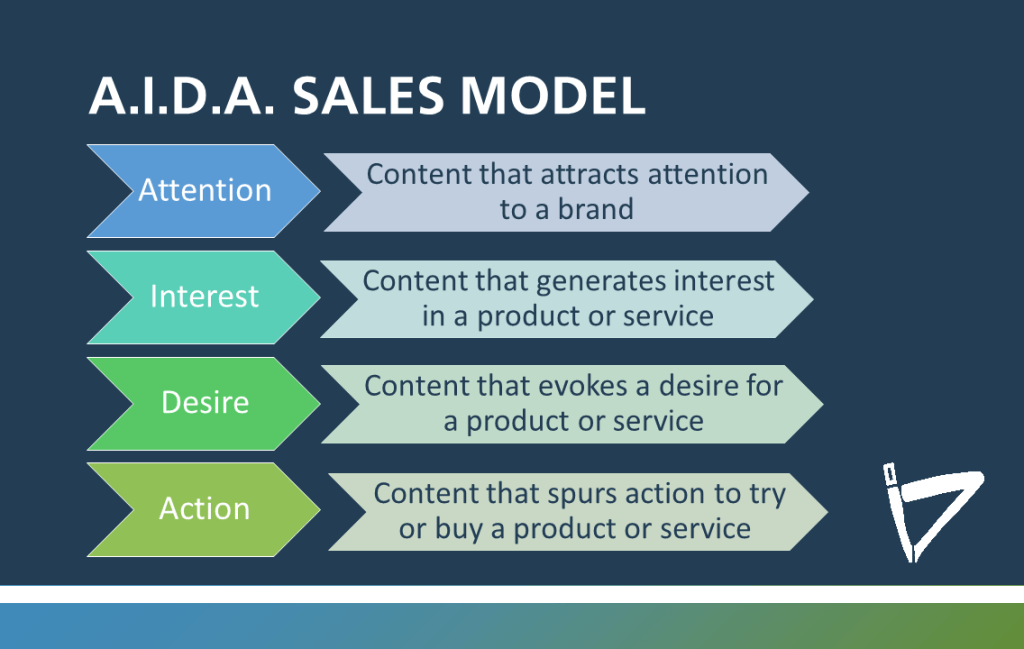
Use the AIDA sales Model:
Attention
Interest
Desire
Action
[End of the summary I wrote on my iPhone.]
So, we have a novice writer (yours truly). He is writing about being a better writer. He is also using a sales model to identify how to be a better educator. I want to drill down on the warning above about the tone of the writing. We should use casual copy to describe ideas to compose writing that is easy to read. Learning content should be straightforward. It should be easy to follow. It should use common words and not use complex language that the average person would not know.
This is because the reader (learner) will waste effort on figuring out what you mean. They will focus on looking up words or not really understanding instead of focusing on the message itself. In the Learning World, we discuss this using the phase, “Cognitive Load” but you already knew that… or you should have.
Definition of the A.I.D.A. sales model
Here is a definition of the AIDA sales model provided by Gemini AI from Google.com
The AIDA model is a marketing framework that describes the four stages a consumer goes through before making a purchase:
The acronym AIDA was developed by American businessman Elias St. Elmo Lewis in 1898 and has been in use ever since. Businesses can use the AIDA model to create effective sales pitches that resonate with prospects and turn them into customers by understanding and addressing each stage. For example, a salon might use the AIDA model to promote an opening by running a PR campaign before launch, offering free consultations, and hosting exclusive launch events.
[End of Gemini AI Summary from Google.com]
Oh, wow. Look at that AI writes really long sentences too. Now I don’t feel as bad!
Wait, is This Sales? Am I on the Wrong Vlog?
How can Learning and Development professionals apply this model to our work? After all, this is a sales model of all things. I would like to lean on my memory of writings by Daniel Pink here. I am evoking his book “To Sell Is Human.” This book was suggested to me long ago by a colleague. They saw that I just didn’t get it. I was being naive and idealistic in my approach to work.
I was acting as if it was all about me. Yet, counterintuitively I was being aloof. Self-deprecating humor is very useful when you are a corporate training facilitator, but it can go too far. I was not speaking well of myself all the time. I was chronically breaking myself down with self-deprecating humor. This wasn’t just humility, I started to believe it. I hypnotized myself into thinking that I wasn’t good enough.
It’s not about me, it never is. It is about us, working together for a better way. We have to sell ourselves to the people around us all the time. We have to sell the ideas we write about in our learning artifacts. Sales is good, it is healthy. It isn’t inherently sleezy, as long as you are being honest. So, let me rewrite this summary with an L&D bend:
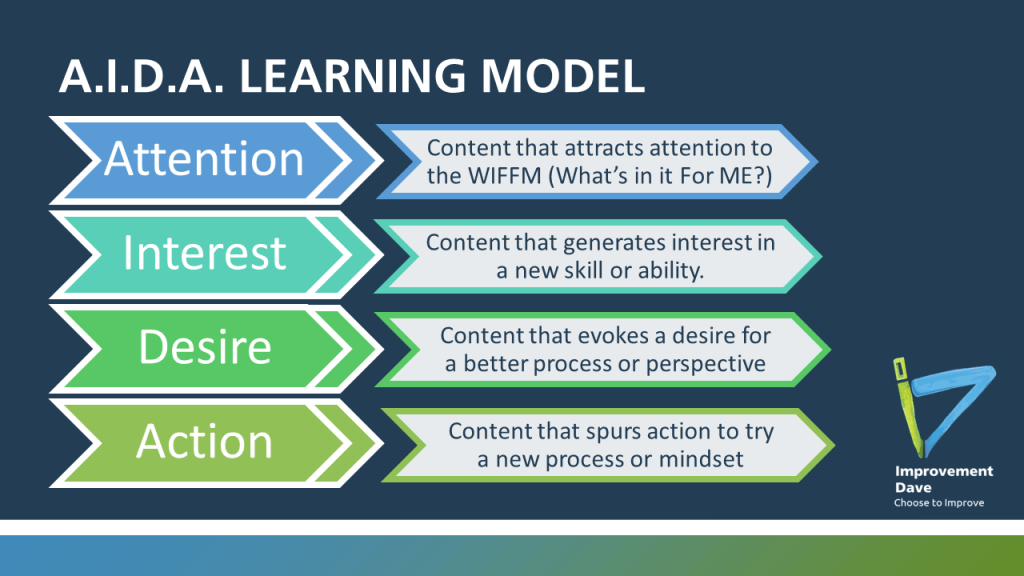
A.I.D.A. Learning Model
The AIDA Learning Model is not a real thing. I just made it up because this is my blog, and it just fits. A sales pitch is a perfect metaphor for well-written learning content.
It needs to be short and concise.
It needs to grab our attention.
It needs to tell us why we should care.
It needs to get us fired up to make a change.
If our learning content is not engaging learners in an experience. Then it is not a learning experience. Learners should feel encouraged to explore and think for themselves. Otherwise it might as well be compliance training on an LMS with a multiple-choice exam. That’s not learning, that is covering your legal ass-ets.
Another Short Book on Writing Better
I don’t think it is a coincidence that the other book I would like to mention here is also short. Writing better is about being concise. I already had a lot of classroom experience. I worked as a training facilitator at a call center in Bridgeton, MO. This experience was in front of audiences and classrooms. I didn’t have a lot of feedback (or feedback I was open to accepting) on my writing.
At one point, I had written an especially terrible email. One of the seasoned trainers handed me a small gray book. I will call him “Jim Simpson”, which is his real name. On the front, it said, ~~~ “The Little Gray Book” ~~~ Q. Wallace. I started reading it. It instantly pulled me in. It gave me ideas I implemented right away to improve the clarity of my writing. I can not recommend it enough to someone who wants to write better.
All aspects of our experience can help us better serve our learners. We better serve our learners and create learning content that truly connects with them. This happens when we give the best solution to potential problems. We should avoid just collecting cold facts or professing problems.
There is nothing wrong with using AI or ChatGPT and citing them accordingly. We should hesitate to send only what a search from these tools told us. These tools do not always write in the most straightforward tone. Nor do they always give the insider information we can get from partnering with an SME. If we share “real company culture” or “how they do it on the floor,” then we are helping the learners.
The learners will be more engaged. The more focused this solution is on their environment or job role the better this works. The more specific you can be on: what the solution IS the better the results. Share best practices. Explain how it works best. Provide tricks with “the system login”. Describe how it fails etc. The better the results. [This was the end of the post.]