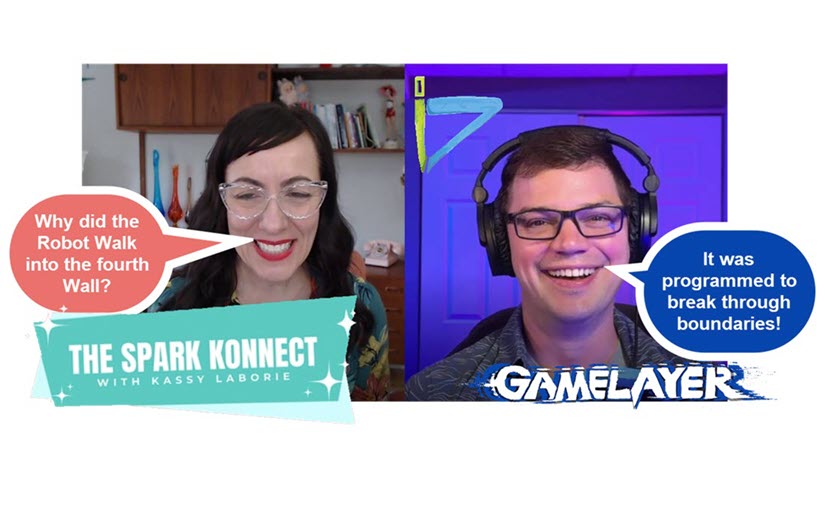
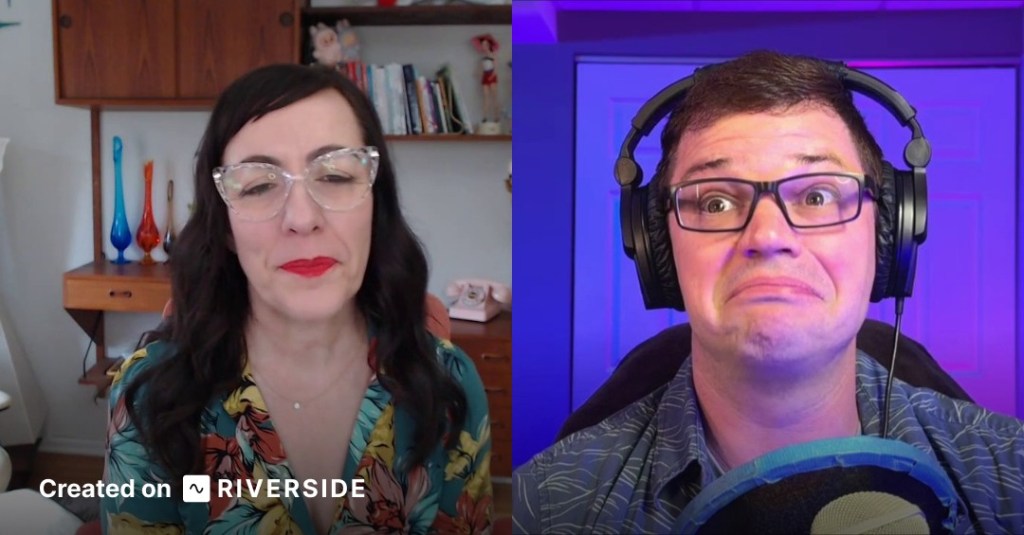
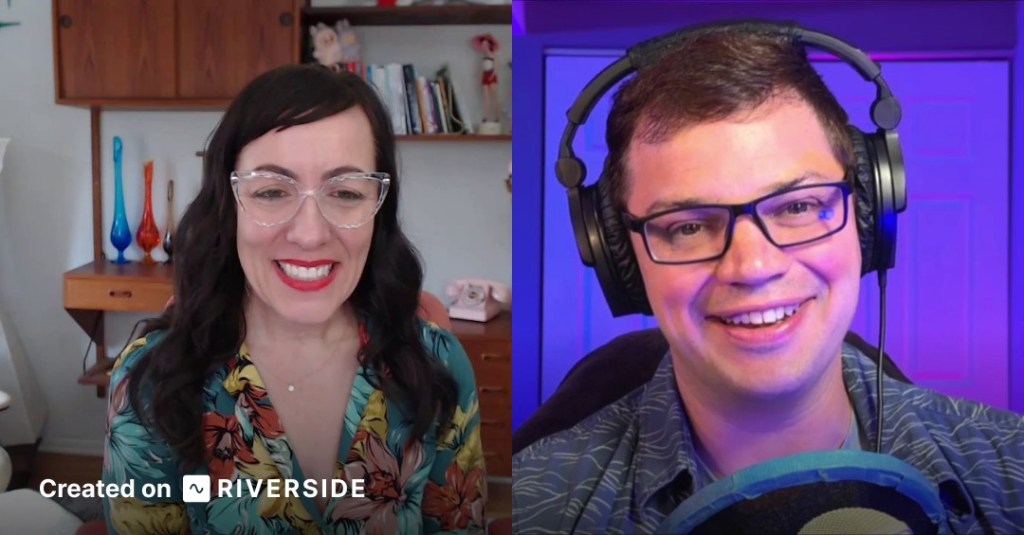
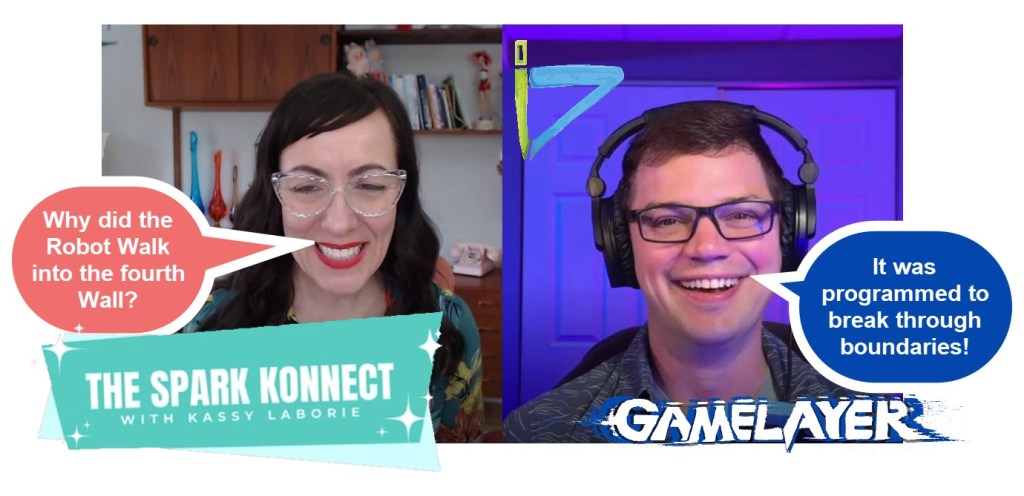
I just had a conversation with the illustriously genuine ✨Kassy LaBorie, on her podcast #TheSparkKonnect. It was a joy. The topic was: How to connect the arts to our work as training facilitators.
My main concern was “Which discipline of art creation should I focus on?”
My worldview is that creation is the highest form of worship. Which modality of art creation should I focus on? I just rolled with it and talked about the whole VENN diagram that is my artistic journey.
It was better than therapy!
The Spark Konnect Podcast can be accessed here.
https://podcasts.apple.com/us/podcast/the-spark-konnect/id1847731623
The episode is not live as of the publish date of this blog post.
Attention
In the conversation, one quote kept echoing:
“Attention is love in action.”
-John O’Donohue
As facilitators in Learning & Development, that should challenge us.
Because if attention is love… then what we choose to focus on in a classroom, a workshop, or a training session is what we’re actively giving life to.
So the real question becomes:
What are we watering?

Perspective
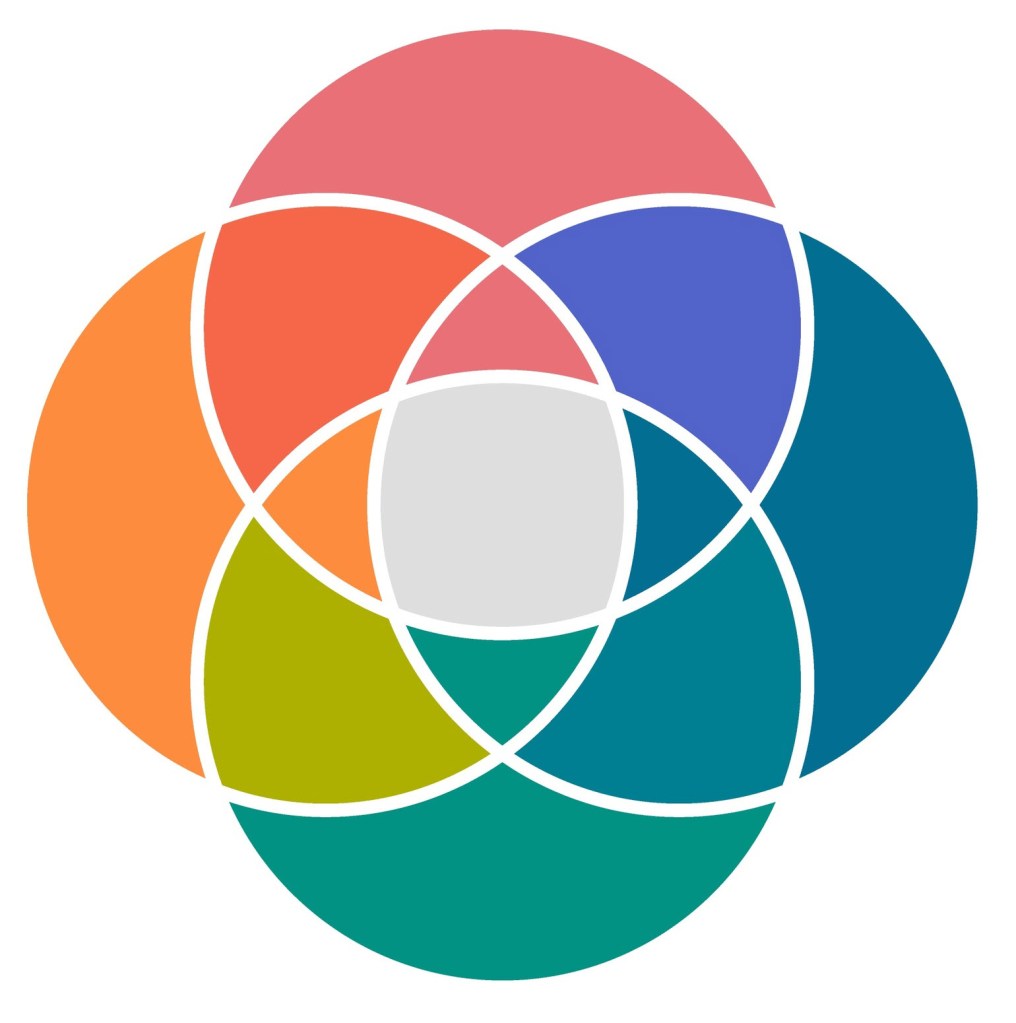
I am a Venn diagram, and it is my experience that fills and colours the circles that make the mosaic that is me.
In Learning & Development, we often act like we’re responsible for transferring knowledge.
But the deeper truth is:
We’re shaping environments where identity, perspective, and possibility are constantly being formed.
Every learner walks into the room with a completely different “Venn diagram” of experience:
- Their culture
- Their language
- Their experiences
- Their beliefs about what learning even is
And here’s the hard part:
They don’t live in the same world we do.
Not metaphorically—literally.
Language shapes thought. Experience shapes belief. Environment shapes identity.
I’ve seen this firsthand. Living abroad, speaking a different language, immersing myself in a different culture—I didn’t just learn new things…
I became someone new.
SIDEBAR: Do you remember that time Kassy was on GAMELAYER Radio? I do!
Right or Right?
So what does that mean for facilitation?
It means we have to let go of the idea that:
- There’s one “right” way to learn
- Our content is the center of the experience
- Our learners should see the world the way we do
Instead, facilitation becomes something else entirely:
Creating space.
Holding attention.
Inviting exploration.
Not prescribing it.
Let’s Talk some REAL SH#T.
It’s heart of the matter time, BEACH.
There’s a concept in art and philosophy that resonates here: wabi-sabi — the beauty of imperfection, of things that are real, worn, and authentic.
Great facilitation is the same.
It’s not polished slides or perfect delivery.
It’s:
- The moment a learner reframes their thinking
- The pause that lets someone process
- The question that shifts perspective
- The active act of LISTENING
It’s real. It’s imperfect. And it’s human.
SIDEBAR: Check out when Kassy talked about this on GAMELAYER Radio!
Role of the Facilitator of Learning
So maybe the role of a facilitator isn’t to be the expert in the room.
Maybe it’s to be something closer to…
An architect of attention.
Because wherever attention goes:
- Energy flows
- Beliefs form
- Learning happens
And ultimately…
People grow.
So I’ll ask again:
What are you giving attention to?
What are you helping your learners see?
And what kind of growth are you making possible because of it?
Most Recent GAMELAYER.FM Insta Reels!
4 REALZ, BEACH!