The Role of the Facilitator: Attention as Love in Action

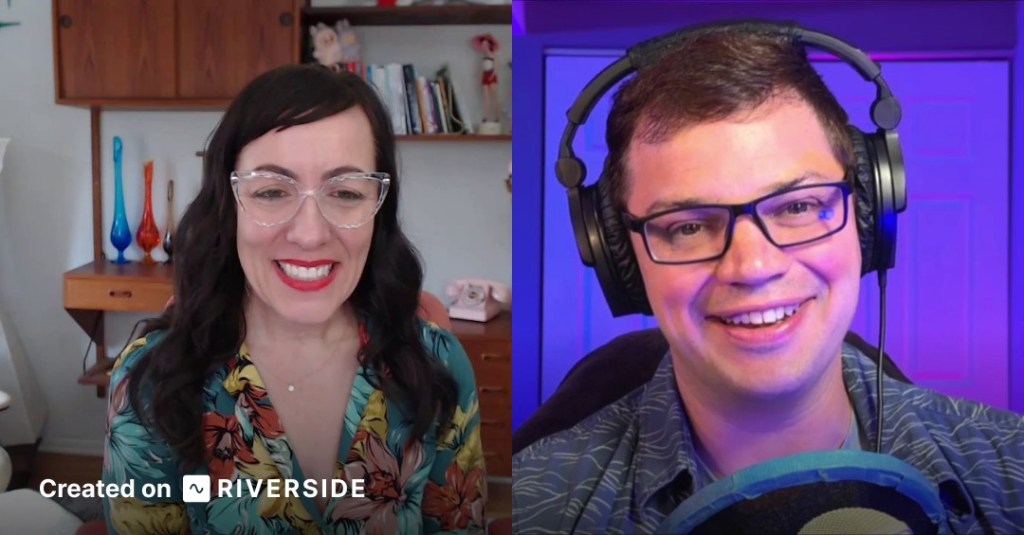
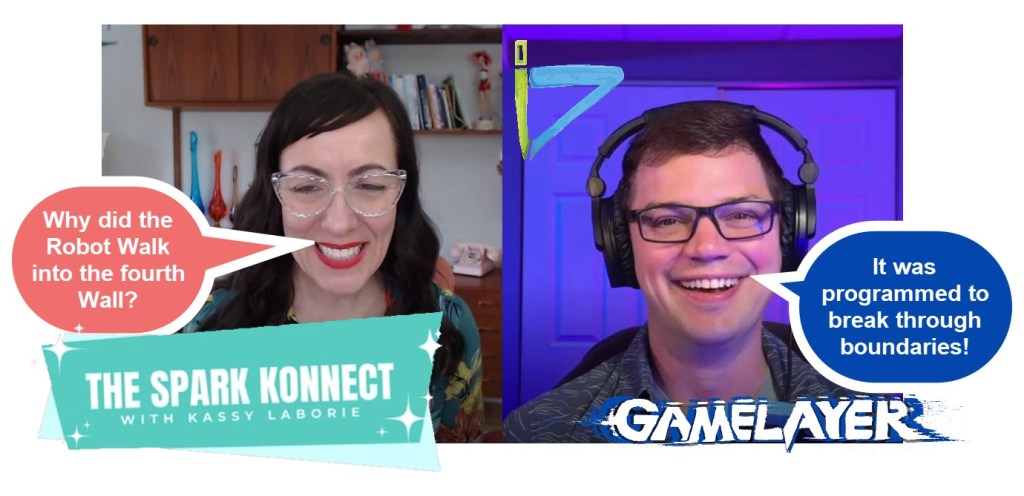
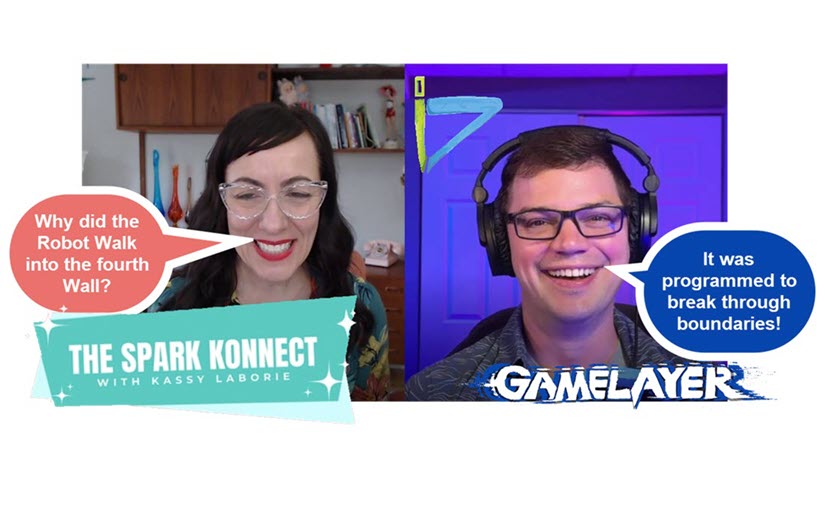
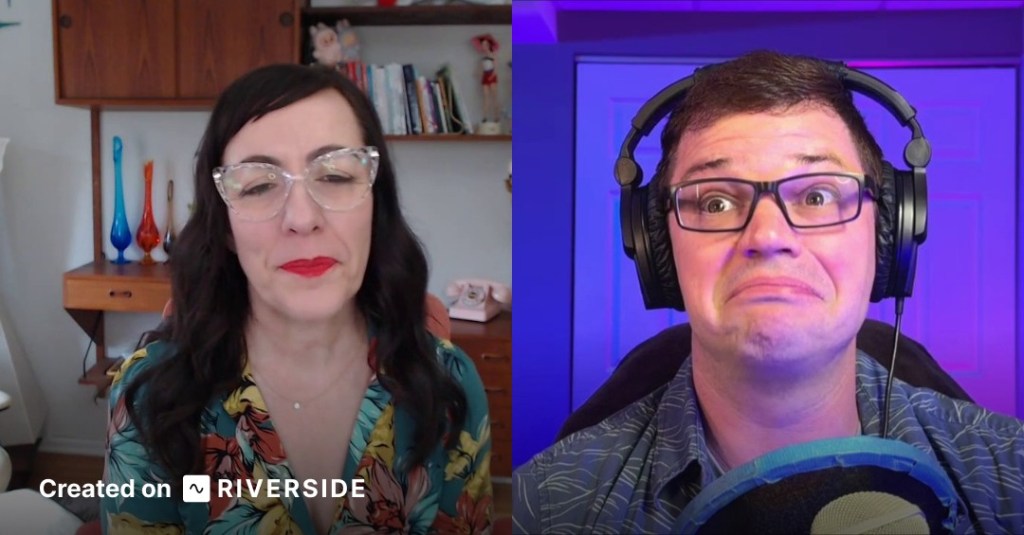
I just had a conversation with the illustriously genuine ✨Kassy LaBorie, on her podcast #TheSparkKonnect. It was a joy. The topic was: How to connect the arts to our work as training facilitators.

My main concern was “Which discipline of art creation should I focus on?”
My worldview is that creation is the highest form of worship. Which modality of art creation should I focus on? I just rolled with it and talked about the whole VENN diagram that is my artistic journey.
It was better than therapy!

The Spark Konnect Podcast can be accessed here.
https://podcasts.apple.com/us/podcast/the-spark-konnect/id1847731623

The episode is not live as of the publish date of this blog post.

In the conversation, one quote kept echoing:

“Attention is love in action.”

-John O’Donohue

As facilitators in Learning & Development, that should challenge us.

Because if attention is love… then what we choose to focus on in a classroom, a workshop, or a training session is what we’re actively giving life to.

So the real question becomes:
What are we watering?

I am a Venn diagram, and it is my experience that fills and colours the circles that make the mosaic that is me.

In Learning & Development, we often act like we’re responsible for transferring knowledge.

But the deeper truth is:
We’re shaping environments where identity, perspective, and possibility are constantly being formed.

Every learner walks into the room with a completely different “Venn diagram” of experience:

  • Their culture
  • Their language
  • Their experiences
  • Their beliefs about what learning even is

VENN

And here’s the hard part:
They don’t live in the same world we do.

Not metaphorically—literally.

Language shapes thought. Experience shapes belief. Environment shapes identity.

I’ve seen this firsthand. Living abroad, speaking a different language, immersing myself in a different culture—I didn’t just learn new things…

I became someone new.

SIDEBAR: Do you remember that time Kassy was on GAMELAYER Radio? I do!

So what does that mean for facilitation?

It means we have to let go of the idea that:

  • There’s one “right” way to learn
  • Our content is the center of the experience
  • Our learners should see the world the way we do

Instead, facilitation becomes something else entirely:

Creating space.
Holding attention.
Inviting exploration.

Not prescribing it.
“Dynamic Caption”

It’s heart of the matter time, BEACH.

There’s a concept in art and philosophy that resonates here: wabi-sabi — the beauty of imperfection, of things that are real, worn, and authentic.

Great facilitation is the same.

It’s not polished slides or perfect delivery.

It’s:

  • The moment a learner reframes their thinking
  • The pause that lets someone process
  • The question that shifts perspective
  • The active act of LISTENING

It’s real. It’s imperfect. And it’s human.

SIDEBAR: Check out when Kassy talked about this on GAMELAYER Radio!

So maybe the role of a facilitator isn’t to be the expert in the room.

Maybe it’s to be something closer to…

An architect of attention.

Because wherever attention goes:

  • Energy flows
  • Beliefs form
  • Learning happens

And ultimately…

People grow.
4 REALZ, BEACH!

Exercise is a Good Way to Generate Creative Ideas

Cycling through the woods is relaxing and enjoyable

So even though this was on October 10th, and my Cycling More Consistently in September Oddesy is over, I still recorded some video footage. In this episode, I make a recording while riding and then nearly flip my bike into a hole in the ground. I comment on how I need to get a better setup if I want to keep recording rides.

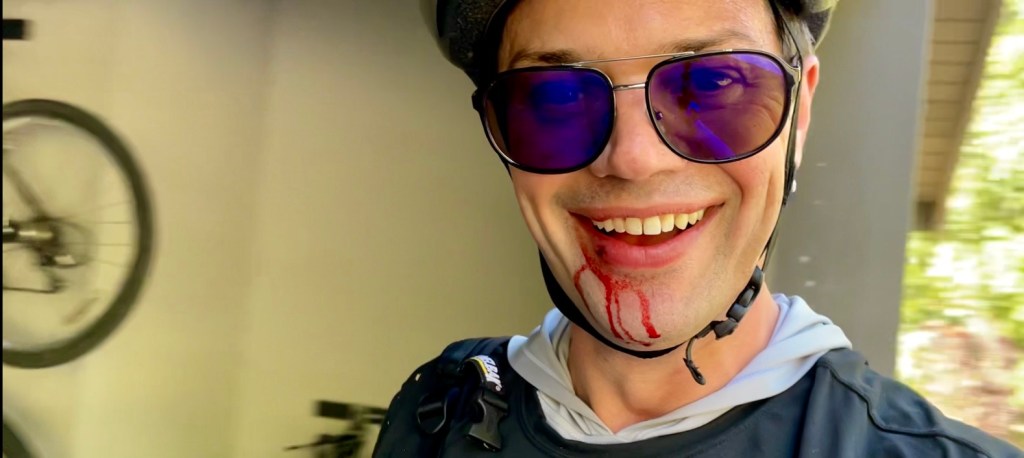
Then I turn onto the street, drive down a hill flip my bike and bust open my lip. I was holding the camera with my right hand so the sun would be on my face, and my left hand was on the bike and controlling only the front brakes. I noticed I was going a bit too fast down a hill and so I squeezed the brakes on my new bike. I have disc brakes now, not the old caliper brakes with the pads. These disc brakes are way, more responsive, and I knew that, but I wasn’t aware I was just slamming the front brake.

At any rate, this was a good lesson to learn. I need to focus on my safety and I am glad I only busted open my lip out in an open space and didn’t break a bone somewhere in the woods.

There is a biking school that has been marketing to me on Facebook and the advertisements are good. I have looked into attending classes but I can’t justify spending money on learning this when I am a learning and development professional. I plan to locate some good learning content on YouTube and double-check my LMS at work. As a long-term goal, I plan to volunteer at NICA (National Interscholastic Cycling Association). This program offers me an opportunity to become a coach in training in a local team of student learners, then when I graduate I can lead a pack of cyclist students and perhaps include my kids in the team if they are game.

Check out the video to see me bust open my lip and make video footage in a state of shock! LOL!

This was easy. The bootlegger’s trail is a quick 5-minute ride from my house. Easily the second-ranked off-road trail in the Saint Louis area and is right next to my house. That’s lucky!

The Bootlegger’s Run is a 4.7-mile trail through the woods of the upper level of Creve Coeur Park. All Trails has a lot of comments that it is not the best trail for hiking because there are a lot of Mountain Bikers. When I ran there the bikes didn’t bother me but I guess I am a walker and a rider.

https://www.alltrails.com/trail/us/missouri/bootleggers-run

One thing I have liked about these solo rides is they give my subconscious mind time to speak up. I have gotten several ideas while on these rides. Many of them are about the Blog or my day job as an Instructional Designer. One that popped up during this ride is especially interesting. It pulls on my background as an actor and an English as a Second Language teacher. I did a lot of theater in high school and received my BA in Theater Arts. While getting that degree I also studied Japanese using a curriculum called Japanese, the Spoken Language (Authors: Eleanor Jorden, Mari Noda) developed by the US government for spies and the like. It was a great language learning platform because it systematically used simple dialogues to reinforce crucial grammatical structures. You relearned how to think and build thoughts according to the Japanese grammar system. (*I used this concept a lot when I worked in Thailand for 7 lucky years teaching English as a Second language ESL.)

In this JSL curriculum, the learner looks a small clumps of very useful conversations and memorizes them one line at a time. These are backed up with well-written explanations of the grammar being introduced. Then you listen to recordings of native speakers saying these lines. After that you work in class and the teacher sets up given circumstances that support the same language (notice the teacher term I used there?) Once the scene is set the students take turns acting out the dialogue with the teacher. The benefit is you get to hear the dialogue multiple times in class and you get to participate. My basic conversational Japanese is not bad to this day, if I had pursued it I would have been set up for success. Instead, I decided to start over and learn Thai from scratch while living and working in Thailand.

So, my idea would work at this point in the curriculum. I came up with the concept to call “Play Right”. At this point in the language learning the students would take the simple sentences that we learned in class and each week, create a video of them speaking the dialogue with themselves or other students in a real setting. Throughout the class, the students could build a video scene of their achievements. This could even become an online resume of sorts the showcase their language skills. Very useful in a country like Thailand where tourism is a large part of the national income. With English being the universal language, That is one of the most useful languages to support tourists.

Another thought that I had that brought more of the theater into the idea was using simple plays as the dialogue. Like a fun play by David Ives. This part may maybe more of a useless pipe dream, but I think it could open the door to more creative results. The Tourist application would be more useful for a resume, but using actual plays would be more valuable for artistic or aesthetic reasons, which is what I am more interested in.

Polo & Pan – Ani Kuni (CC)

Music by To Hot to Play, Lobo Loco, Free Music Archive (CC)